
Reviewed · UBUD
Transforming Plastic Waste A Hands On Recycling Experience
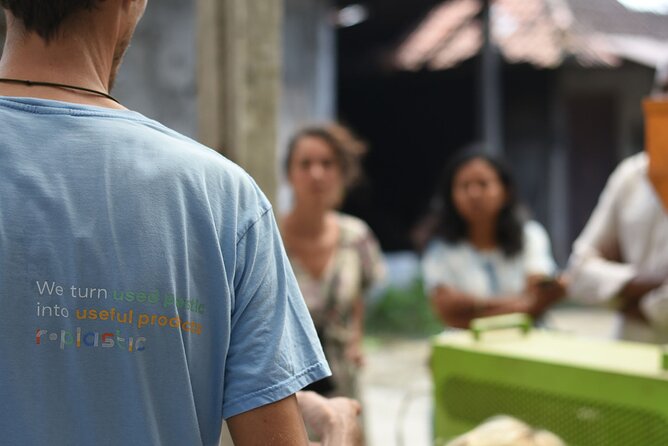
The most interesting part of this Ubud experience is that you do not just hear about recycling. You step into a working studio, sort plastic bottle caps, make your own recycled artwork, and watch machines turn waste into useful products. The visit gives Bali’s plastic problem a human scale.
I like the practical work and the clear explanations from Martijn Huizing and his team. I also like that the experience ends with a handmade keychain made from Bali’s recycled plastic, not just a talk and a few photographs. The main drawback is that this is a small studio visit, not a broad sightseeing tour, and there is no food or drink available, so bring your own water bottle.
Key points at a glance
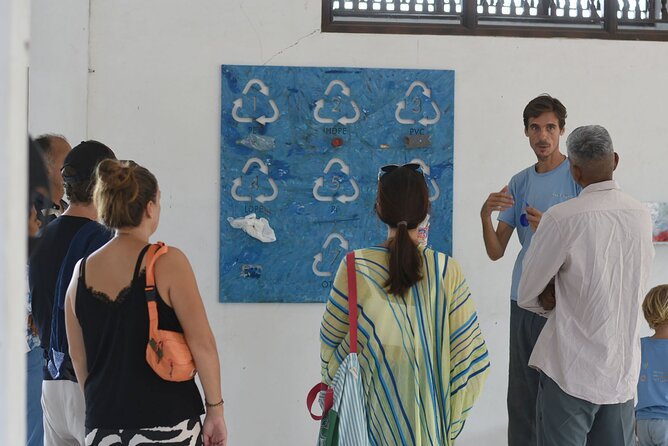
- Sort plastic by color and type: You handle bottle caps and learn why different plastics cannot simply be mixed together.
- Watch a CNC machine work: The studio demonstrates how recycled plastic becomes items such as surfboard racks and furniture.
- Make something yourself: Your hands-on artwork helps turn an environmental lesson into a personal memory.
- Meet the people behind the work: Martijn Huizing explains Bali’s waste problem, small-scale recycling, and product design.
- Good for families and school-age children: The activities are simple enough for children but useful for adults who want a clearer view of recycling.
- Plan for 90 minutes near Ubud: The meeting point is in Kemenuh, with parking available and the activity ending where it starts.
Entering the r•Plastic studio near Ubud
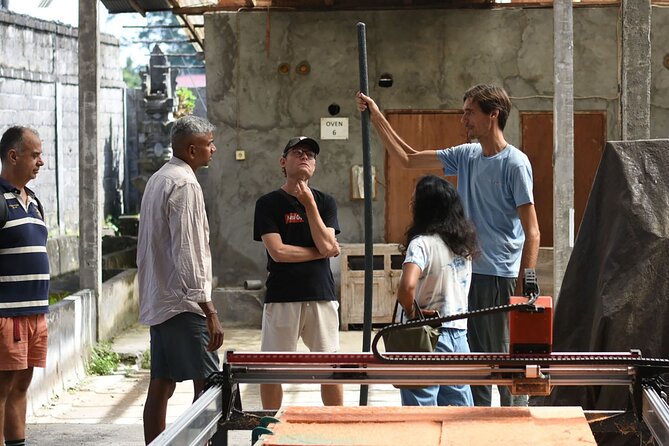
The experience begins at F73J+CFR on Jl. Ir. Sutami in Kemenuh, Sukawati, in the Gianyar area of Bali. This is not a sightseeing stop where you wander through a finished exhibition. It is a working recycling studio, so the focus is on process, tools, materials, and the decisions needed to give discarded plastic another use.
That setting matters. A polished display can make recycling look simple. Here, you see that the work starts with basic tasks such as identifying, sorting, and cleaning suitable material. You also get a closer look at the practical limits of recycling, including the fact that different plastic types need different handling.
The visit lasts about one hour and 30 minutes. That is a useful length for a morning or afternoon plan in the Ubud area. It is long enough to include an introduction, studio tour, machine demonstrations, and hands-on work without taking over your day.
The group can include up to 20 people. A smaller group may allow more time for questions and individual help, while a full group could feel busier during the practical activities. The experience is offered with a mobile ticket, and confirmation is provided when you book.
If you have another day in Ubud, these come up a lot:
- All-Inclusive Ubud Private Tour
★ 5.0 · 14,344 reviews - Best of Ubud Full-Day Tour with Jungle Swing
★ 5.0 · 8,571 reviews - Ubud: Monkey Forest, Jungle Swing, Rice Terrace, and Water Temple
★ 5.0 · 7,160 reviews
Martijn’s introduction to Bali’s plastic problem
The opening talk covers the host’s own path into sustainability and product design, along with the wider waste problems facing Bali. Martijn Huizing presents recycling as practical work rather than a distant environmental slogan.
You learn about the seven main types of plastic and why the recycling symbol alone does not mean every piece can be processed in the same way. That point is especially helpful because many people, including me, tend to place all plastic into one mental category. The studio shows why sorting is one of the first important steps.
The conversation also looks at small-scale, decentralized recycling. Instead of treating waste as something that must always travel to a large industrial plant, r•Plastic focuses on what can be done locally with self-built machines and thoughtful product design.
This part may be especially useful if you want context before handling the materials. It explains why bottle caps and other plastic scraps can have value, but also why recycling takes time, care, energy, and a market for the finished goods.
Sorting bottle caps by color and type
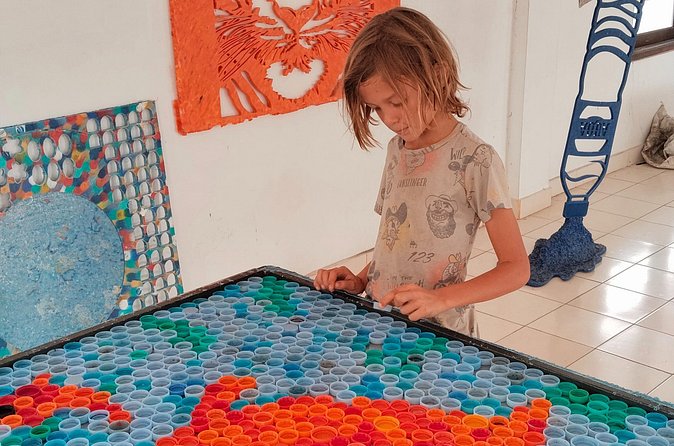
The hands-on portion begins with bottle caps. You sort them by color and plastic type, a simple activity that quickly shows how much work comes before any new object can be made.
For children, this is an easy way to turn an abstract topic into a clear task. They can see that a pile of mixed caps is not ready for a machine. Adults get a practical reminder that recycling bins do not solve every problem on their own.
I like this part because it avoids a common weakness of environmental tours: too much talking and not enough doing. You are asked to make decisions with the material in front of you. The activity also gives the group something to work on together, which can make the session more social.
The limitation is that the sorting is educational rather than a full production shift. You should not expect to process a large amount of waste or learn every technical stage in detail during a 90-minute visit. The value is in understanding the first step and seeing how careful preparation affects the final product.
Making recycled artwork with your own hands
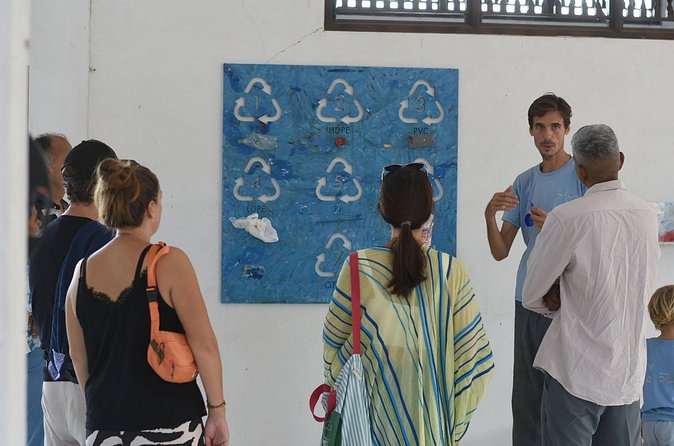
After sorting, you create artwork from recycled plastic. The exact result will depend on the materials and the activity being used on the day, but the purpose is clear: you are not only looking at objects made from waste, you are helping shape one.
This is one of the stronger parts of the experience for families. Younger children can take part in a creative task, while older children and adults can think about design, color, and the difference between reusing an item and processing it into a new form.
The studio displays creative pieces made from recycled plastic, giving you a chance to see how a material often treated as rubbish can become decorative or useful. That change in viewpoint is important. Recycling is not only about disposal. It is also about asking what a material could become before throwing it away.
Do not expect a large souvenir or a long craft workshop. The activity is one part of a compact educational visit. If you want a serious design class, this may feel brief. If you want a practical introduction that keeps children and adults involved, the timing works well.
A completely different kind of day out from Ubud:
- Best of Ubud 1-Day Private Tour
★ 5.0 · 4,451 reviews - Bali: Ubud Palace Legong Dance Show Ticket
★ 4.4 · 3,979 reviews - Uluwatu Sunset, Kecak Dance, and Dinner Jimbaran Beach
★ 5.0 · 3,681 reviews - Tanah Lot and North Bali Tour: Scenic Journey
★ 5.0 · 3,620 reviews
Seeing the self-built machines in action
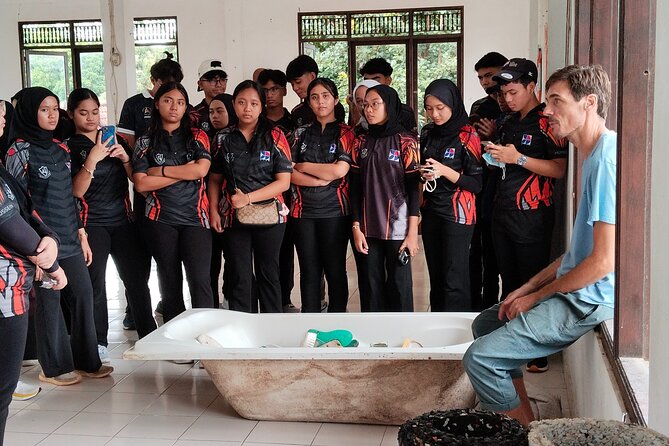
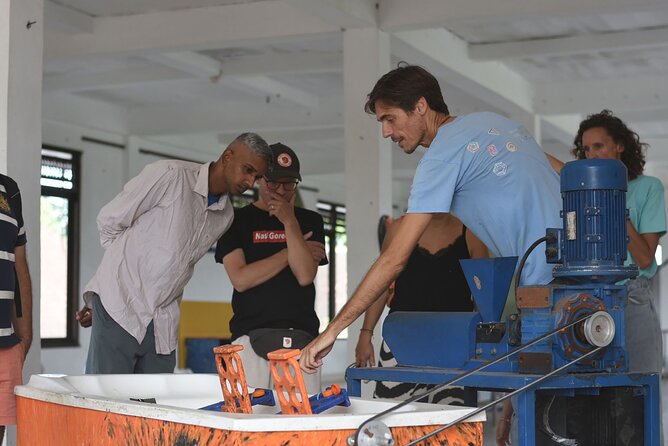
The machine demonstrations show how plastic moves from sorted material toward a new product. The studio uses self-built recycling equipment, which gives the visit a more personal feel than a presentation about a distant factory.
A highlight is the CNC machine demonstration. CNC equipment can cut shaped designs from plastic, and the studio uses it to create products such as surfboard racks and furniture. Watching that process helps connect the earlier sorting work with a finished object.
This is also where the product-design side of r•Plastic becomes clear. The goal is not simply to melt plastic and store it in a different shape. The material must become something useful enough that people want to buy and use it.
There is a fair amount to take in, so listen for the link between material choice and product design. A plastic object may have a second life only if the result is strong, attractive, and suited to a real purpose. The CNC demonstration makes that idea easy to grasp.
The equipment is part of an operating studio, not a theme-park attraction. You will see demonstrations rather than operate every machine yourself. That is sensible from a safety point of view, but it means the most hands-on work is sorting and creating artwork.
The recycled keychain and what you take home
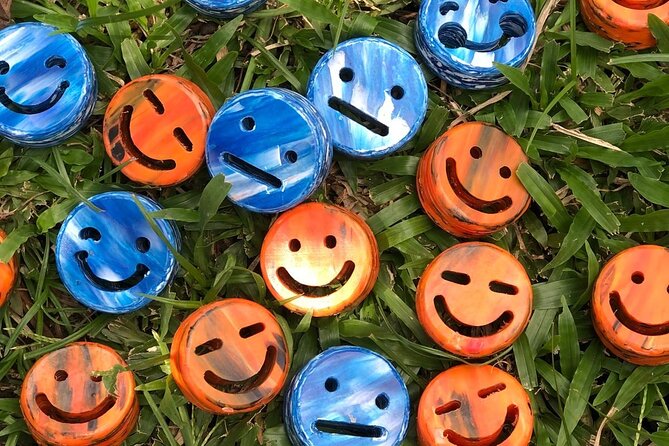
At the end, you receive a handmade keychain made from Bali’s recycled plastic. It is a small souvenir, but it works well because it links the object to the lesson.
You can point to the keychain and remember the steps behind it: sorting material, choosing plastic types, working with heat or machinery, and designing a useful item. It is more meaningful than a generic souvenir because the studio made it from the same kind of waste discussed during the visit.
You also have time for questions. This is a good chance to ask about plastic types, the machines, Bali’s waste challenges, or the practical side of making products from recycled material. Martijn is described as an enthusiastic host who explains the process clearly, and the session has also been used successfully with school groups and families.
If you are visiting with children, let them ask the questions. The format works well when the discussion becomes a conversation instead of a formal lecture. Children can ask direct questions about where plastic goes, how machines work, and why sorting matters.
Why families and school groups fit the format
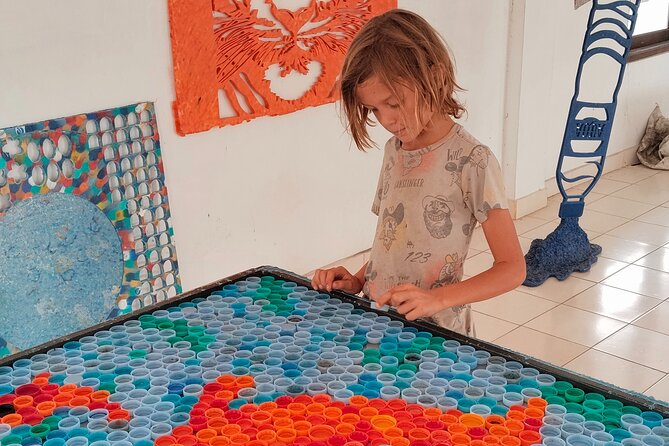
The activity has been used with children from about seven years old and with older children, including a visit by a 12-year-old. School groups have learned about the seven plastic types, sorted bottle caps, and discussed how waste can become a useful object.
That makes this a strong choice for a family looking for something more thoughtful than a standard attraction. Children get movement, sorting, design, and machines. Adults get a grounded explanation of Bali’s waste issues and the challenges of small-scale recycling.
The experience also suits adults traveling alone or with friends if you have a real interest in sustainability, materials, or product design. You do not need specialist knowledge. The activities begin with familiar objects and build from there.
It may be less suitable if you want a relaxed scenic outing, a food-based activity, or a long craft session. There are no meals or drinks available, and the focus stays firmly on plastic and recycling. Bring your own water bottle. You can refill it for free, which fits the studio’s effort to avoid single-use plastic bottles.
Service animals are allowed, and most people can take part. The supplied information does not describe every physical feature of the studio, so contact the provider if you have specific mobility needs.
Is $15.06 a fair price?
At $15.06 per person, this experience offers good value if you want participation and explanation rather than a quick look at finished products. Your fee covers a 90-minute visit, the introduction, studio access, machine demonstrations, practical activities, question time, and a recycled keychain.
The value is strongest for families, school-age children, and anyone who wants to understand how recycling works in real terms. You are paying for access to a working educational space and for the host’s time, not for transport, a meal, or a large collection of attractions.
You should also account for the location. The meeting point is in Kemenuh near Ubud, and the activity does not include transportation. Parking is available, which helps if you are driving, but you need to arrange your own way there.
The cost is modest compared with many organized activities in Bali. Still, the right comparison is not with a full-day tour. Compare it with a short workshop or educational visit. If you value a personal activity with a clear environmental purpose, the price is sensible. If you want a major attraction with extensive facilities, you may find the visit too focused.
Practical details before you book
The activity begins and ends at the same meeting point on Jl. Ir. Sutami, Kemenuh. Check the location carefully before setting out, especially if you are coming from central Ubud or combining this with another booking.
Bring a refillable water bottle. The information says water can be topped up for free, but bottled water is not available because the studio avoids single-use plastic. No lunch or other drinks are provided.
The experience is generally accessible to most people, and service animals are accepted. The maximum group size is 20, so ask about the expected group size if personal attention is important to you.
Free cancellation is available up to 24 hours before the start time for a full refund. Changes or cancellations made less than 24 hours ahead are not accepted for a refund. The activity needs good weather and a minimum number of participants. If the provider cancels for either reason, you can choose another date or experience, or receive a full refund.
Because the activity is often booked about 23 days ahead, booking early is sensible if your Bali dates are fixed. That is particularly useful for families and school-style groups.
Should you book this Ubud recycling experience?
Book it if you want to see a working side of Bali that most sightseeing plans skip. The combination of sorting, artwork, machine demonstrations, and a recycled keychain gives you something to do and something to think about.
I would especially recommend it to families with school-age children, adults interested in sustainability, and anyone who prefers a small educational activity over another photo stop. Martijn Huizing and his team make the subject approachable, while the machines and finished products keep the visit grounded in real work.
Skip it if you are looking for food, scenery, transport from your hotel, or a large attraction with many separate exhibits. This is a focused 90-minute studio visit.
For $15.06, it is a worthwhile addition to an Ubud itinerary when you want a practical lesson with a local environmental purpose. You leave with a small handmade object, but the more useful souvenir is the habit of looking at plastic as a material with a life before and after the bin.
FAQ
Where does the recycling experience take place?
It takes place at r•Plastic in Bali, at F73J+CFR, Jl. Ir. Sutami, Kemenuh, Kec. Sukawati, Kabupaten Gianyar, Bali 80582, Indonesia.
How long does the activity last?
The experience lasts about one hour and 30 minutes.
Where does the activity finish?
It ends back at the same meeting point where it begins.
How much does the experience cost?
The listed price is $15.06 per person.
What will I do during the visit?
You will hear an introduction to Bali’s plastic problem, learn about plastic types, tour the studio, watch machine demonstrations, sort bottle caps, create recycled artwork, and take part in a question session.
Will I see a CNC machine?
Yes. You will watch the CNC machine cut recycled plastic into products such as surfboard racks and furniture.
Do I receive a souvenir?
Yes. You take home a handmade keychain made from Bali’s recycled plastic.
Is food provided?
No. Lunch and other food or drinks are not included. You can refill your own water bottle for free.
Is parking available?
Yes. Parking is available at the meeting point.
What is the cancellation policy?
You can cancel up to 24 hours before the start time for a full refund. Cancellations or changes made less than 24 hours before the experience are not accepted for a refund. If poor weather or an insufficient number of participants causes the provider to cancel, you will be offered another date or experience, or a full refund.
Newly added Ubud trips
- authentic Balinese organic cooking class in Ubud★ 5.0 · 4 reviews
- Farm-to-Table Balinese Cooking Experience★ 4.0 · 3 reviews
- Sunrise Jeep Tour Mount Batur Kintamani Bali★ 5.0 · 24 reviews
- coconut wine and coffee safary tour★ 5.0 · 16 reviews
- Nungnung Waterfall,Jatiluwih Heritage UNESCO and Bedugul Tour★ 5.0 · 5 reviews
- Bali Amazing Cycling Tour★ 5.0 · 4 reviews
- Authentic Balinese Cooking Class with Jewelry Making Class★ 5.0 · 3 reviews
- Bali Rural Village Bike★ 5.0 · 10 reviews