
Reviewed · UBUD CYCLING TOURS
Electric Cycling Tour of Ubud with Free Hotel Transfer and Lunch
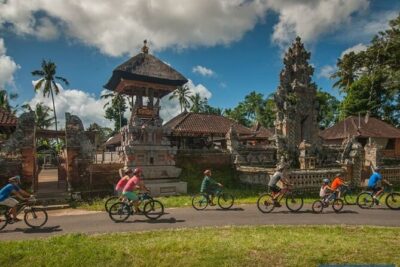
The best part of this tour is simple: an electric bike gets you beyond Ubud’s crowded center and into rice fields, village lanes, temples, and plantation country without turning the hills into a fitness test. You pedal as much or as little as you like, while guides such as Gusti, Gina, Putu, and Anilya help the group handle traffic and narrow paths.
I like the combination of scenery and local context. You are not just stopping for a quick terrace photo, but also hearing about Balinese farming, temple customs, family compounds, and everyday life. I also like the practical setup: hotel pickup in central Ubud, a helmet, bottled water, an air-conditioned minivan, and lunch after the morning tour or dinner after the afternoon tour.
The main caution is road safety. Part of the ride uses public roads with motorcycles, cars, and pedestrians, and the rice-field paths can be narrow, rough, and bumpy. You should already be comfortable on a bicycle, even though the e-bike makes the hills much easier.
Key points to know before booking
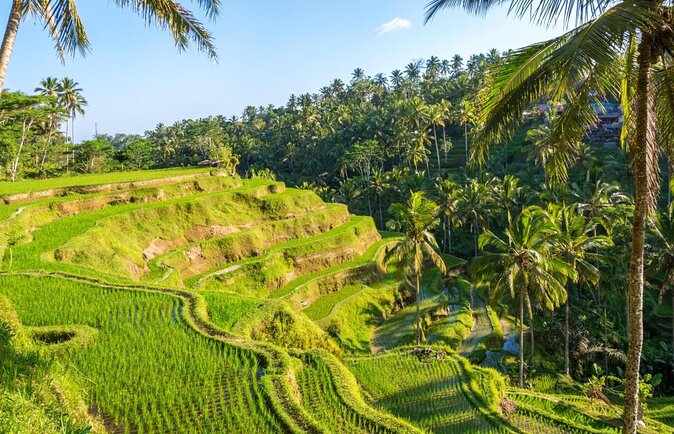
- Tegalalang is the scenic centerpiece: Allow time for photos and views across the stepped rice terraces.
- The e-bike reduces the strain: You control how much you pedal, which helps in Ubud’s heat and hilly countryside.
- Guides manage the roads: Guides ride at the front and back, keep the group together, and help at crossings.
- The route mixes quiet lanes and traffic: You get a more authentic look at local life, but this is not a fully off-road ride.
- The plantation stop needs thought: Coffee tasting is included in some versions, but the civet conditions may trouble animal-conscious visitors.
- The price includes useful extras: At $41 per person, you get the bike, helmet, guide, water, transport, and a meal.
Why an e-bike is a smart way to see Ubud
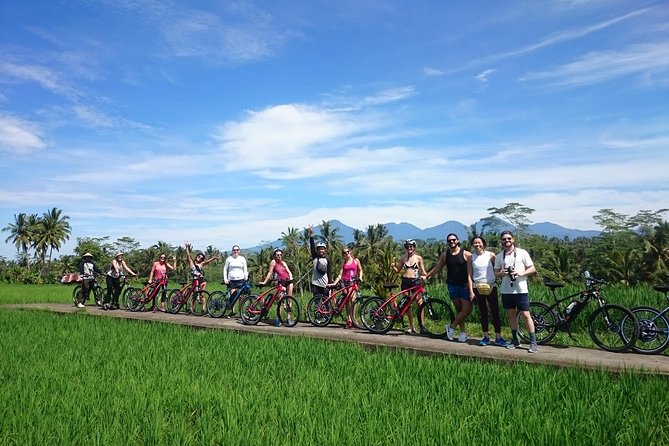
Ubud’s center is easy to reach on foot, but its surrounding countryside is another matter. Rice terraces sit beyond the main streets, and the route includes hills, warm weather, and uneven lanes. A regular bicycle can make this a sweaty outing. The electric bicycle lets you choose your effort.
You still need to pedal and steer. The motor is assistance, not a chauffeur. That matters on narrow paths, where you need good balance and steady control. Several guides offer a quick explanation of the bike before departure, and the bikes are described as being in good condition with comfortable seats.
I would not book this if you have not ridden a bicycle for years and feel unsteady in traffic. One rider found the public roads more intimidating than expected, while another noted that the group rode on narrow paths between rice paddies. The e-bike solves the hills, not the need to watch where you are going.
For a competent cyclist, the electric motor changes the mood of the trip. You can enjoy the view instead of counting every incline. Families with older children and teens may find this especially useful, provided everyone meets the minimum height of 150 centimeters and can ride confidently.
More cycling days around Ubud:
- Ubud: Downhill Cycling with Volcano, Rice Terraces and Meal
★ 5.0 · 536 reviews - Half-Day Ubud Electric Cycling Tour to Tirta Empul Water Temple
★ 5.0 · 315 reviews - Electric Bike Tour in Ubud
★ 5.0 · 281 reviews
Starting at eBikes Bali in Petulu
The listed meeting point is the eBikes Bali office on Jalan Tirta Tawar in Petulu, north of central Ubud. Pickup and drop-off are offered within the Ubud area, so you can arrange to be collected rather than finding your own way to the office.
The operator uses an air-conditioned minivan for transfers. That is a useful detail in Bali, where a short distance on a map can take time by road. If you are staying outside Ubud, check the pickup limits carefully. A ride from Nusa Dua, for example, can turn a three-hour cycling activity into a much longer day because of the transfer time.
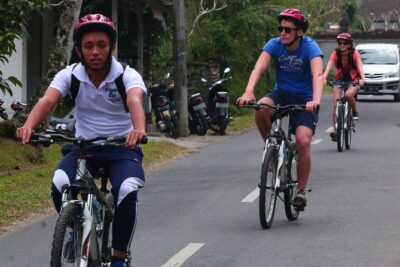
At the office, you receive a helmet and bicycle. The staff check the fit, explain how the electric assistance works, and complete the basic safety arrangements. Bottled water is included. The total group can reach 20 people, though some departures may be smaller. A smaller group usually makes it easier to hear the guide and move through village lanes.
The tour runs in the morning or afternoon. The morning version ends with lunch, while the afternoon version ends with dinner. The exact pace can vary, but the listed duration is about three hours, not counting lengthy transfers from distant parts of Bali.
Riding through Ubud’s village roads
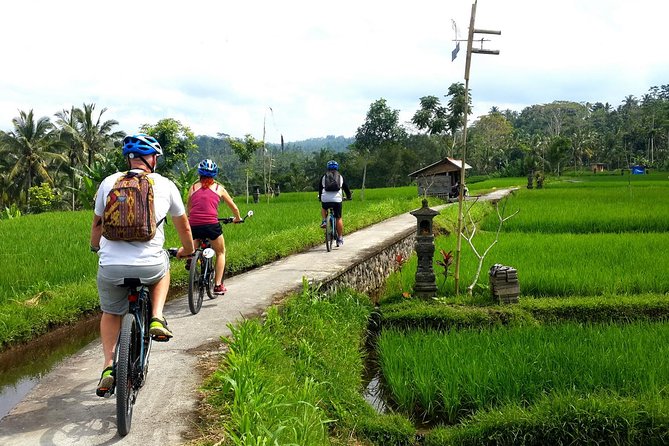
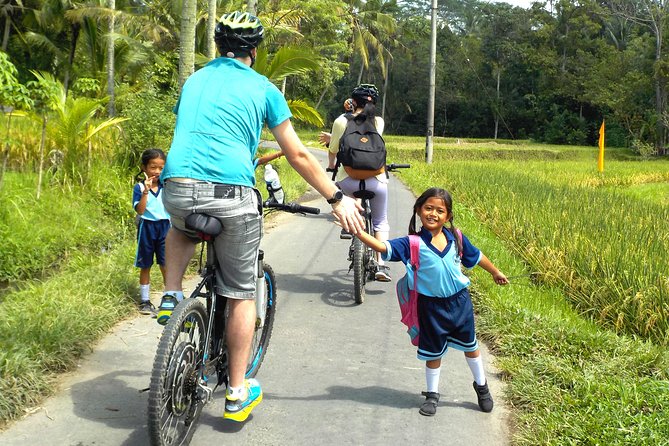
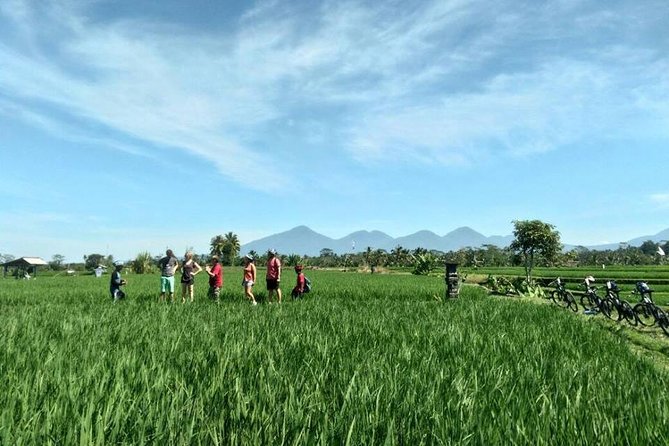
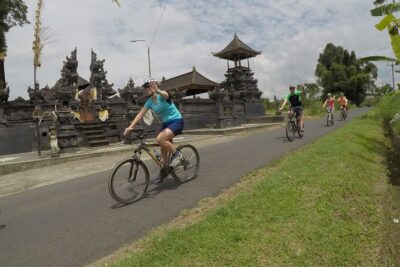
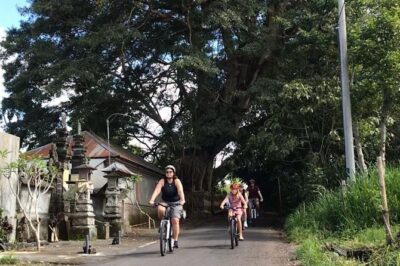
The ride is not a sealed sightseeing circuit. You pass through ordinary parts of Ubud, where people work, travel, farm, and make daily offerings. That is one of the activity’s real strengths. You see more than a famous photo stop.
Guides generally ride at the front and rear of the group. This arrangement helps keep riders together, especially when the route crosses a public road. Guides have been praised for helping groups through intersections and stopping traffic when needed. That support makes a real difference, but you should still ride defensively and follow instructions.
Expect a mix of surfaces. Some sections use regular roads with cars and motorcycles. Other sections follow rough or narrow paths beside rice paddies. A few people find the road riding daunting, particularly when concentrating on steering, traffic, and the unfamiliar e-bike controls at the same time.
I would wear covered shoes rather than sandals. Sunscreen is also essential. The tour provides water, but Bali’s heat and humidity can still catch you off guard, especially if you are not used to cycling. Loose clothing and a secure way to carry your phone are sensible choices.
Tegalalang Rice Terrace and the best photo stops
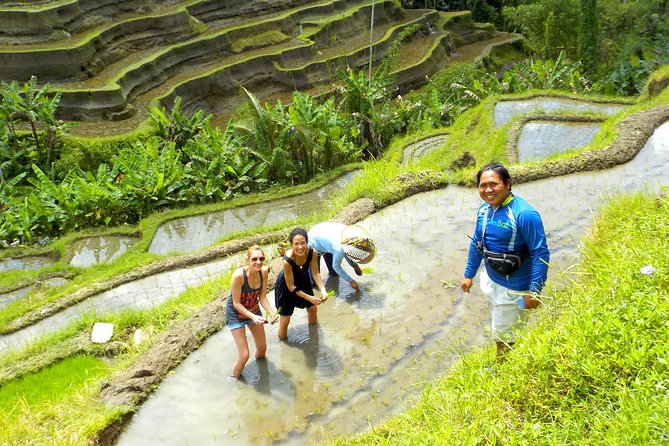
Tegalalang Rice Terrace is the visual high point. The stepped fields create the classic Ubud scene: rows of rice paddies cut into the hills, with palms and tropical growth around them. You have about 30 minutes at this stop, enough for photographs and a closer look rather than a long walk through the entire area.
The terrace is not only a pretty backdrop. Your guide can explain how rice is grown and how water moves through the fields. That context helps you see the terraces as working farmland, not just a picture stop.
The paths around rice fields can be uneven and narrow. You may need to slow down and pay attention to the edge of the path. This is where the e-bike’s power is less important than your balance and braking. If a guide offers a more advanced route, take it only if you are comfortable on rough surfaces.
The scenery changes with the season and the work cycle. Fields may look bright green, recently harvested, or partly muddy. That variation is part of seeing a living agricultural area rather than a staged attraction. Bring your phone or camera, but keep one hand free when riding.
More private drivers and car charters in Ubud:
- Bali Private Car Hire with Driver
★ 5.0 · 2,061 reviews - Bali Private Car Charter With English Speaking Driver
★ 5.0 · 347 reviews - Bali Car Hire with Driver
★ 5.0 · 328 reviews - Private Car Charter: Hire Car with English Speaking Driver
★ 5.0 · 305 reviews
Temples, homes, and a closer look at Balinese life
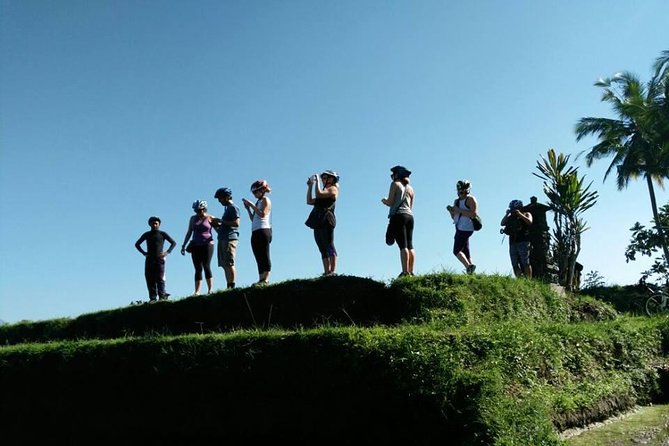
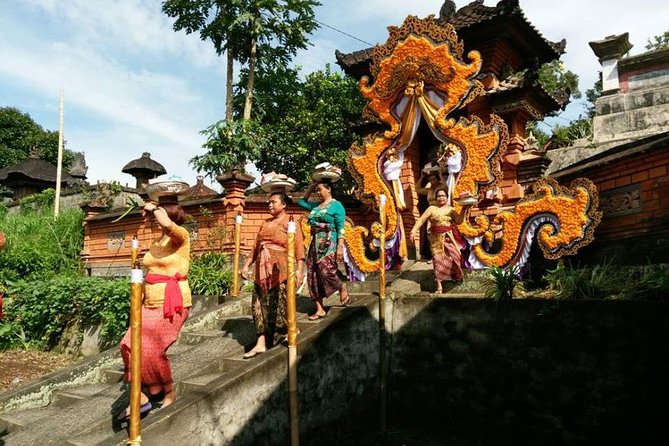
The route can include a temple, a traditional household compound, or a community center, depending on the departure and selected stops. These visits give the ride its cultural weight.
At a temple, guides may explain offerings, local ceremonies, and Balinese ideas about death and celebration. At a family compound, you get a glimpse of how domestic life is organized. These are brief visits, not long formal tours, but they help connect the rice fields with the people who maintain them.
I value this part because it slows the tour down. The countryside is beautiful, but the cultural explanations are what turn a pleasant bike ride into a useful introduction to Ubud. Guides including Gusti, Gina, Putu, Wid, Anilya, and Ketut have been singled out for clear explanations, friendly manners, and careful group handling.
Treat temple visits with respect. Follow the guide’s directions about where to stand and what to wear. Covered shoes are recommended for the cycling itself and are a sensible choice for cultural stops as well.
The jungle swing and plantation stop
A stop at a local coffee plantation includes a large jungle swing and time to look across the surrounding fields. The swing is a popular photo opportunity, and it adds a playful break to the ride. You may also sample coffee and teas, depending on the route.
The coffee visit is the most complicated part of the experience. Some people enjoy learning how coffee and tea are prepared and appreciate the tasting. Others feel uncomfortable with the treatment of civets associated with kopi luwak production. One direct account described small cages and poor conditions, along with pressure to buy coffee.
If animal welfare is important to you, ask about the traditional house option instead of the coffee plantation when that choice is available. This is a practical way to keep the cultural and countryside portions of the tour while avoiding a stop you may find upsetting. Do not assume the plantation is simply a quiet farm visit.
The jungle swing also deserves a little caution. It is an optional attraction within the stop, not the reason to book the tour. You can enjoy the views and plantation setting without treating the swing as a required part of the day.
Lunch after the morning ride, dinner after the afternoon ride
The meal is included, which improves the value of the $41 price. Morning departures finish with lunch, while afternoon departures finish with dinner. The food is served at a local restaurant or cafe, with a range of choices described for at least some departures.
This meal gives you a proper pause after cycling. It also means you do not need to arrange a restaurant immediately after being dropped off. Menu choices may be collected early in the outing, helping the meal run smoothly.
I would still think of the food as a convenient included meal rather than a stand-alone culinary tour. The strongest reasons to book are the cycling, scenery, and local explanation. The meal is a welcome finish, particularly after riding in the heat.
What the $41 price really covers
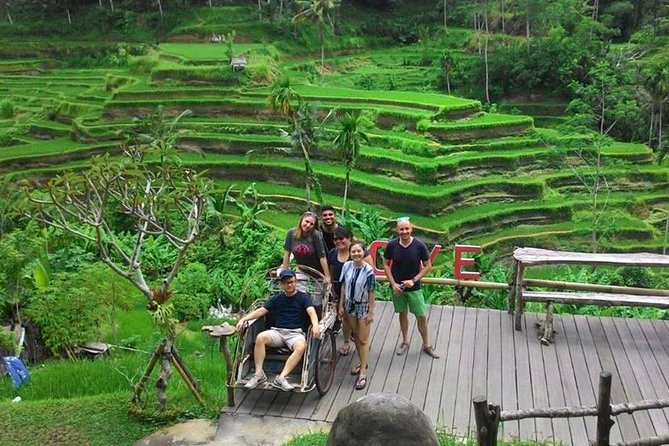
At $41 per person, the tour offers solid value if you are staying in central Ubud. The price includes the electric bicycle, helmet, local guide, bottled water, hotel pickup and drop-off in the Ubud area, transport in an air-conditioned minivan, and lunch or dinner.
Hiring transport, a bike, and a guide separately could cost more and would leave you to plan the route. Here, the operator handles the roads, stops, and meal. The guided format also adds safety on unfamiliar streets.
The value drops if you are staying far from Ubud. A long transfer can take several hours round trip, leaving less of your day for the actual ride. The activity is best suited to people based in Ubud or close enough that the included pickup remains convenient.
The group limit is 20 people. That is not a private tour, and a full departure may feel less personal. Still, the front-and-back guide setup helps the group function on roads and crossings. Solo participants should confirm the pickup time and location carefully, since missing the departure can be a serious problem.
Who should book this ride?
I would recommend it to you if you can ride a bicycle confidently and want more than Ubud’s central streets. It works particularly well as an early trip activity because it introduces rice farming, temples, village life, and the layout of the countryside in one half-day outing.
Families with older children and teenagers may also like it. The e-bikes reduce the physical strain, and the combination of riding, cultural stops, a swing, and a meal gives the day variety. Children must be accompanied by an adult, and every rider must meet the stated minimum height.
It is less suitable if you want a completely quiet ride away from cars. It is also not ideal for anyone uncomfortable on narrow paths, uneven surfaces, or public roads. People with limited cycling experience should choose a gentler activity.
The tour also requires decent weather. If poor weather forces a cancellation, you are offered another date or a full refund. Otherwise, you can cancel for a full refund up to 24 hours before the start time. Changes or cancellations inside that window are not accepted.
Should you book the Ubud electric cycling tour?
Book it if you want an active, practical introduction to Ubud’s countryside and you are comfortable on a bicycle. The best features are the easy-to-use e-bikes, careful group escort, strong local explanations, Tegalalang’s rice terraces, and the included meal.
Before paying, confirm that your hotel is within the Ubud pickup area and decide if you want the coffee plantation or traditional house option. If you avoid animal attractions, choose the house when possible. Also accept that the ride includes traffic and rough paths.
For most capable cyclists staying in Ubud, $41 is a fair price for the equipment, guide, transport, and meal. I would choose the morning departure for cooler riding and lunch afterward, or the afternoon departure if dinner and softer light appeal more. Either way, you get a useful look at the Ubud that begins where the central streets end.
FAQ
How long does the electric cycling tour last?
The cycling experience lasts approximately three hours. Hotel transfers may add time, especially if your accommodation is outside central Ubud.
Is hotel pickup included?
Yes. Pickup and drop-off are included for hotels in the Ubud area. The listed meeting point is the eBikes Bali office on Jalan Tirta Tawar in Petulu.
Do I need bicycle experience?
Yes. You must have bicycle riding experience. The electric motor helps with hills, but you still need to steer and manage public roads and narrow rice-field paths.
What is included in the price?
The $41 price includes the electric bicycle, helmet, local guide, bottled water, Ubud-area hotel pickup and drop-off, transport in an air-conditioned minivan, and lunch after the morning tour or dinner after the afternoon tour.
Is the tour suitable for children?
Children may participate if accompanied by an adult. Riders must be at least 150 centimeters tall, and the maximum rider weight is 120 kilograms.
What happens if the weather is poor?
The experience requires good weather. If it is canceled because of poor weather, you are offered a different date or a full refund. You can also cancel up to 24 hours before the start time for a full refund.
More tours that include lunch in Ubud
- ATV Quad Bike Bali with Waterfall Gorilla Cave and Lunch
★ 5.0 · 1,925 reviews - All Inclusive : Bali Blue Lagoon Snorkeling, Lunch, and Transport
★ 5.0 · 1,097 reviews - Blue Lagoon Snorkeling – Lunch – Kantolampo – Tibumana Waterfall
★ 5.0 · 542 reviews - Ubud White Water Rafting on the Ayung River with Pickup & Lunch
★ 5.0 · 449 reviews
Newly added Ubud trips
- Sunrise Jeep Tour Mount Batur Kintamani Bali★ 5.0 · 24 reviews
- authentic Balinese organic cooking class in Ubud★ 5.0 · 4 reviews
- Farm-to-Table Balinese Cooking Experience★ 4.0 · 3 reviews
- coconut wine and coffee safary tour★ 5.0 · 16 reviews
- Nungnung Waterfall,Jatiluwih Heritage UNESCO and Bedugul Tour★ 5.0 · 5 reviews
- Bali Amazing Cycling Tour★ 5.0 · 4 reviews
- Authentic Balinese Cooking Class with Jewelry Making Class★ 5.0 · 3 reviews
- Bali Rural Village Bike★ 5.0 · 10 reviews
Ubud Cycling Tours, compared.
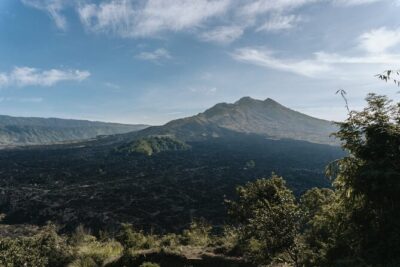
Downhill Cycling with Volcano, Rice Terraces and Meal
Read our review →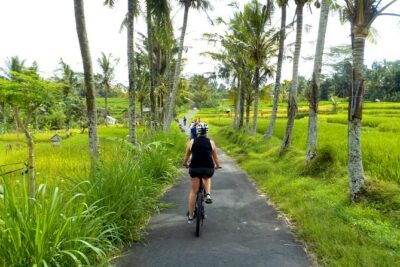
Half-Day Ubud Electric Cycling Tour to Tirta Empul Water Temple
Read our review →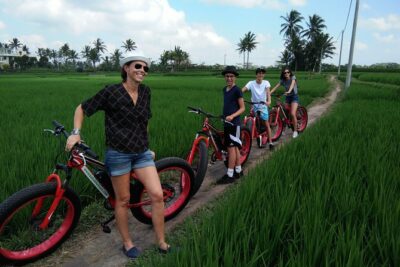
Kintamani Cultural and Nature Cycling Tour ( Manual Bike )
Read our review →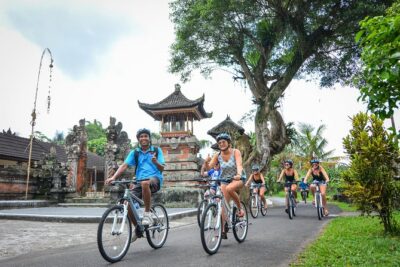
Browse the lists this tour appears in