
Reviewed · UBUD
ARMA Museum Visit
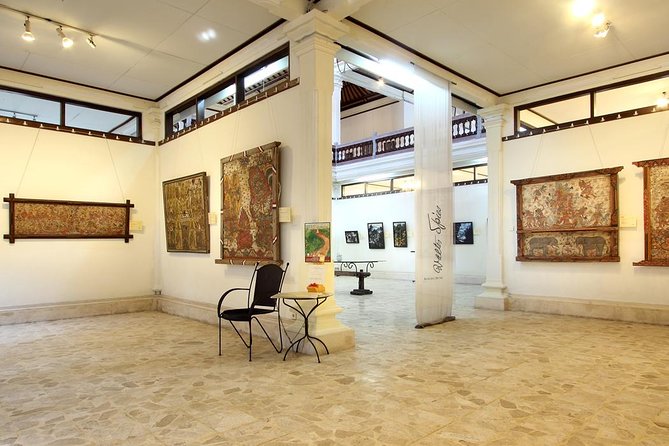
ARMA is more than a roomful of paintings. It is a museum and arts center where you can see Balinese and Indonesian art, then perhaps find performances, classes, workshops, or a quiet reading room on the same grounds. I like the freedom to set my own pace, and I like that a coffee or tea is included.
The main drawback is simple: this is an admission ticket, not a guided art tour. If you want detailed explanations of each work or help planning your visit, you will need to explore independently. The visit can last 30 minutes or up to two hours, so the value depends on how much time you give it.
Key points to know before you go
- ARMA covers more than visual art: The site also supports dance, music, theater, painting classes, workshops, lectures, and cultural programs.
- The collection spans old and new: Expect traditional batik paintings alongside contemporary Indonesian works.
- You choose the pace: There is no required group schedule, making it easy to fit into a busy day in Ubud.
- A hot drink is included: Coffee or tea comes with the admission arrangement, while meals, alcohol, and other drinks cost extra.
- Plan for 30 minutes to two hours: A quick look works, but the wider arts center rewards a slower visit.
- The price is modest: At $9.38 per person, the ticket is good value if you care about Indonesian art and use the time well.
Why ARMA deserves time in Ubud
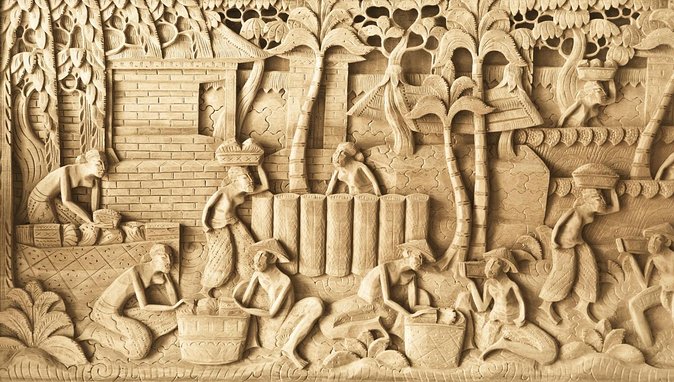
Ubud has plenty of art on offer, but ARMA gives you a broader view than a quick gallery stop. The Agung Rai Museum of Art is built around the idea that art belongs in daily cultural life, not only behind glass or on white walls. Along with the permanent collection, the center may host temporary exhibitions, performances, classes, and public programs.
That matters because you are not simply checking off a museum. You are visiting a place designed to connect painting with music, dance, reading, teaching, and community events. The exact program can vary, but the wider purpose of the center gives the visit more weight than a short display of framed works.
The collection includes Balinese and Indonesian art, with a range that reaches from traditional batik paintings to contemporary masterpieces. That mix makes ARMA useful for both first-time visitors and people who already know something about Southeast Asian art.
I would not treat it as a rushed stop between lunch and another attraction. You can certainly see part of it in 30 minutes, but two hours gives you time to look closely, pause with the works, and learn how the museum brings different forms of Indonesian culture together.
If you have another day in Ubud, these come up a lot:
- All-Inclusive Ubud Private Tour
★ 5.0 · 14,344 reviews - Best of Ubud Full-Day Tour with Jungle Swing
★ 5.0 · 8,571 reviews - Ubud: Monkey Forest, Jungle Swing, Rice Terrace, and Water Temple
★ 5.0 · 7,160 reviews
Entering the Agung Rai Museum of Art
Your visit centers on ARMA, the Agung Rai Museum of Art. Advance admission is designed to secure your entry and reduce time spent waiting at the entrance. That is helpful on a busy Ubud day, especially if you have arranged several activities and do not want a long pause before reaching the galleries.
There is no group departure time to chase. Once inside, you can move according to your own interest. I like this setup for a museum because people rarely look at art at the same speed. You may spend several minutes with one painting, while someone else may prefer to move through the collection more quickly.
The information provided does not promise a dedicated guide or a named art specialist. A multilingual guide may operate the activity, but you should not book this ticket expecting a full guided explanation. It is better suited to independent exploration.
That is not a serious weakness if you enjoy making your own discoveries. It does mean you should arrive ready to read the available information and form your own impressions. Art museums often work best when you have room to stop, think, and move on without a tour leader setting the tempo.
What you can see in the collection
The collection reaches across traditional and modern Indonesian art. Batik paintings offer one entry point, while contemporary works provide another. That range helps you see that Indonesian art is not limited to one period, one style, or one subject.
Batik is especially useful for visitors who want a visual connection to Indonesian culture. The pieces can show how a familiar local art form becomes part of a museum collection. Contemporary works then shift the focus toward newer ideas and methods, giving the visit a wider time frame.
The available details do not identify individual artists, rooms, or specific works. I would avoid arriving with a fixed list of masterpieces to find. Instead, think of ARMA as a place for a broad look at Indonesian and Southeast Asian art, with enough variety to keep the visit from feeling one-note.
You may also encounter special temporary exhibitions, depending on what is being shown during your visit. These displays can change the feel of the museum, so the experience may not be identical from one date to another. If a particular temporary exhibition matters to you, confirm its schedule before booking.
More than paintings: ARMA as a cultural center
ARMA’s wider program is one of its most interesting features. The center supports theater performances, dance, music, painting classes, cultural workshops, conferences, seminars, and training programs. It also includes a bookshop, library, and reading room.
You may not take part in all of these activities during a short admission visit. Still, their presence explains why the museum feels like a cultural center rather than only a gallery. If you are staying in Ubud for several days, ARMA may offer more than one reason to return.
The performing arts side is worth keeping in mind. A museum visit in the daytime can be paired with a later cultural program if one is scheduled, though the admission details supplied here cover the museum visit and a hot drink, not meals, performances, or separate events.
The library and reading room may appeal to visitors who want a quieter setting after looking at art. The bookshop can also add value for people who like to take home reading material, though purchases are not included in the ticket price.
A completely different kind of day out from Ubud:
- Best of Ubud 1-Day Private Tour
★ 5.0 · 4,451 reviews - Bali: Ubud Palace Legong Dance Show Ticket
★ 4.4 · 3,979 reviews - Uluwatu Sunset, Kecak Dance, and Dinner Jimbaran Beach
★ 5.0 · 3,681 reviews - Tanah Lot and North Bali Tour: Scenic Journey
★ 5.0 · 3,620 reviews
How long should you stay?
The stated visit time is about 30 minutes to two hours. That is a wide range, but it makes sense for a self-guided museum.
A 30-minute visit suits you if you want a short cultural stop before another Ubud activity. You can get a general sense of the collection, view a selection of works, and enjoy your included drink without giving up half a day.
Allow closer to two hours if you enjoy art, want to compare traditional batik with contemporary pieces, or hope to explore more of the center than the main collection. A slower visit also gives you time to use the reading room or browse the bookshop, if those facilities appeal to you.
The flexible timing is one of the ticket’s strongest features. You are not tied to a fixed group itinerary, and you do not need to rush simply because another part of a tour is about to begin. At the same time, the absence of a schedule means you must manage your own visit.
The coffee or tea detail
A free hot drink is included, either coffee or tea. It is a small benefit, but it changes the rhythm of the stop. You can use it as a quiet break after viewing the collection, or simply treat it as part of the admission value.
The included drink does not cover lunch, alcoholic drinks, or other food and beverages. A restaurant is associated with the museum and resort, and the experience can work well as part of a longer outing, but the ticket itself does not include a meal.
I would not buy this admission mainly for the drink. The art and the freedom to explore are the real reasons to go. Still, at $9.38 per person, the coffee or tea is a pleasant extra and makes the price easier to justify.
Is $9.38 a fair price?
For a ticket costing $9.38 per person, ARMA offers reasonable value if you plan to spend at least an hour with the collection. You receive admission to a respected Indonesian art museum, independent visiting time, and a complimentary hot drink.
The value is weaker if you only want a quick photograph or if your main interest is a guided history lesson. No detailed private instruction is promised, and the short end of the visit range may not feel worth the price for every visitor.
I see the ticket as good value for three types of people. Art lovers get a varied collection. Culture-minded visitors get access to a center that links art with dance, music, workshops, and education. Busy visitors get a flexible stop that does not require joining a group at a fixed hour.
The 93 percent recommendation rate and 4.5 rating from 46 ratings suggest strong overall satisfaction, but I would still use your interests as the deciding factor. A high score cannot replace a good match between the museum and your travel style.
Who will enjoy ARMA most?
You will likely enjoy ARMA if you want to understand more about Balinese and Indonesian culture through art. The collection’s mix of traditional batik and contemporary works gives you more range than a single-style exhibition.
It also suits independent visitors. You can avoid waiting for a group, choose your own route, and stay for as little or as long as your schedule allows. That makes it practical for solo visitors, couples, and families with different attention spans.
People who want live culture may find the center especially appealing, provided a performance or workshop is available during their visit. ARMA’s program includes dance, music, theater, painting classes, conferences, seminars, and cultural workshops, but the admission ticket does not guarantee a particular event.
I would be less likely to recommend it to someone who wants a highly structured tour with constant commentary. The ticket gives you entry and freedom, not a full lesson from a personal guide.
A practical way to fit ARMA into your day
Because the visit can take as little as 30 minutes, ARMA is easy to combine with other plans in Ubud. One rating specifically highlights that the location is close to other worthwhile things to do, so you do not need to build an entire day around the museum.
A short visit works before or after another nearby activity. A longer visit makes more sense if you want to treat ARMA as a main cultural stop and take time with the collection, reading room, bookshop, or any program available that day.
I would leave room in your schedule rather than setting a strict 30-minute limit. The ticket gives you the option of a quick visit, but the wider arts center may encourage you to stay longer than expected.
Since no transport is included in the details provided, you should arrange your own way to the museum. The admission covers entry, not lunch, drinks beyond the included coffee or tea, or alcoholic beverages.
Booking, timing, and cancellation
The experience is often booked about 24 days in advance, which suggests that planning ahead is sensible during a popular Ubud visit. Confirmation is provided at booking, and the activity can accommodate up to 100 people, although your own visit is not tied to a group schedule.
Most people can participate. A multilingual guide may operate the activity, but there is no named guide listed and no promise of a guided tour.
Free cancellation is available if you cancel at least 24 hours before the local start time. Cancellations or changes made less than 24 hours before the start time are not accepted for a refund, so keep that deadline in mind when arranging your Ubud plans.
Should you book the ARMA Museum Visit?
Book it if you want an affordable, flexible introduction to Balinese and Indonesian art, especially if you like moving through museums at your own speed. The mix of batik, contemporary work, cultural programs, and a complimentary hot drink gives the visit more substance than a basic entry ticket.
Skip it if you need a guided art lesson, a meal included in the price, or a tightly planned tour with transport and commentary. For everyone else, $9.38 is a sensible spend for a cultural stop that can last 30 minutes or two hours. Give it more than a quick glance if you want to understand why ARMA functions as both a museum and an arts center.
FAQ
Where is the ARMA Museum Visit located?
The experience takes place at the Agung Rai Museum of Art, known as ARMA, in Ubud, Indonesia.
How much does admission cost?
The listed price is $9.38 per person.
How long does the visit take?
The visit lasts approximately 30 minutes to two hours, depending on how much time you spend exploring.
Is the visit guided?
The ticket allows you to explore at your own pace without waiting for a group. A multilingual guide may operate the activity, but a dedicated guided tour is not specified.
What kind of art can I see?
The collection includes Southeast Asian, Balinese, and Indonesian art, ranging from traditional batik paintings to contemporary works.
Is a drink included?
Yes. A complimentary coffee or tea is included.
Is lunch included?
No. Lunch is not included, and food and additional drinks are not covered by the admission.
Are alcoholic drinks included?
No. Alcoholic drinks are available to purchase but are not included in the ticket.
How far in advance is the experience usually booked?
It is booked an average of 24 days in advance.
Can I cancel for a full refund?
Yes. You can receive a full refund if you cancel at least 24 hours before the experience start time. Changes or cancellations made less than 24 hours before the local start time are not accepted.
Newly added Ubud trips
- authentic Balinese organic cooking class in Ubud★ 5.0 · 4 reviews
- Farm-to-Table Balinese Cooking Experience★ 4.0 · 3 reviews
- Sunrise Jeep Tour Mount Batur Kintamani Bali★ 5.0 · 24 reviews
- coconut wine and coffee safary tour★ 5.0 · 16 reviews
- Nungnung Waterfall,Jatiluwih Heritage UNESCO and Bedugul Tour★ 5.0 · 5 reviews
- Bali Amazing Cycling Tour★ 5.0 · 4 reviews
- Authentic Balinese Cooking Class with Jewelry Making Class★ 5.0 · 3 reviews
- Bali Rural Village Bike★ 5.0 · 10 reviews