
Reviewed · UBUD
The Lost Art of Being Human
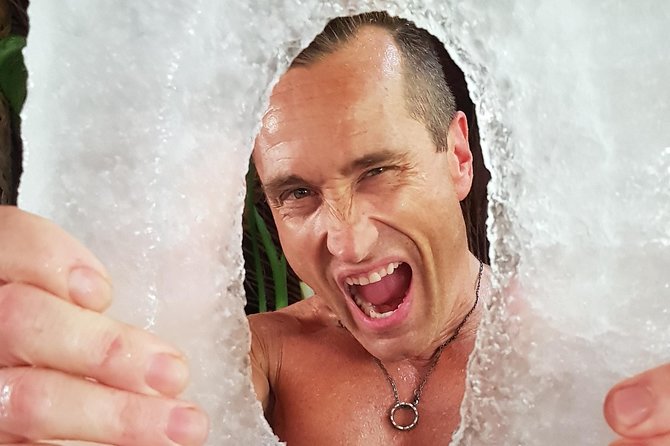
The most memorable part of this Ubud experience is the ice bath, but the cold water is only the final test. You first work through meditation, yoga, breath control, and mental preparation, then use those tools when your body wants to panic. I like that the session treats the bath as practice for handling stress, not as a stunt.
I also like the private format. You get direct instruction instead of trying to follow a teacher across a crowded studio, and the session can focus on your breathing, fears, and fitness level. The included mat and nutritious lunch add practical value, especially if you are making this one of your main activities in Ubud.
The main caution is simple: this is physically demanding. Strong fitness is required, and cold exposure is not a casual spa treatment. The description also calls it a full-day package while giving an approximate duration of four hours, so confirm the exact schedule and lunch arrangements before booking.
Key points to know before you book
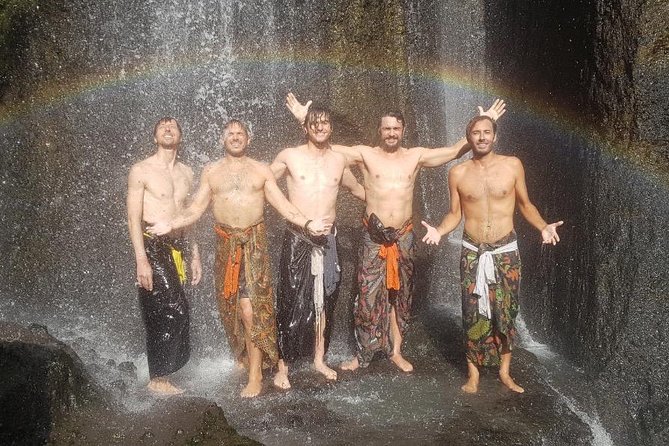
- The ice bath comes after preparation: Meditation, yoga, breathwork, and cold exposure build toward the main challenge.
- Private instruction matters: Only your group participates, giving you more personal attention and room to discuss stress, sleep, and breathing.
- Alex is linked with the program: The Breathing Cold sessions associated with Alex place strong emphasis on care, empowerment, and trauma-sensitive practice. Confirm your instructor for the date you choose.
- You meet at Neka Art Museum: The starting point is on Jl. Raya Sanggingan, near Campuhan in Ubud.
- The price is $26: That is good value for a private, roughly four-hour session with a mat, lunch, and ice bath, assuming all advertised elements are included on your date.
- You need to be ready for discomfort: This is not a gentle wellness class. It asks you to face fear, regulate your breathing, and stay calm under physical stress.
What the Ubud session is really about
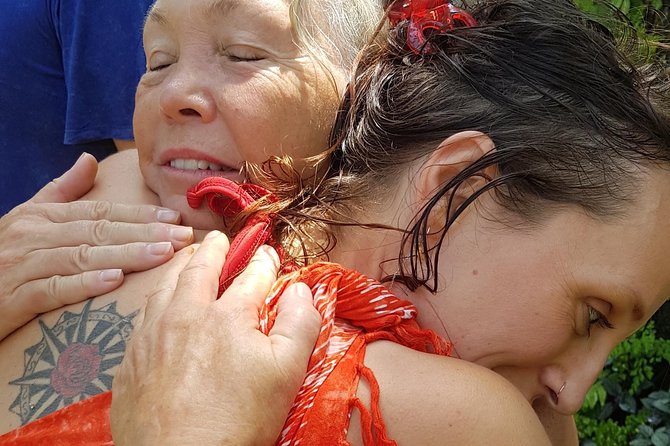
The title, The Lost Art of Being Human, points to a modern wellness idea: you can train your response to pressure. Instead of treating stress as something you simply endure, the session shows you ways to notice it and work with it through the body.
That can sound grand, so keep your expectations sensible. One session will not cure poor sleep, remove anxiety, or give you permanent control of your immune system. What you can gain is a set of breathing and attention exercises, plus a memorable lesson in how your body reacts when conditions become uncomfortable.
The program combines meditation, yoga, pranayama, breathwork, Wim Hof-inspired techniques, and exposure to cold. These are related, but they are not identical. Meditation asks you to pay attention. Yoga prepares the body. Breathwork changes the rhythm and focus of your breathing. The ice bath then gives you a clear moment to apply those skills.
I like this order. Jumping straight into cold water can become a willpower contest. Here, the point is to prepare your mind before your body meets the cold.
If you have another day in Ubud, these come up a lot:
- All-Inclusive Ubud Private Tour
★ 5.0 · 14,344 reviews - Best of Ubud Full-Day Tour with Jungle Swing
★ 5.0 · 8,571 reviews - Ubud: Monkey Forest, Jungle Swing, Rice Terrace, and Water Temple
★ 5.0 · 7,160 reviews
Starting at Neka Art Museum near Campuhan
You begin at Neka Art Museum, listed at G753+2F7 on Jl. Raya Sanggingan, near Campuhan in Ubud. The activity returns to this meeting point, so you are not left at an unfamiliar end location.
The meeting point is useful if you are already exploring Ubud’s art and Campuhan area. It is also near public transportation, though you should allow time to find the precise entrance and arrive ready for physical activity. The booking information provides the museum as the start, not a hotel pickup service, so do not assume transport from your accommodation is included.
Because this is a private session, your group can begin with a more personal conversation. Expect the tutor to learn what you want from the experience, such as better sleep, calmer reactions to stress, more energy, or a healthier morning routine. This opening matters because breathwork and cold exposure should be adjusted to the person in front of the instructor.
The instructor connected with the Breathing Cold program is Alex. The supplied background around his sessions places repeated emphasis on feeling heard, supported, and empowered, along with careful attention to trauma sensitivity. That gives you a useful standard to expect from the teaching style, but confirm whether Alex personally leads your booking.
Meditation, intention, and the first breathing exercises
The first stage uses meditation, projection, intention, and breathing. In plain terms, you are asked to settle your attention, picture the result you want, and make a conscious plan for handling discomfort.
This is more useful than it may sound. During an ice bath, your first instinct may be to tense up, hold your breath, or leave at once. The earlier exercises give you a pattern to follow. You learn to notice the urge to panic and return to a controlled breath.
The session also explains the biology behind the techniques. That is an important feature for anyone who dislikes vague wellness claims. You are not only told to breathe in a certain way. You are given a reason for the exercise and shown how breathing can affect your sense of stress and physical arousal.
Still, the language around changing biochemistry and controlling the immune system should be treated carefully. Breathing can affect how you feel and respond in the moment, but it is not a replacement for medical care. I would approach the science section with curiosity, while keeping expectations grounded.
Yoga and breathwork before the cold
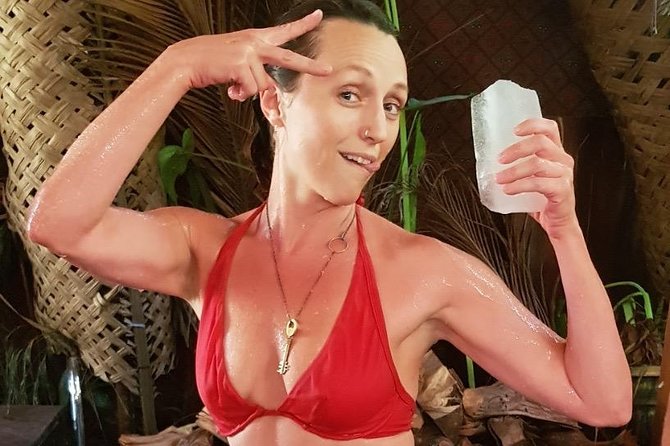
Yoga forms part of the preparation, rather than being the entire activity. The information provided does not specify a particular style or sequence, so you should expect a practical session rather than a standard class with a fixed routine.
The likely value here is body awareness. You begin to notice tension, posture, and the difference between shallow and steady breathing. That awareness becomes important once the cold arrives, because the bath is not only about tolerating low temperature. It is about observing what your body does under pressure.
The breathwork section is more central. You work on breathing better, using the breath to alter your mental state, and applying pranayama methods. You may also receive advice intended to support better sleep and a calmer morning routine.
Some participants may find the breathing exercises powerful or emotional. The program’s wider training work, linked with Alex, places attention on trauma sensitivity and personal care. Even so, this is not a clinical therapy session, and you should tell the tutor about relevant health concerns before taking part.
A completely different kind of day out from Ubud:
- Best of Ubud 1-Day Private Tour
★ 5.0 · 4,451 reviews - Bali: Ubud Palace Legong Dance Show Ticket
★ 4.4 · 3,979 reviews - Uluwatu Sunset, Kecak Dance, and Dinner Jimbaran Beach
★ 5.0 · 3,681 reviews - Tanah Lot and North Bali Tour: Scenic Journey
★ 5.0 · 3,620 reviews
Cold exposure, from the extremities to the ice bath
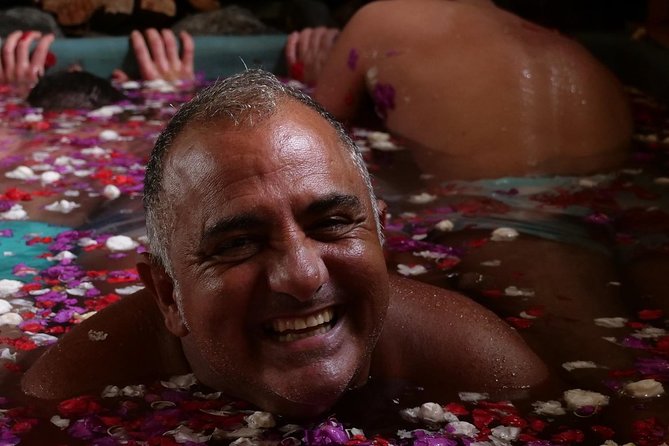
The cold portion begins gradually, with exposure to the extremities before the full ice bath. This progression makes sense. Hands, feet, and other exposed areas can give you an early lesson in how your body reacts without asking you to commit to the most intense stage immediately.
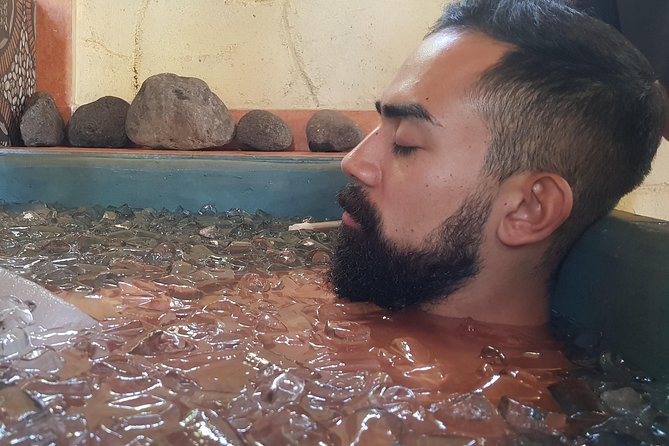
Then comes the ice bath. Your breathing, posture, and attention become practical tools rather than classroom ideas. The cold can trigger a strong urge to escape, and the tutor’s job is to help you respond safely and calmly.
This is where the private format earns its keep. A one-to-one tutor can watch your breathing and give direct prompts. You can also ask questions without worrying about holding up a group. If you arrive nervous, that personal attention may make the difference between a useful challenge and an unpleasant ordeal.
Do not treat the bath as a competition. The aim is not to stay in longer than anyone else or prove that you are fearless. The useful result is learning how to manage your response, follow instructions, and recognize your limits.
The activity requires a strong physical fitness level. The information does not provide a detailed medical screening list, so anyone with a health condition, concern about cold exposure, or uncertainty about breathwork should seek medical advice before booking. You should also tell the instructor about any relevant issue at the start.
The morning routine and life beyond Ubud
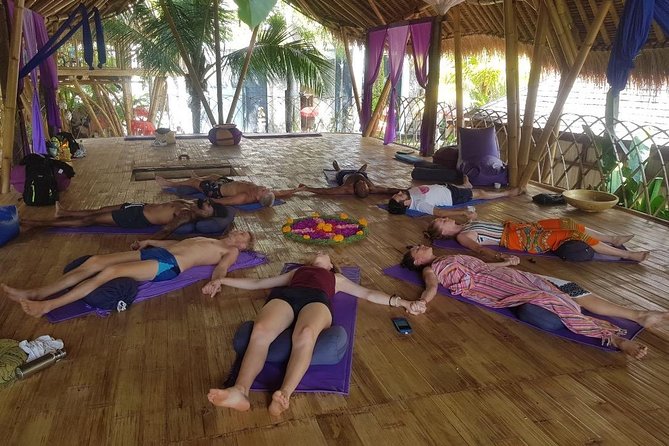
One of the more practical parts of the program is its focus on building a new morning routine. The suggested habits include meditation, mindful breathing, and ways to begin the day with more intention.
This is a better takeaway than simply remembering that you survived an ice bath. Cold exposure is easy to talk about after a holiday. A short breathing practice that you repeat at home has a better chance of becoming useful.
The program also connects the techniques with sleep, energy, mood, and stress. Again, treat these as possible benefits rather than guarantees. You may leave with a fresh routine and a clearer understanding of your stress response, but the lasting effect depends on what you keep doing after the session.
The strongest value is educational. You learn a small collection of practices that can fit into daily life, then test them under pressure. That combination gives the experience more purpose than a one-off thrill.
Lunch, equipment, and the four-hour schedule
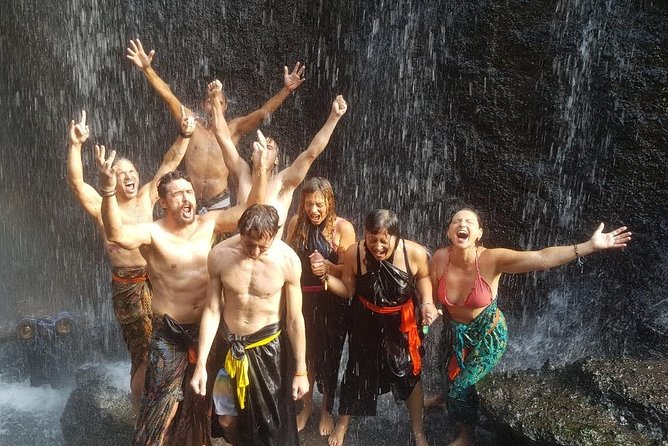
The package includes a mat, a nutritious lunch, and the ice bath. The mat means you do not need to bring your own yoga equipment. Lunch is a welcome addition after physical exertion, though the description does not specify the menu, dietary choices, or exact time it is served.
At $26, the price is appealing for a private session that includes personal tuition, equipment, food, and cold exposure. Comparable private wellness sessions can cost far more, especially when an instructor works only with your group. The value is strongest if the lunch and all listed components are included exactly as described.
There is one scheduling wrinkle. The experience is presented as approximately four hours, but the package is also described as full-day. Those descriptions do not match neatly. Ask for the exact start and finish time before paying, particularly if you are arranging transport or another Ubud activity afterward.
The session ends back at Neka Art Museum. Since there is no stated hotel transfer, plan your own way to and from the meeting point. Mobile tickets make the booking easy to carry, and confirmation is provided at the time of booking.
Who will get the most from this experience
I would choose this for someone who wants an active wellness session and is curious about the connection between breath, attention, and physical stress. It suits people who prefer direct coaching and want time to ask personal questions.
It is also a good fit if you are trying to create a morning routine. The meditation, breathing, and intention work can give you a practical starting point, while the ice bath provides a strong memory to anchor the lesson.
The private setup works well for couples, friends, or a small family group that wants to try something unusual together. It also suits solo visitors who would rather have a tutor’s full attention than join a large class.
I would not book it if you want a restful spa afternoon, a gentle yoga class, or a sightseeing trip. The experience asks you to embrace discomfort. You need to arrive ready to concentrate, follow instructions, and accept that the cold may feel intense.
How the teaching style shapes the experience
The strongest praise connected with Breathing Cold focuses on Alex’s supportive manner, personal attention, and ability to help people feel seen and empowered. Other sessions associated with the program combine breathwork, ice baths, authentic relating, and facilitator training, suggesting that the teaching goes beyond physical technique.
That matters because cold exposure is partly psychological. A tutor who explains what is happening and gives calm instructions can help you stay present. A rushed or overly competitive approach would miss the point.
You should still take responsibility for your own limits. Personal encouragement is not a medical clearance, and a private session does not remove the physical demands of an ice bath. Ask questions, speak up if something feels wrong, and do not confuse determination with safety.
Booking, cancellation, and practical details
Confirmation is provided when you book, and free cancellation is available if you cancel at least 24 hours before the start time. Cancellations made within 24 hours are not refunded, and late changes are not accepted.
The activity requires a minimum number of participants. If that minimum is not reached and the provider cancels, you are offered another date or experience, or a full refund.
Service animals are allowed, and the meeting point is near public transportation. The experience is private, with only your group taking part. Bring a willingness to work hard, and confirm the exact duration, instructor, lunch details, and any health requirements before you go.
Should you book The Lost Art of Being Human?
Book it if you want a focused, private challenge that links yoga and meditation with real cold exposure. At $26, the combination of personal tuition, a mat, lunch, and an ice bath offers strong value, provided the advertised inclusions and schedule are confirmed.
Skip it if you are looking for relaxation, have serious doubts about cold exposure, or cannot meet the stated fitness requirement. The best reason to choose this activity is not to boast about taking an ice bath. It is to learn whether controlled breathing and attention can help you respond differently when your body says stop.
FAQ
Where does The Lost Art of Being Human start?
The experience starts at Neka Art Museum, at G753+2F7, Jl. Raya Sanggingan, Jl. Raya Campuhan, Campuhan, Kedewatan, Ubud, Bali 80571, Indonesia.
Where does the activity end?
The activity ends back at the meeting point, Neka Art Museum.
How long does the experience last?
The stated duration is approximately four hours. The package is also described as full-day, so confirm the exact schedule before booking.
What activities are included?
The session includes meditation, yoga, breathwork, pranayama techniques, Wim Hof techniques, cold exposure, and an ice bath.
Is lunch included?
Yes. The full-day package includes a nutritious lunch. The specific menu is not provided.
Is this a private activity?
Yes. Only your group participates in the activity.
What is the cancellation policy?
You can cancel for a full refund up to 24 hours before the experience starts. Cancellations or changes made less than 24 hours before the start time are not accepted for a refund.
Newly added Ubud trips
- authentic Balinese organic cooking class in Ubud★ 5.0 · 4 reviews
- Farm-to-Table Balinese Cooking Experience★ 4.0 · 3 reviews
- Sunrise Jeep Tour Mount Batur Kintamani Bali★ 5.0 · 24 reviews
- coconut wine and coffee safary tour★ 5.0 · 16 reviews
- Nungnung Waterfall,Jatiluwih Heritage UNESCO and Bedugul Tour★ 5.0 · 5 reviews
- Bali Amazing Cycling Tour★ 5.0 · 4 reviews
- Authentic Balinese Cooking Class with Jewelry Making Class★ 5.0 · 3 reviews
- Bali Rural Village Bike★ 5.0 · 10 reviews