
Reviewed · BALINESE DANCE SHOWS
Ubud: Barong Dance and Keris Cultural Dance Show Tickets
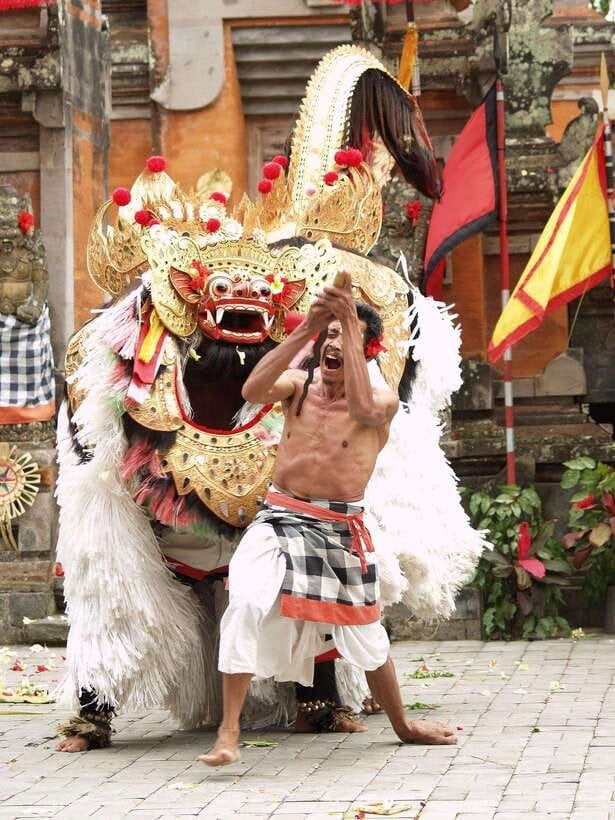
The Barong and Rangda dance turns an old Balinese battle between good and evil into a colorful stage drama. Barong, a lion-like guardian, faces Rangda, the frightening queen of the witches, while masked dancers and a gamelan orchestra carry the story forward.
I like the strong costumes and the musicians, who keep the performance moving with tightly coordinated rhythms. I also like the low price, about $6 per person, which makes this an easy cultural outing for families. The main drawback is that the story can be hard to follow, and some seats may feel uncomfortable.
Key points to know
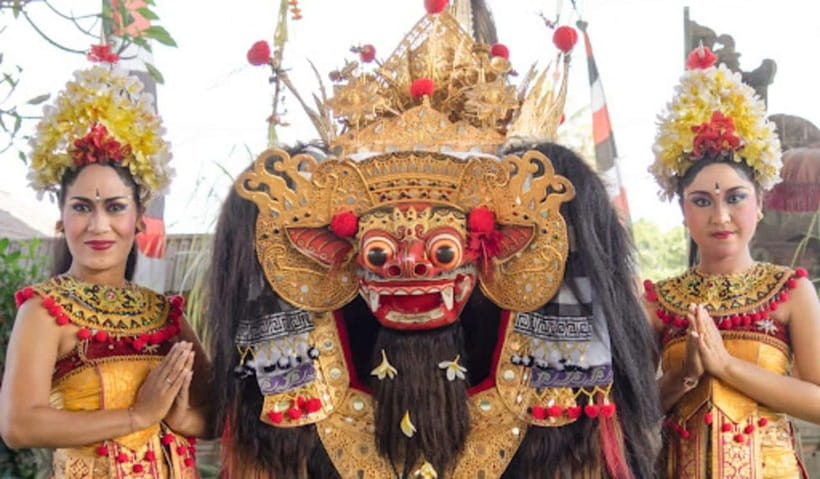
- Barong versus Rangda: Watch the good-natured Barong face the destructive witch queen in Bali’s best-known traditional dance story.
- Daily performances: The show is held at Batubulan Village, with the listed morning performance starting at 9:30 am. Some evening arrangements use a different venue and schedule.
- Gamelan carries the action: The musicians work continuously with the dancers, adding tension, humor, and force to each scene.
- Transport is optional: Pickup and return service covers Ubud, Denpasar, and Sanur, with an extra cash charge for Kuta, Seminyak, and Nusa Dua.
- Family-friendly but not baby-friendly: The show suits most ages, but babies under one year are not considered suitable.
- Allow time for ticket handling: If you book without transport, you must exchange your voucher and collect the show ticket at the venue.
A Balinese story told through masks and movement
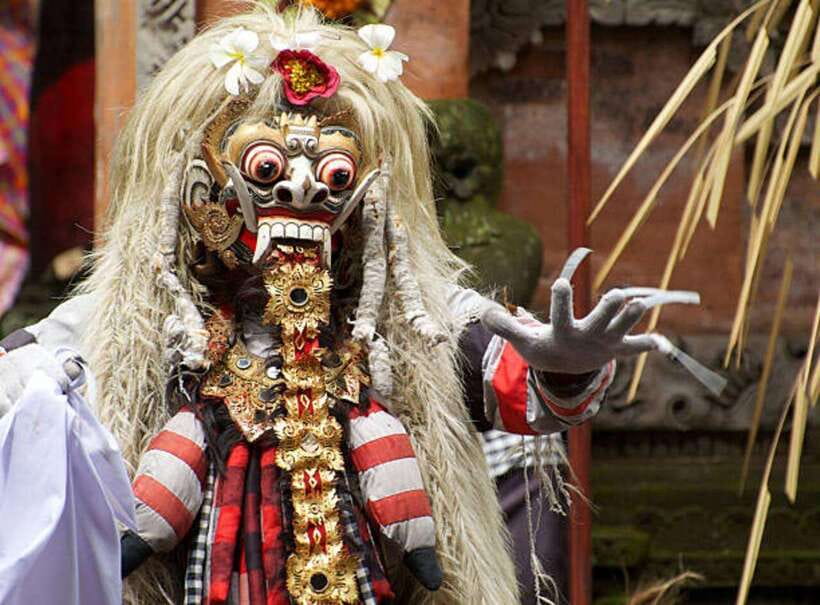
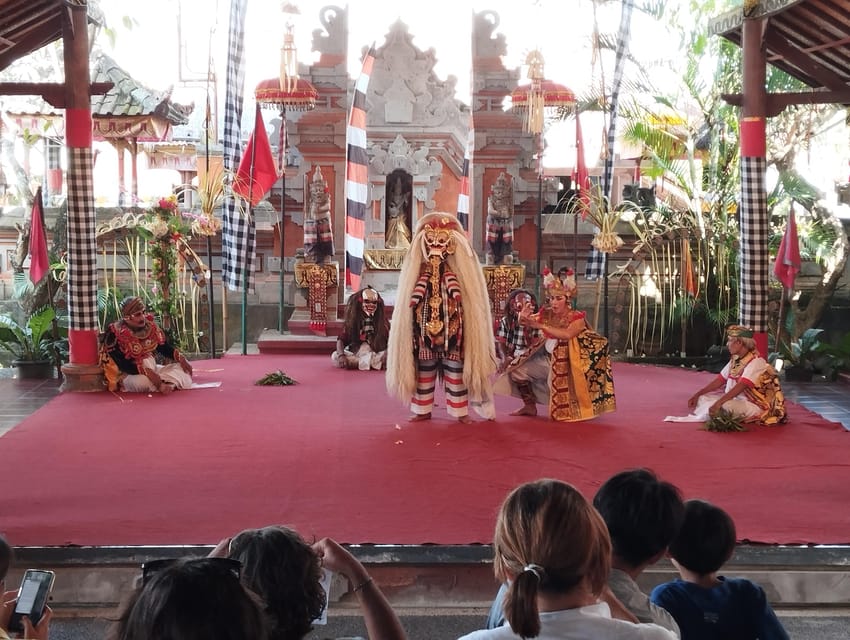
The Barong dance is not simply a dance recital. It is a piece of Balinese mythology performed with masks, costumes, music, and theatrical action. You watch the struggle between two opposing forces: Barong represents protection and goodness, while Rangda represents disorder, danger, and destruction.
The story has a clear central conflict, but the details may not always be easy to follow. Written English explanations can be brief, and the action moves between dance, acting, comedy, and ritual imagery. I suggest reading the basic outline before you arrive. That small bit of preparation helps you recognize who is who when the masks appear.
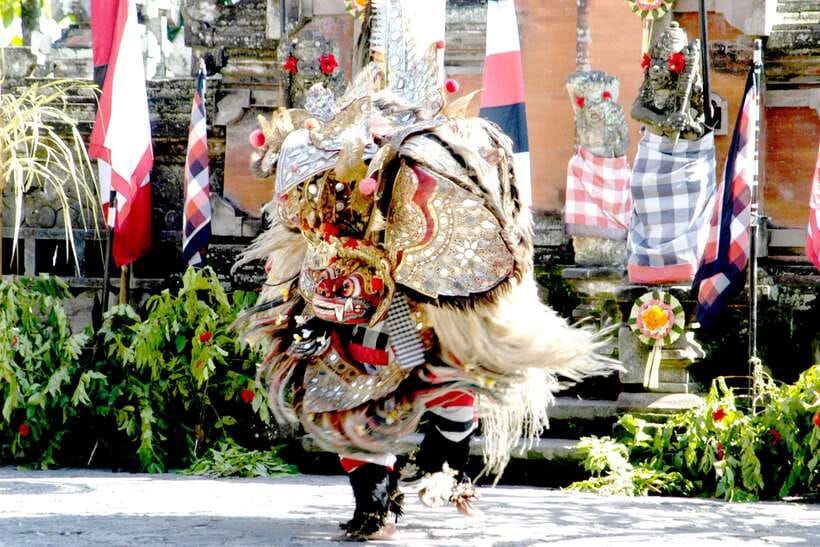
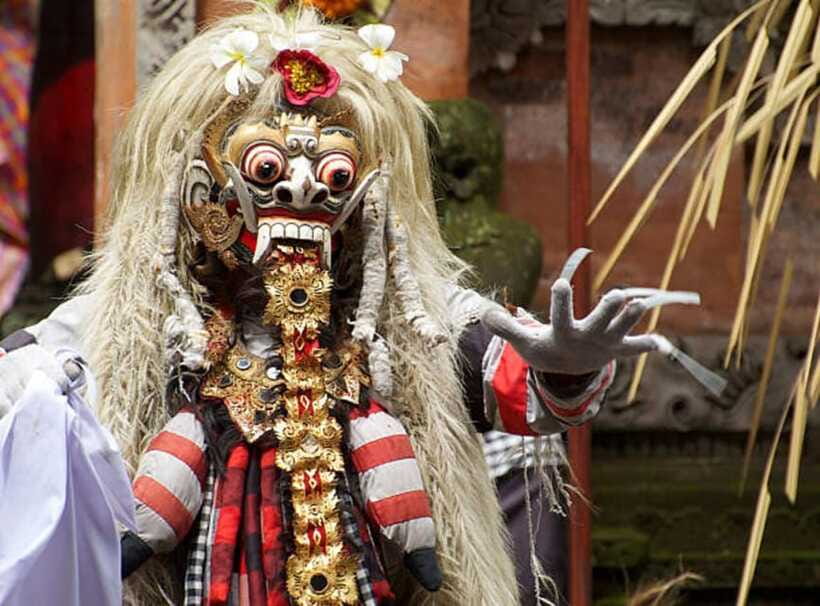
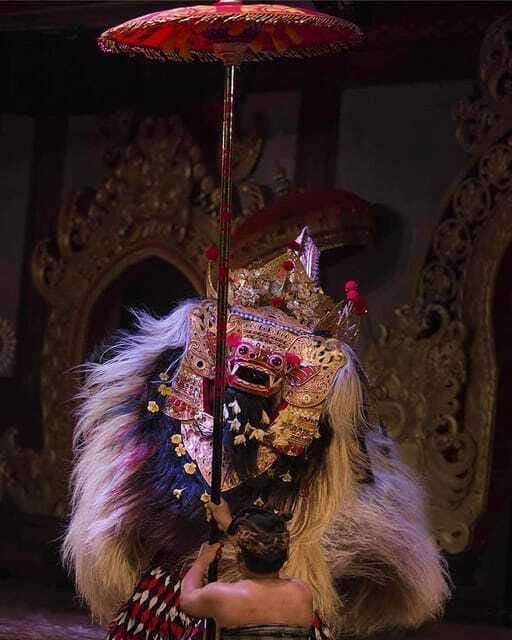
Barong is usually the first character that catches your eye. The costume is handled by two dancers, creating the effect of one large mythical creature. The result is less about delicate footwork and more about weight, character, and stage presence.
Rangda has a much more threatening appearance. Her mask, long hair, and intense movements give the performance its darker edge. The contrast between the protective Barong and the frightening Rangda makes the story easy to understand even when the smaller plot points are unclear.
More Kecak and Legong dance evenings:
- Bali: Ubud Palace Legong Dance Show Ticket
★ 4.4 · 3,979 reviews - Uluwatu Sunset, Kecak Dance, and Dinner Jimbaran Beach
★ 5.0 · 3,681 reviews - Bali: Ubud Kecak and Fire Dance Show Tickets
★ 4.4 · 2,631 reviews
What the performance feels like from your seat
The music is not background decoration. The gamelan orchestra works throughout the show, marking changes in mood and action. Fast rhythmic passages can make a scene feel comic or frantic, while slower sounds give the masked figures a more serious presence.
The musicians are one of the strongest parts of the experience. They must watch the dancers and respond to the action, and the music often feels as carefully coordinated as the choreography. If you enjoy traditional instruments, sit where you can pay attention to the orchestra as well as the stage.
The dancing itself varies. Some scenes are elaborate and theatrical, with striking costumes and masks. Other movements can feel simple, particularly if you are expecting a polished modern dance production. The appeal is the complete combination of music, character, costume, and story rather than technical dance alone.
Some versions of the program also include a puppet segment. This can feel long if you are mainly interested in Barong, but it may keep younger children interested. Families should know that the performance is not a short photo opportunity. Depending on the selected arrangement, the full activity can take from one to five hours, including transport and waiting time.
Batubulan Village and the daily schedule
The traditional Barong performance is associated with Batubulan Village, a known center for this type of cultural presentation. The listed show begins at 9:30 am, so a morning start is important if you select that schedule.
If you arrange your own way to the venue, plan to arrive early enough to exchange your electronic voucher and collect the physical show ticket. This step matters. Your phone confirmation may not be the same thing as the ticket used for entry.
The supplied details also refer to a different evening arrangement, with check-in between 6:00 and 6:30 pm and the show beginning at 7:30 pm. That means you should check the exact time and venue shown for your chosen option instead of assuming every ticket follows the 9:30 am Batubulan schedule.
This variation is one of the most important practical points. The meeting place can change according to the ticket type, and the activity may be sold with or without transport. Check the selected option carefully before setting your day’s plans.
Choosing transport from Ubud, Denpasar, or Sanur
A ticket-only option gives you more freedom, but it puts the arrival and ticket exchange in your hands. You need to reach the correct venue, find the local representative, and collect the entry ticket before the show.
The pickup option is simpler. Private round-trip transport is available from Ubud, Denpasar, and Sanur. The listed pickup time for the morning show is 8:30 am, which gives you time to reach the venue before the 9:30 am performance. You can bring food in the vehicle, a useful detail if you are leaving early or traveling with children.
Kuta, Seminyak, and Nusa Dua require an additional 100,000 Indonesian rupiah in cash. That extra charge can still be worthwhile if you are staying in one of those areas, since arranging separate transport may cost more and require extra planning. Confirm the pickup zone and surcharge before booking.
The provider offers English and Indonesian support. That is helpful for basic arrangements, though the show itself may still require you to follow the story through visual action rather than spoken explanation.
A completely different kind of day out from Ubud:
- All-Inclusive Ubud Private Tour
★ 5.0 · 14,344 reviews - Best of Ubud Full-Day Tour with Jungle Swing
★ 5.0 · 8,571 reviews - Ubud: Monkey Forest, Jungle Swing, Rice Terrace, and Water Temple
★ 5.0 · 7,160 reviews - Best of Ubud 1-Day Private Tour
★ 5.0 · 4,451 reviews
Cost and what the low price really means
At about $6 per person, this is one of the easier cultural experiences to fit into a Bali budget. The ticket covers entry to the performance, while pickup, drop-off, and Silver Class seating are included only if you choose those options.
That price is good value if you want a first look at Balinese performance traditions without committing to a full-day tour. You receive costumes, masks, live gamelan music, and a complete story rather than a short demonstration.
Still, the low cost comes with a few limits. This is a staged cultural performance, not a small private presentation or a guided lesson in Balinese religion. You may also find basic seating, and the chairs can be uncomfortable during a longer show.
Silver Class may be worth considering if seating position matters to you. The available information does not specify the exact seat location or added benefits, so check what that option includes before paying extra. If you are traveling with children or older family members, a better seat may matter more than it does for a quick cultural stop.
Costumes, acting, and the visual appeal
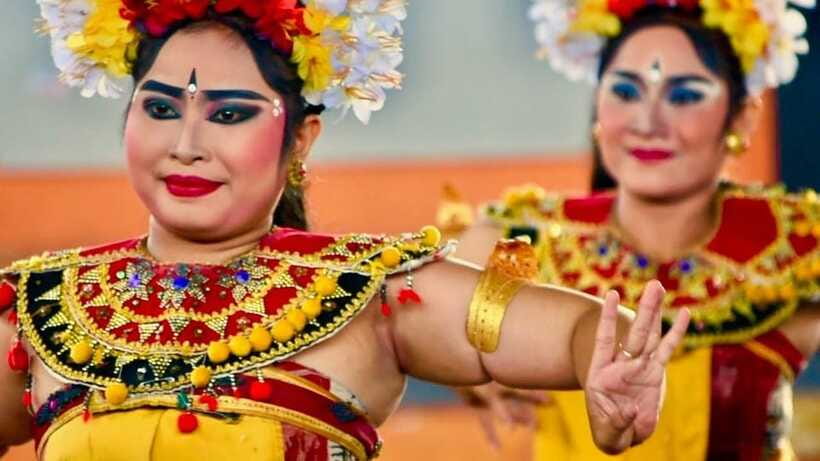
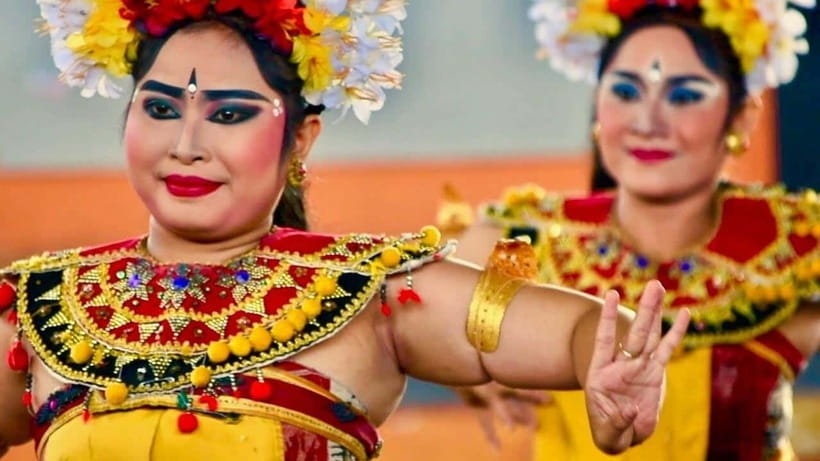
The costumes do much of the storytelling. A glance at Barong tells you that this is a guardian figure, while Rangda’s appearance signals danger before she even begins to move. The supporting performers add color and motion around the two main characters.
The acting is broad and easy to read from a distance. That suits a large performance space, but it can also feel exaggerated. The show is not trying to be a quiet, realistic play. It uses masks, gestures, music, and repeated movements to make the myth visible.
Bring a camera if you want photographs, but keep your attention on the performance itself. The masks and costumes are the main visual rewards, and the musicians provide details that are easy to miss if you spend the whole show looking through a screen.
Wear comfortable clothes and shoes. The activity involves travel, waiting, and sitting, and there is no benefit to dressing formally. Alcohol, drugs, littering, and making fires are not allowed.
Understanding the spiritual meaning
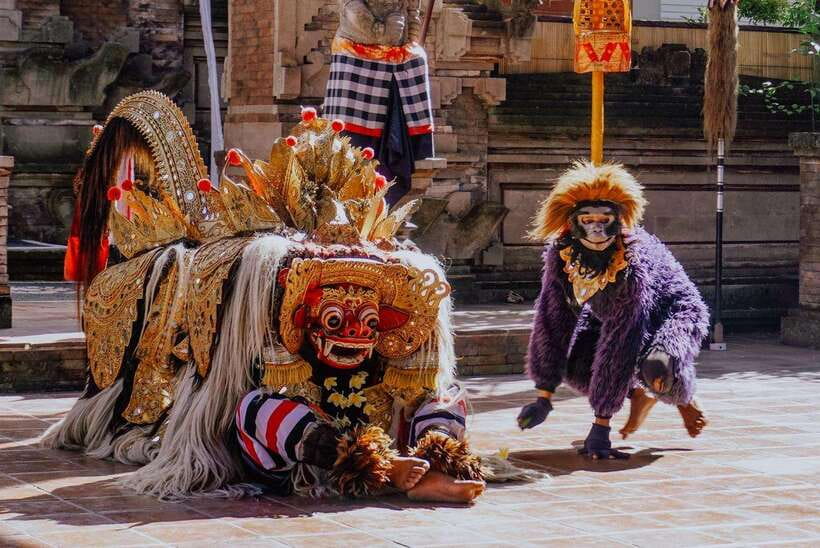
The Barong story reflects a Balinese idea that good and evil are opposing forces that continue to exist together. The ending is not simply a modern hero defeating a villain and sending evil away forever. The conflict has a more lasting, symbolic quality.
That context helps explain why the dance can feel stranger and less tidy than a Western stage story. Characters may appear, repeat actions, or shift between comic and serious moments without a clear explanation in English.
I recommend treating the show as a visual and musical tradition first, and a plot-driven theater performance second. You will get more from it if you notice the relationships between the characters, the changes in the gamelan, and the way the dancers use their masks.
The spiritual themes also explain why this performance matters beyond entertainment. Bali’s ceremonies, mythology, music, and dance are closely connected. Even in a staged public show, you are seeing an art form built around ideas that remain important in Balinese culture.
Is it suitable for children?
The performance is suitable for families and most age groups. Children often respond well to the large Barong costume, the dramatic Rangda character, and the music. A puppet segment included in some versions can also hold their attention.
The darker images may be intense for very young children. Rangda is designed to look frightening, and the battle scenes can be loud and theatrical. You know your child best, but older children are likely to follow the broad good-versus-evil story.
Babies under one year are not considered suitable for this activity. The show can also run long for a restless toddler, especially when transport and waiting time are added.
Handling the ticket and meeting the local representative
If you choose transport, the pickup process should be the easier route. The driver collects you at the stated time and returns you after the show, subject to the option you booked.
Without transport, you need to exchange the electronic voucher at the venue. Allow extra time for this rather than arriving at the last second. The meeting point can vary, and the local representative may not be immediately visible.
Keep your phone available on the day. One arrangement used a messaging update with a specific check-in window, while the actual ticket handover took place at the venue. That kind of last-minute coordination can feel disorganized, so patience and a little spare time will help.
The activity allows free cancellation up to 24 hours before the start for a full refund. Confirmation may take up to 48 hours after purchase, so do not wait until the final moments to verify your ticket and meeting instructions.
Who should book this experience?
I would choose this show if you want an inexpensive introduction to Balinese dance, especially if you are staying in or near Ubud and have a free morning. It also works well for families who want a colorful cultural activity without a full-day commitment.
It is a good match for you if you enjoy:
- Traditional costumes and masks
- Live gamelan music
- Mythology and symbolic storytelling
- Family-friendly performances
- Short cultural outings with optional transport
I would think twice if you need comfortable theater seating, a detailed English explanation, or a tightly edited performance. The story may remain confusing, some dancing may feel simple, and the puppet section can seem long.
Photographers, music lovers, and anyone curious about Balinese mythology will likely find the strongest value here. If your main interest is refined choreography, you may prefer a different dance presentation.
FAQ
Where is the Barong dance performed?
The traditional performance is located at Batubulan Village. The exact meeting point may vary according to the option you book.
What time does the Barong show start?
The listed Batubulan performance starts at 9:30 am. Another arrangement may use an evening schedule, with check-in from 6:00 to 6:30 pm and the show starting at 7:30 pm. Check your selected option carefully.
Is transportation included?
Transportation is included only when you select the pickup option. Private round-trip pickup covers Ubud, Denpasar, and Sanur.
Is there an extra transport charge from Kuta or Seminyak?
Yes. Pickup from Kuta, Seminyak, and Nusa Dua requires an additional 100,000 Indonesian rupiah in cash.
What does the show ticket include?
The entry ticket includes admission to the performance. Silver Class seating and pickup are included only if you select those options.
How long does the activity last?
The stated duration is between one and five hours. The total time depends on the selected performance and whether you use transport.
Is the show suitable for children?
Yes, the performance is suitable for families and most age groups. Babies under one year are not considered suitable.
What should I bring?
Bring comfortable shoes, comfortable clothing, and a camera if you want photographs.
Can I cancel the booking?
You can cancel up to 24 hours in advance for a full refund. Booking confirmation may arrive within 48 hours after purchase.
Should you book the Barong and Keris show?
Book it if you want a low-cost, colorful introduction to Bali’s traditional performance arts and you are comfortable with a story that may not be fully explained in English. The Barong costume, Rangda mask, and gamelan orchestra are the main reasons to go.
Choose the pickup option if you are staying in Ubud, Denpasar, or Sanur and want to avoid finding the venue and exchanging the voucher yourself. If you book independently, verify the time, venue, check-in instructions, and ticket collection details before leaving.
For about $6, this is a fair cultural experience with real visual appeal. Just arrive with realistic expectations: it is theatrical, sometimes strange, occasionally slow, and best enjoyed as a traditional Balinese spectacle rather than a perfectly explained stage play.
Newly added Ubud trips
- authentic Balinese organic cooking class in Ubud★ 5.0 · 4 reviews
- Farm-to-Table Balinese Cooking Experience★ 4.0 · 3 reviews
- Sunrise Jeep Tour Mount Batur Kintamani Bali★ 5.0 · 24 reviews
- Bali Amazing Cycling Tour★ 5.0 · 4 reviews
- coconut wine and coffee safary tour★ 5.0 · 16 reviews
- Nungnung Waterfall,Jatiluwih Heritage UNESCO and Bedugul Tour★ 5.0 · 5 reviews
- Authentic Balinese Cooking Class with Jewelry Making Class★ 5.0 · 3 reviews
- Bali Rural Village Bike★ 5.0 · 10 reviews
Balinese Dance Shows, compared.
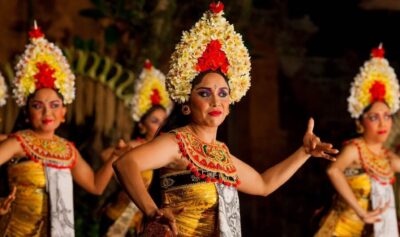

Uluwatu Sunset, Kecak Dance, and Dinner Jimbaran Beach
Read our review →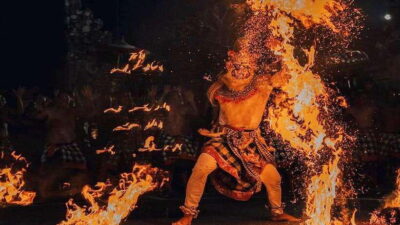
Dance Show + Dinner at Lost City – Story of Humanity
Read our review →
Half-Day Tour: Uluwatu Temple and Kecak Fire Dance Show
Read our review →
Private Tour: Full-Day Tanah Lot and Uluwatu Temples with Kecak Fire Dance Show
Read our review →
Admission Tickets for Kecak Dance & Uluwatu Temple Sunset
Read our review →Browse the lists this tour appears in