
Reviewed · UBUD CYCLING TOURS
Ubud Eco Culture Cycling Exploration
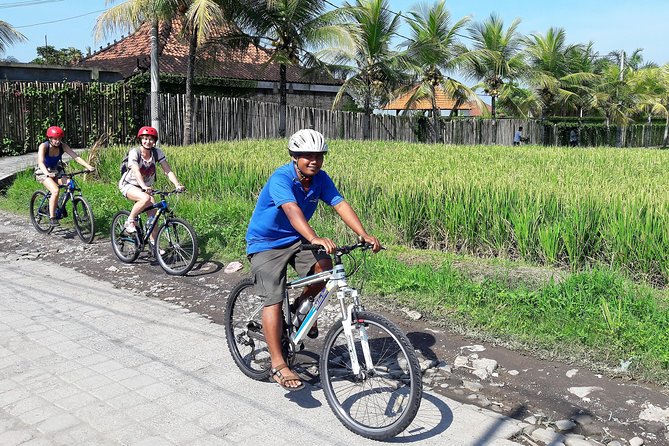
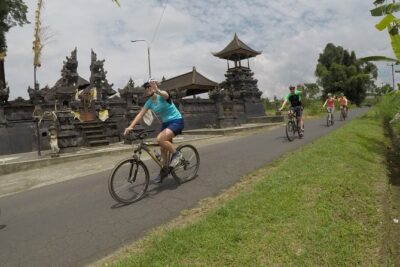
Ubud’s best scenery often begins where the traffic thins. This three-hour bicycle route takes you from Peliatan through quiet lanes, rice fields, small villages, and the Monkey Forest area, giving you a closer look at daily Balinese life than a car tour can offer. You cover about 15 kilometers, with frequent pauses for photographs, drinks, and local fruit.
I like the way the route mixes rural scenery and town streets, rather than keeping you in one setting. I also like the small touches: young coconut water, bottled water, snacks, and guides such as Gustu, Mudita, and Kadek who bring humor and local detail to the ride.
The main consideration is physical effort. The route includes some short uphill sections, and you need a good level of fitness. This is not the same as Bali Eco Tours’ full-day downhill trip with hotel transport, breakfast, lunch, and a waterfall stop. This half-day outing starts and finishes at the Peliatan soccer field.
Key points to know before booking
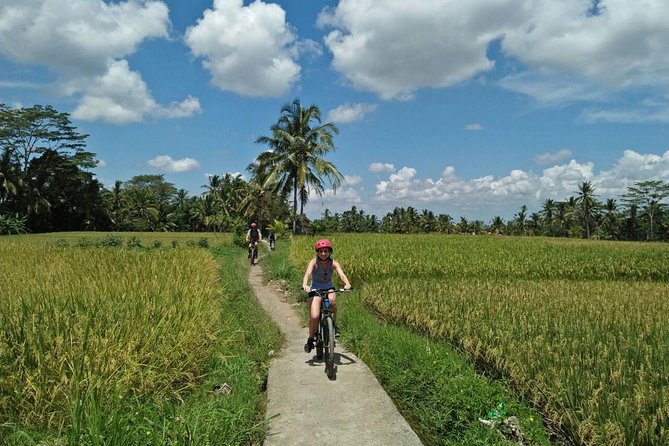
- About 15 kilometers through Ubud and nearby villages: Expect a mix of streets, country lanes, rice paddies, and village roads.
- A real morning workout: Some sections are downhill, but short uphill stretches require steady pedaling.
- Small-group feel: The maximum group size is eight people, allowing the guide to stop and adjust the pace.
- Local refreshments included: You receive bottled water, snacks, and young coconut water, with chances to try tropical fruit.
- No hotel pickup for this experience: You meet at SSB Garuda Peliatan at 9:00 a.m. and return there.
- Best for active visitors aged 10 and over: Wear sports shoes, active clothing, a hat, and sunscreen.
Why cycling works so well in Ubud
Ubud can be noisy and crowded along its main streets. A bicycle lets you move beyond the shopfronts and traffic without putting a car window between you and the countryside.
You hear the road, feel the changing surface, and notice the quick shift from town buildings to open fields. The bike also keeps you moving in the morning, when the heat is easier to manage. Several stops break up the ride, so you are not pedaling continuously for three hours.
I particularly like the scale of this trip. It is long enough to show you several sides of Ubud, but short enough to fit into a busy holiday schedule. You can ride in the morning and still have most of the day for temples, food, shopping, or rest.
The group limit of eight matters here. A large bike group can clog narrow lanes and make it harder to hear the guide. With fewer people, the guide can explain what you are seeing and pause when someone needs a breather or a photograph.
More cycling days around Ubud:
- Electric Cycling Tour of Ubud with Free Hotel Transfer and Lunch
★ 5.0 · 1,397 reviews - Ubud: Downhill Cycling with Volcano, Rice Terraces and Meal
★ 5.0 · 536 reviews - Half-Day Ubud Electric Cycling Tour to Tirta Empul Water Temple
★ 5.0 · 315 reviews
Meeting at Peliatan Soccer Field at 9:00 a.m.
The morning begins at SSB Garuda Peliatan, on Jl. Br Kalah in Peliatan. This is the start and end point, so you need to arrange your own way there and back.
After meeting the guide, you choose and adjust your bicycle. A short stretching session and safety briefing follow. This is the moment to speak up about saddle height, brakes, or any concern with the bike. Good adjustment makes a noticeable difference during a ride with both flat and sloping sections.
The tour includes the bicycle and all cycling equipment. You should arrive already dressed for exercise, with a short-sleeved shirt, shorts or other active wear, and sports shoes. A hat or cap and sunscreen are sensible choices, since some parts of the route pass through open fields.
The stated start time is 9:00 a.m., with riding beginning after the equipment check and briefing. The full activity lasts about two and a half to three hours, depending on the pace of the group and the length of the stops.
Sukma Street and the first look at Ubud
The route begins through Sukma Street and nearby town roads. This opening section helps you settle onto the bicycle before the countryside becomes the main attraction.
You get a feel for Ubud’s changing rhythm here. Some streets are part of the town’s familiar network, while others lead toward quieter lanes. The contrast is useful: Ubud is not one single postcard scene, but a place where busy roads, homes, temples, workshops, and fields sit close together.
Your guide provides commentary about the places you pass and Balinese heritage. The experience can also be adjusted around your interests, within the limits of the route and timing. If you are especially interested in village life, farming, art, or local customs, tell the guide early.
Do not expect a museum-style presentation. The value is in seeing the setting directly and asking questions while you ride. Guides including Gustu, Mudita, and Kadek have been singled out for their warmth, humor, and ability to explain the area in a personal way.
The Monkey Forest area and photo stops
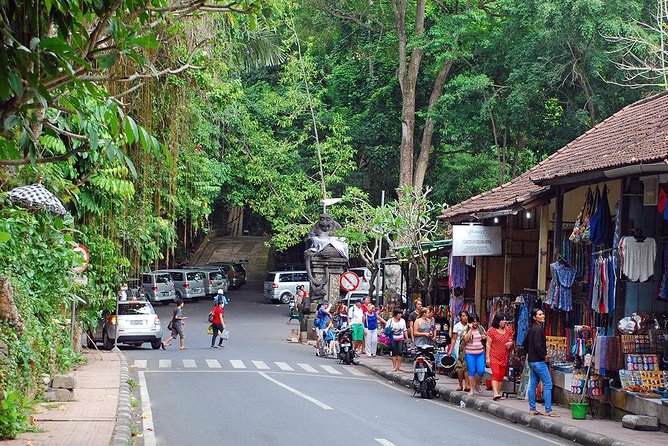
The ride then passes by the famous Ubud Monkey Forest. This is one of the better-known parts of Ubud, but seeing it from a bicycle gives you a different angle than arriving as a pedestrian among the crowds.
The route includes time for photographs. You may want a camera or phone that is easy to reach, but keep it secure while riding. The guide can indicate suitable moments to stop, rather than having you pull over suddenly on a busy stretch.
This part of the ride also shows why the route is more than a countryside excursion. You get a short look at Ubud’s familiar cultural center, then move away toward fields and villages. That change gives the morning a natural shape.
The Monkey Forest section may include more traffic than the country lanes later in the trip. Pay attention during the road portions and follow the guide’s directions. The ride is designed for people comfortable on a bicycle, not for complete beginners who are nervous around streets.
A completely different kind of day out from Ubud:
- All-Inclusive Ubud Private Tour
★ 5.0 · 14,344 reviews - Best of Ubud Full-Day Tour with Jungle Swing
★ 5.0 · 8,571 reviews - Ubud: Monkey Forest, Jungle Swing, Rice Terrace, and Water Temple
★ 5.0 · 7,160 reviews - Best of Ubud 1-Day Private Tour
★ 5.0 · 4,451 reviews
Abangan rice fields and young coconut water
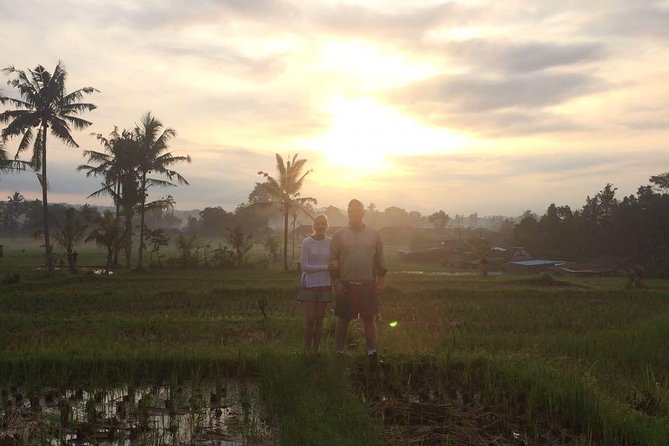
After the Monkey Forest area, the route heads toward the Abangan paddy fields. The road becomes more open, and the views widen across cultivated land.
This is a good place to slow down and look at how much of the area remains tied to farming. You may see working fields and traditional village surroundings rather than attractions built for sightseeing. The guide can explain more about local customs and the changing countryside as you pause.
A stop includes young coconut water, along with bottled water and snacks. The coconut is not just a pleasant refreshment in the heat. It gives the morning a local flavor and offers a useful break before the next section of cycling.
The route may also offer an optional visit connected with traditional Balinese painters. This is one of the more unusual details of the trip, since it links the countryside ride with Ubud’s long connection to art. The visit is optional, so the exact experience can depend on the group’s interests and available time.
You may also sample tropical fruit during the morning. One particularly memorable fruit mentioned by the guide team is salak, often called snake fruit because of its scaly skin. If you enjoy trying unfamiliar foods, this is a small but worthwhile part of the outing.
Junjungan’s open fields and the easier downhill sections
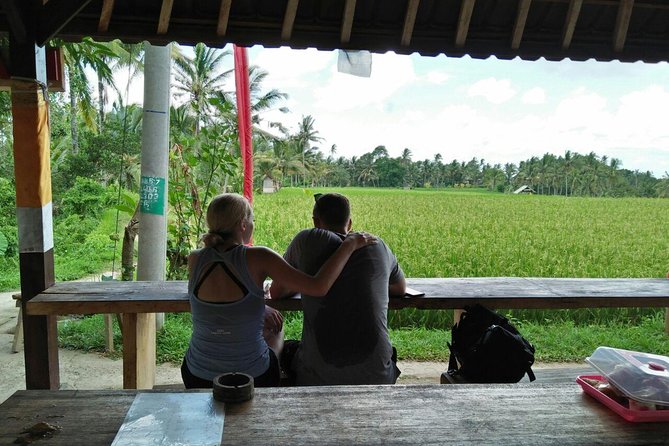
The ride continues through the wider paddy fields of Junjungan. This is one of the most open portions of the route, with more space around you and fewer town distractions.
Several sections are downhill, which gives your legs a break and creates a pleasant breeze as you ride. This does not mean the entire trip is an effortless coast. The route also contains short uphill stretches, and the total distance still makes this an active morning.
The exact balance can vary with the chosen route and group pace. One useful point is that guides communicate when an uphill section is coming. That lets you shift gears, conserve energy, and avoid treating every slope as a surprise.
If you are reasonably fit, the effort should feel manageable with the regular stops. If you rarely cycle or dislike hills, you should think carefully before booking. The activity information specifically calls for strong physical fitness and does not recommend it for children under 10.
The open fields are also where the ride feels most removed from central Ubud. You are not simply looking at rice paddies from a roadside stop. You are moving through the area at a human pace, with time to notice the paths, homes, and working land around you.
Jembawan village and the return toward central Ubud
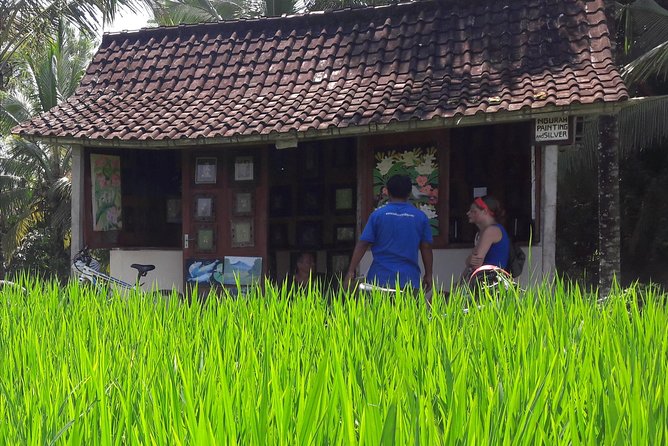
After Junjungan, the route passes through Jembawan village before heading back toward central Ubud. This return section shows another side of the area, with smaller roads and village settings that are easy to miss when you stay on the main routes.
The cycling is not only about views. The guide helps connect the roads to Balinese culture and local life, giving context to what you see. A house, field, or village lane becomes more meaningful when you understand how it fits into the wider community.
This is also where the ride’s route planning pays off. You begin in town, move through open agricultural areas, visit village roads, and finish near the place where you started. It feels like a proper loop rather than a short out-and-back ride.
The guide can stop for photographs or refreshments as needed. That flexibility is helpful for mixed-ability groups, although it does not remove the need for basic fitness. You still need to keep riding between stops and manage the full distance.
The activity ends back at the Peliatan soccer field. Plan your day around that fact. If you assumed a hotel pickup, a drop-off in central Ubud, or a finish at a different attraction, you will need to arrange those details yourself.
What the guides add to the morning
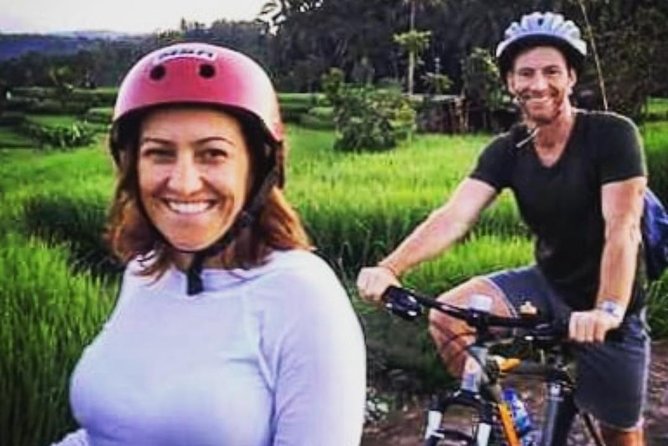
A bicycle tour can be reduced to equipment, roads, and scenery. The guide is what turns it into an explanation of place.
Gustu has been praised for being funny, attentive, and good at sharing information while keeping the group moving. Mudita is associated with fruit tasting and an easygoing style. Kadek has also been noted for being kind and helpful. Guide assignments can vary, so you should not book expecting one particular person unless the operator confirms it.
The strongest part of the guiding style is the personal connection to Ubud. The guides do not simply point at a rice field and name it. They can discuss local traditions, village life, and the way the area is changing.
This matters because the route passes through ordinary places. There may not be a major monument at every stop. The guide’s explanation gives those everyday scenes their meaning and helps you see more than a pleasant road.
The guide also manages the practical side of the ride. Expect advice about upcoming hills, regular pauses, and help with the bicycle if needed. You should still be comfortable making your own way on a bike and following road instructions.
Food, drinks, and equipment included
The price is $30.55 per person. For that amount, you receive the guided ride, bicycle equipment, young coconut water, bottled water, snacks, and chances to stop for local fruit.
I consider that fair value if you want an active introduction to Ubud rather than a simple rental. You are paying for a guide, route planning, cultural explanation, safety briefing, refreshments, and a small group capped at eight people.
Lunch is not included. This is a half-day activity, not a full-day cycling program. The separate full-day route is the one associated with hotel pickup, breakfast, snacks along the way, lunch, and a waterfall or swimming stop. Do not assume those extras belong to this shorter experience.
Hotel pickup and drop-off are also not included. The meeting point is specific, so check your transport plan before booking. If you are staying elsewhere in Bali, the value may change once you add the cost and time of reaching Peliatan.
Confirmation is provided at booking, and free cancellation is available if you cancel at least 24 hours before the local start time. Changes or cancellations made inside that window are not accepted for a refund.
Who should book this cycling route?
I would choose this tour if you want to see Ubud beyond its main streets and prefer doing something active in the morning. It suits adults and older children who are comfortable cycling, stopping often, and handling a few short climbs.
It is also a good fit if you have already visited Ubud’s major sights and want a more local-feeling look at the surrounding villages. The combination of rice fields, town streets, village roads, fruit tasting, and cultural commentary gives you a broad view in a short period.
You should be cautious if you have limited fitness, do not ride confidently on roads, or want a completely downhill route. The descriptions of the ride include some uphill sections, even though much of the route may trend downhill in places.
Families should note the minimum recommended age of 10. The ride is not recommended for younger children, and there is no promise that every child will find the distance or hills easy.
This is not the right choice if you want a long swim stop, a waterfall, hotel transport, or a full day of food and sightseeing. Those features belong to a different Bali Eco Tours program.
Should you book Ubud Eco Culture Cycling Exploration?
Book it if you want a reasonably priced, active way to see the edges of Ubud, with a small group, local guiding, and useful refreshments included. The strongest reasons are the route through rice fields and villages, the chance to try local fruit, and the personal style of guides such as Gustu and Mudita.
Skip it if you need door-to-door transport, dislike hills, or want a gentle sightseeing trip with no road riding. For a fit visitor who wants three hours of scenery and local context without giving up the rest of the day, this is a smart choice.
FAQ
How long does the cycling experience last?
The activity lasts approximately two and a half to three hours.
Where does the tour start?
It starts at SSB Garuda Peliatan, located on Jl. Br Kalah, Peliatan, Ubud, Bali.
What time should I arrive?
The stated start time is 9:00 a.m.
Does the tour include hotel pickup and drop-off?
No. You must make your own way to the Peliatan soccer field, and the activity ends back at the same meeting point.
How far do you cycle?
A typical route covers approximately 15 kilometers.
What is included in the price?
The price includes the guided bike tour, cycling equipment, young coconut water, bottled water, and snacks.
Is the tour suitable for young children?
The activity is not recommended for children under 10 years old. Participants should have a strong level of physical fitness.
Newly added Ubud trips
- authentic Balinese organic cooking class in Ubud★ 5.0 · 4 reviews
- Farm-to-Table Balinese Cooking Experience★ 4.0 · 3 reviews
- Sunrise Jeep Tour Mount Batur Kintamani Bali★ 5.0 · 24 reviews
- coconut wine and coffee safary tour★ 5.0 · 16 reviews
- Nungnung Waterfall,Jatiluwih Heritage UNESCO and Bedugul Tour★ 5.0 · 5 reviews
- Bali Amazing Cycling Tour★ 5.0 · 4 reviews
- Authentic Balinese Cooking Class with Jewelry Making Class★ 5.0 · 3 reviews
- Bali Rural Village Bike★ 5.0 · 10 reviews
Ubud Cycling Tours, compared.
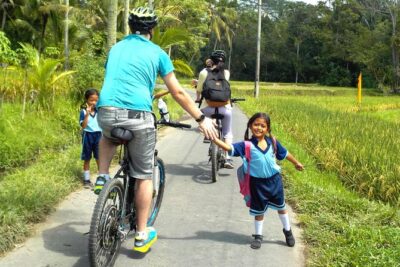
Electric Cycling Tour of Ubud with Free Hotel Transfer and Lunch
Read our review →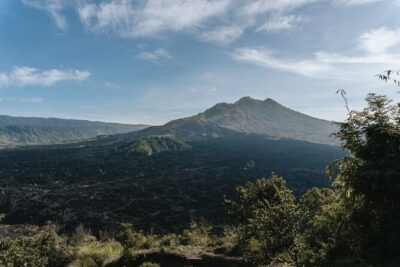
Downhill Cycling with Volcano, Rice Terraces and Meal
Read our review →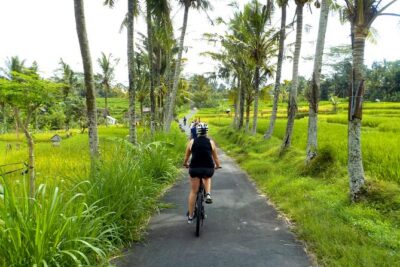
Half-Day Ubud Electric Cycling Tour to Tirta Empul Water Temple
Read our review →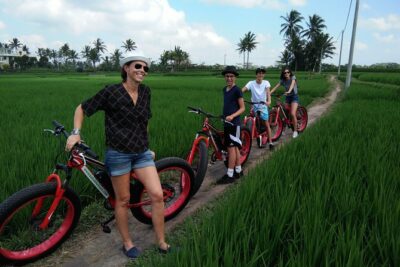
Kintamani Cultural and Nature Cycling Tour ( Manual Bike )
Read our review →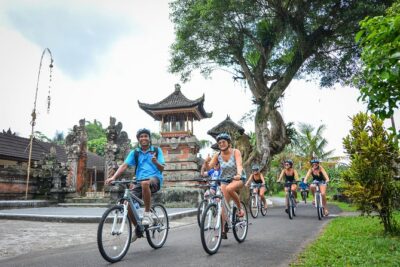
Browse the lists this tour appears in