
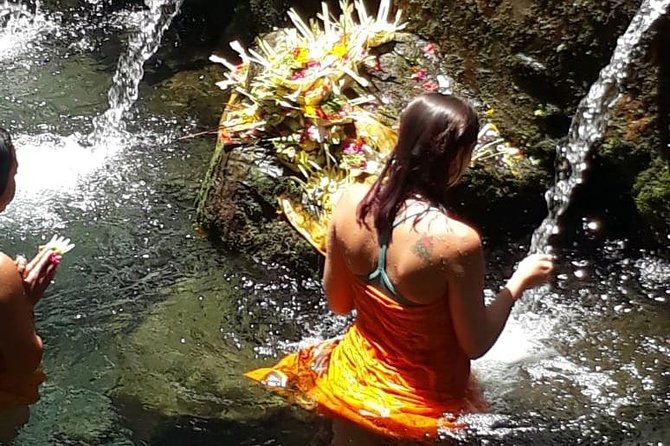
Reviewed · TIRTA EMPUL PURIFICATION CEREMONIES
Soul Purification at Pura Mengening in Bali
Pura Mengening offers something far more personal than a quick temple stop: a guided melukat purification ceremony using Bali’s sacred spring water. Putu Suciyati, her mother, and cousin explain each step, help prepare the offerings, and guide you through prayer and blessings in a small group of no more than five people.
I like the early 8 a.m. start, which can give you a quiet temple setting, and I like that the $45 price includes temple clothing, offerings, admission, snacks, and bottled water. The main drawback is practical: you must arrange your own transport, and the ceremony involves stairs and entering the water, so it is not suitable for everyone.
Key points to know before booking
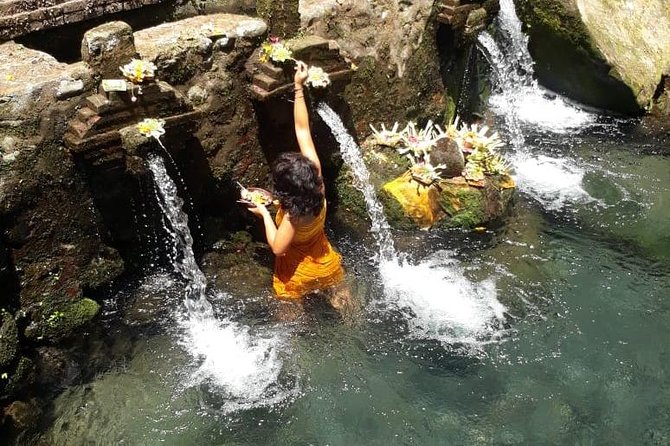
- Pura Mengening is the only stop, keeping the experience focused on the ceremony rather than a rushed tour of several sights.
- Putu Suciyati and her family guide the ritual, explaining the prayers, blessings, offerings, and meaning of the melukat process.
- The group is limited to five people, which allows for a quieter and more personal experience.
- Temple attire, offerings, admission, snacks, and bottled water are included, but you need to bring a towel and bathing suit.
- The ceremony begins at 8 a.m. and lasts about three hours, ending back at the meeting point.
- Women who are menstruating cannot participate, and you should be physically fit enough to manage temple stairs.
What Melukat Means at Pura Mengening
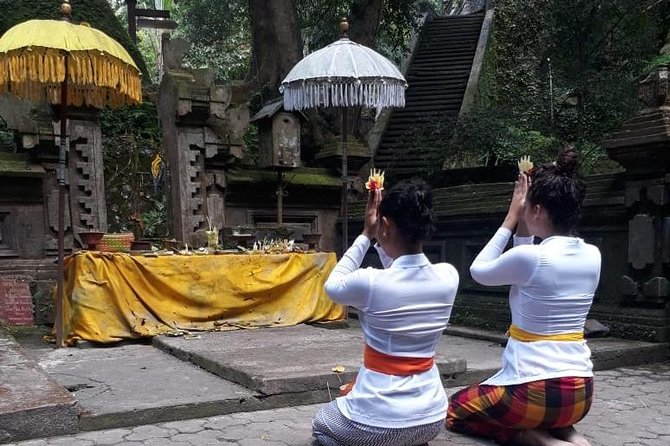
Melukat is a Balinese holy-water purification ritual. It is intended to cleanse the body, mind, and spirit, using water as the central element. The ceremony may appeal to you as a spiritual practice, a cultural experience, or simply a quiet moment to think about what you want to release and what you want to carry forward.
The activity is presented as an experience to approach with an intention. That intention could be emotional release, greater clarity, healing, improved relationships, or a wish to let go of negative attachments. You are not required to frame it in any particular religious way, but you should arrive with respect for the ceremony and the temple where it takes place.
I like this focus because it gives the visit a clear purpose. You are not just standing beside a pool of holy water for a photograph. You are being guided through a set of actions with explanations along the way. Still, it is worth knowing that this is a genuine religious ritual, not a spa treatment or a theatrical cultural show.
Pura Mengening is in Tampaksiring, in Gianyar Regency, east of Ubud. The meeting point is on Jalan Tirta No. 25M in Sareseda. Since transportation is not included, you need to plan your route to the temple before the morning begins. The activity ends at the same meeting point.
More purification ceremonies at the water temples:
- Ubud: Monkey Forest, Jungle Swing, Rice Terrace, and Water Temple
★ 5.0 · 7,160 reviews - Half-Day Ubud Electric Cycling Tour to Tirta Empul Water Temple
★ 5.0 · 315 reviews - Ubud Tour – Balinese Healing By Shaman And Self Purification
★ 5.0 · 236 reviews
Arriving for the 8 a.m. Ceremony
The early start is one of the strongest practical features. An 8 a.m. meeting time leaves room for a calm beginning, and the small group size helps keep the setting intimate. Several detailed accounts of the experience describe the temple as especially peaceful at this hour, with the early timing helping participants have much of the site to themselves.
That quiet matters here. A purification ritual can feel awkward if you are surrounded by a large tour group, people talking loudly, or a steady stream of photographers. A maximum of five participants gives Putu and her family room to explain what is happening and answer questions without turning the ceremony into a performance.
You should not expect a standard sightseeing schedule with many stops. There is one stop, Pura Mengening, and the approximately three-hour visit is built around the temple and the ceremony. That makes this a good choice if you want one meaningful cultural activity rather than a packed morning of Bali attractions.
At the same time, an early appointment requires planning. The provider does not include transportation, and the meeting point is not listed as a hotel pickup location. Arrange your own ride and allow enough time to reach Tampaksiring. A late arrival could be particularly disruptive for a ritual that begins at a set time.
Meeting Putu and Her Family
Putu Suciyati leads the experience with help from her mother and cousin. Their role is central. They prepare the ceremony materials, explain the steps, guide the prayers and blessings, and help you understand what you are doing.
This personal guidance is one of the best reasons to choose this activity instead of trying to visit a holy-water temple without help. Balinese temple customs can be difficult to read from the outside. Knowing when to pray, how to handle offerings, and how to move through the ritual respectfully is much easier when someone explains each stage.
Putu is described as speaking excellent English, which is useful for an experience that depends on clear instruction. You should be able to ask questions about the ceremony and receive an explanation of its purpose rather than simply copying the people around you.
The family element also gives the experience a more intimate feel. The setting is not presented as a large commercial operation. The group limit and direct involvement of Putu, her mother, and cousin mean you spend the morning with the people guiding the ritual instead of being passed from one staff member to another.
That said, personal guidance does not mean the ceremony is tailored to every belief system. You should be comfortable taking part in a Balinese religious practice and following the instructions given at the temple. If you are looking only for a general cultural introduction with no spiritual component, a temple sightseeing visit may suit you better.
The Ceremony, Step by Step
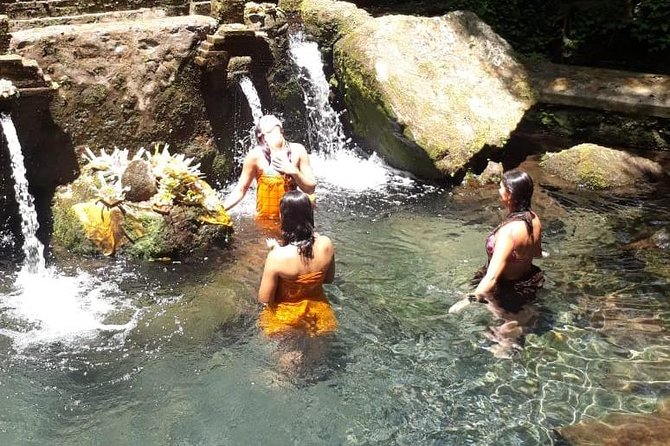
The exact sequence can vary according to the temple’s practice and the guidance of the family, so you should let Putu explain the order on the day. The supplied details make clear that the experience includes prayers, blessings, offerings, and holy-water purification.
You begin by receiving temple attire and preparing for the ceremony. Temple clothing is included, which saves you from having to arrange a separate rental or worry about bringing the correct garments. Offerings and temple admission are also covered in the price.
The explanations are an important part of the experience. Putu and her family prepare the materials and describe the purpose of the different steps. This helps you take part with care instead of treating the ritual as a series of unexplained movements.
The melukat itself uses holy water as a means of purification. Water is understood here as a life-giving element that can help cleanse the mind, heart, and spirit. The physical act of entering or using the water is connected to the intention you bring to the ceremony.
You should be ready for some time in or around water. A bathing suit and towel are not provided, so pack both. The activity description does not provide a detailed account of changing facilities or the exact water sequence, so ask the guide for instructions when you arrive and follow the temple’s rules.
The ceremony concludes with blessings and time to reflect on the experience. Light Balinese snacks and bottled water are provided, giving the morning a simple social finish. These small touches matter after a ritual that may feel emotionally or physically demanding, although the exact snacks are not specified.
More healers and blessing ceremonies in Ubud:
- Melukat Ceremony and Temple Tour at Tirta Empul Temple
★ 5.0 · 218 reviews - Meditate with a Shaman
★ 5.0 · 77 reviews - Ubud: Monkey Forest, Rice Terraces & Sacred Temples
★ 5.0 · 69 reviews - A Day Retreat In Ubud
★ 5.0 · 51 reviews
Why the Small Group Makes a Difference
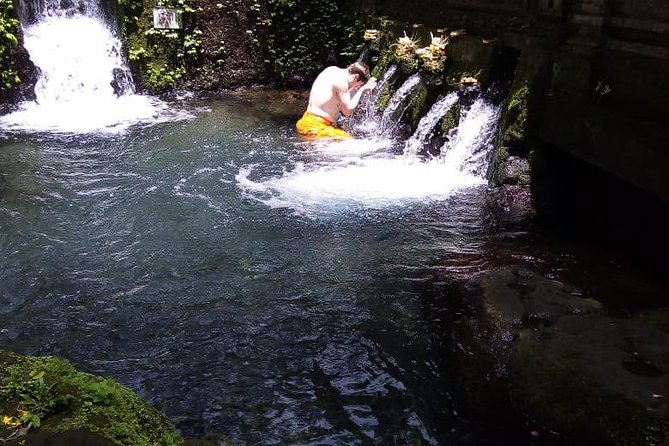
A maximum of five people is a real advantage. It is large enough to share the experience with friends or family, but small enough for direct attention from the guides. You are less likely to feel anonymous, and Putu can explain details without having to repeat everything to a large crowd.
The size also helps protect the quiet character of Pura Mengening. A holy-water ceremony benefits from a measured pace. You have more room to listen, ask questions, and stay focused on the ritual rather than worrying about keeping up with a crowd.
The group limit may matter most if you are booking as part of a retreat or with close friends. The ceremony has been used by groups as a meaningful shared experience, and the setting allows everyone to take part together.
There is one trade-off. A small activity can fill quickly, especially because there are only five places available at a time. If the date and start time matter to you, book ahead rather than assuming you can arrange it at the last minute.
What the $45 Price Includes
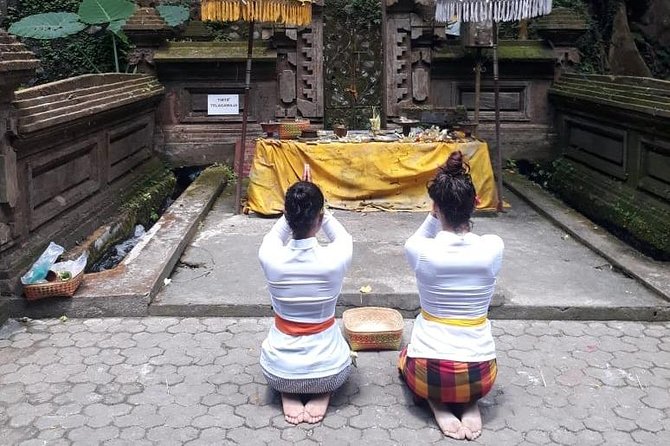
At $45 per person, this is not just an admission ticket. The price covers temple attire, offerings, admission, bottled water, and Balinese light snacks. It also pays for direct guidance through a religious ceremony that would be difficult to understand fully on your own.
I see the strongest value in the preparation and personal instruction. Temple clothing removes one practical concern, and included offerings mean you do not have to work out what to bring for the ceremony. The small group makes the cost easier to justify if you value individual attention.
The price does not include transportation, a towel, or a bathing suit. Those are modest extra requirements, but they are easy to overlook. Plan your transport separately and pack suitable clothing before leaving your accommodation.
The value depends on what you want from Bali. If you are comparing this with a quick temple visit, it costs more because it is a guided participatory ritual lasting about three hours. If you want a personal cultural and spiritual experience, the included items and family guidance make the price reasonable.
Clothing, Fitness, and Temple Etiquette
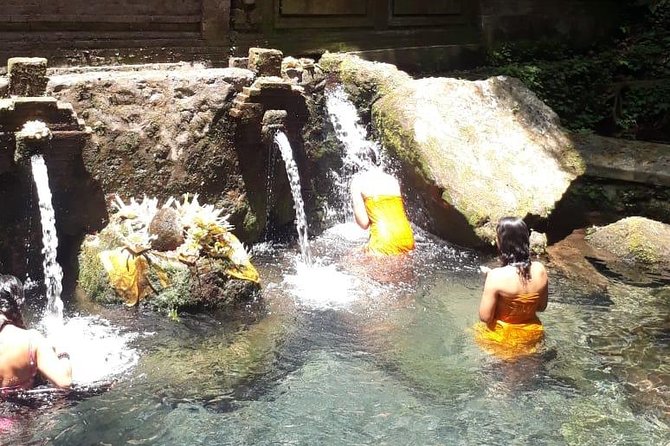
Temple attire is provided, but you should still dress in a way that allows easy changing and modest movement. Bring a bathing suit and towel. The ceremony involves holy water, so normal sightseeing clothes may not be practical for the full activity.
You should be physically healthy and fit enough to manage stairs at the temple. The activity is not described as strenuous, but the presence of stairs means it is not completely effortless. If you have difficulty with steps, consider that before booking.
A specific temple rule is important: women who are menstruating are strictly not allowed to participate. This is a religious requirement stated for the activity, not an optional suggestion. If there is any chance this will affect your date, check the timing before you book.
Respectful behavior is essential. Listen to the guide, follow instructions about offerings and prayer, and avoid treating the ceremony as a photo opportunity. The guides explain the details, so you do not need prior knowledge, but you do need patience and an open mind.
Who Will Get the Most from This Experience
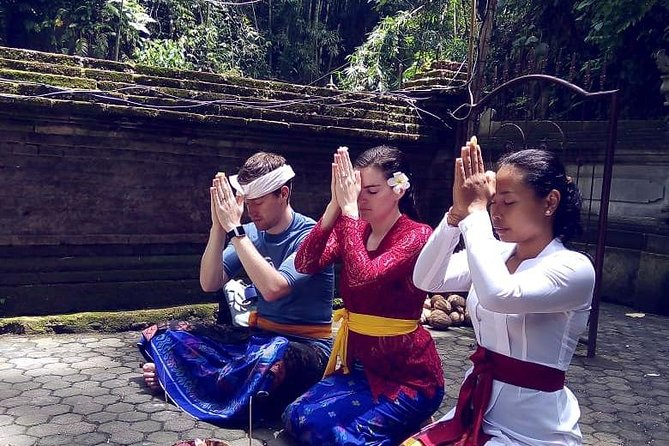
I would recommend this activity to you if you want a quiet, guided encounter with Balinese spiritual practice. It suits people who value explanation, personal attention, and a slower morning rather than a list of famous sights.
It is also a good fit for couples, close friends, retreat groups, and solo participants who want a structured experience. The five-person limit keeps the atmosphere personal, and the family guidance gives you a direct connection to the people conducting the ceremony.
You may want to choose another activity if you dislike entering water, cannot manage temple stairs, or prefer not to take part in religious rituals. It is also a poor fit if you need hotel transportation included or want a flexible start time.
The experience is not designed as a broad introduction to Ubud. You will not visit several temples or combine it with a market, rice terrace, or cooking class. Its strength is concentration: one temple, one ceremony, and time to focus.
Booking and Cancellation Details
Confirmation is provided when you book, and most people can participate as long as they are physically healthy and fit for the stairs. The activity starts at 8 a.m., lasts about three hours, and returns to the Pura Mengening meeting point.
You can cancel for a full refund if you do so at least 24 hours before the local start time. Cancellations made less than 24 hours before the start are not refunded, and changes inside that window are not accepted.
Because transportation is not included, make that arrangement before the morning of the ceremony. Bring your bathing suit and towel, and check that the date works with the temple’s rule concerning menstruation.
Should You Book Pura Mengening?
Book it if you want a sincere, small-group Balinese ceremony with clear guidance from Putu Suciyati and her family. The quiet temple setting, personal explanations, included attire and offerings, and focused three-hour format give this experience more substance than a quick stop for photographs.
Skip it if you want an easy sightseeing tour with hotel pickup, several attractions, or no physical participation. You need to arrange transport, manage stairs, bring water clothing and a towel, and approach the ceremony respectfully.
For the right person, the $45 cost buys a carefully guided cultural experience rather than a simple temple entrance. Go with a clear intention, arrive prepared, and allow the morning to unfold at its own pace.
FAQ
Where does the purification ceremony take place?
The ceremony takes place at Pura Mengening, Jalan Tirta No. 25M, Sareseda, Tampaksiring, Gianyar, Bali 80552, Indonesia.
What time does the activity start?
The experience starts at 8 a.m.
How long does the experience last?
The activity lasts approximately three hours and ends back at the Pura Mengening meeting point.
Is transportation included?
No. You must arrange your own transportation to and from the meeting point.
What is included in the price?
The price includes bottled water, temple attire, offerings, temple admission, and Balinese light snacks.
What should I bring?
You need to bring a towel and bathing suit. These are not included.
Can I cancel for a refund?
Yes. You can receive a full refund if you cancel at least 24 hours before the experience’s local start time. Cancellations or changes made less than 24 hours before the start are not accepted or refunded.
More temple days out of Ubud
- Full-Day Tour to Water Temples and UNESCO Rice Terraces in Bali
★ 5.0 · 2,539 reviews - Bali Instagram: Gate of Heaven Temple Tour
★ 5.0 · 737 reviews - Ubud Tour with Monkey Forest Waterfalls Temples and More
★ 5.0 · 495 reviews - Ubud Top Attractions: Waterfalls, Temples and Rice Terraces
★ 5.0 · 460 reviews
Newly added Ubud trips
- authentic Balinese organic cooking class in Ubud★ 5.0 · 4 reviews
- Farm-to-Table Balinese Cooking Experience★ 4.0 · 3 reviews
- Sunrise Jeep Tour Mount Batur Kintamani Bali★ 5.0 · 24 reviews
- coconut wine and coffee safary tour★ 5.0 · 16 reviews
- Nungnung Waterfall,Jatiluwih Heritage UNESCO and Bedugul Tour★ 5.0 · 5 reviews
- Bali Amazing Cycling Tour★ 5.0 · 4 reviews
- Authentic Balinese Cooking Class with Jewelry Making Class★ 5.0 · 3 reviews
- Bali Rural Village Bike★ 5.0 · 10 reviews
Tirta Empul Purification Ceremonies, compared.

Monkey Forest, Jungle Swing, Rice Terrace, and Water Temple
Read our review →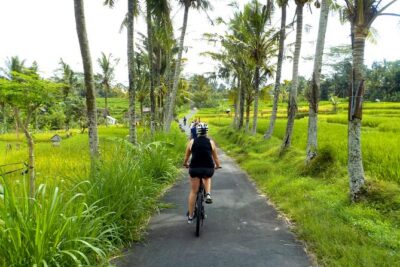
Half-Day Ubud Electric Cycling Tour to Tirta Empul Water Temple
Read our review →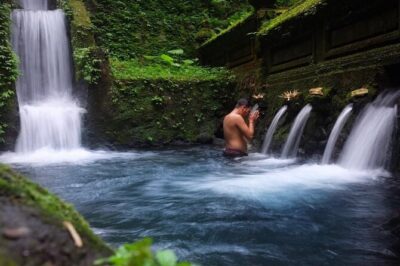
Ubud Tour – Balinese Healing By Shaman And Self Purification
Read our review →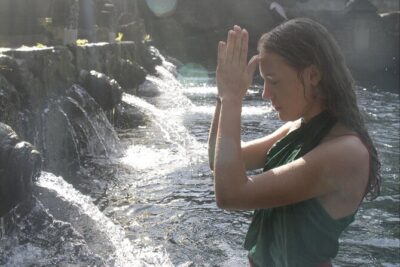
Melukat Ceremony and Temple Tour at Tirta Empul Temple
Read our review →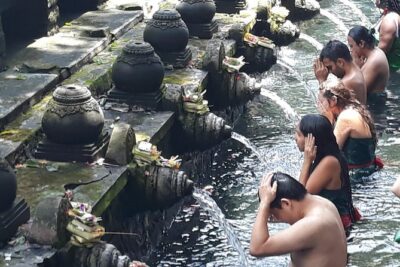
Skip the Line Tirta Empul Temple Entrance Ticket All Inclusive
Read our review →
Ubud Private Tour – Waterfalls, Water Temple & Rice Terraces
Read our review →
Ubud Tirta Empul Temple Tour with Purification Experience
Read our review →Browse the lists this tour appears in