
Reviewed · UBUD BALINESE HEALING CEREMONIES
Bali Spiritual Shamanic-Palm Reading, Temple Healing Tour
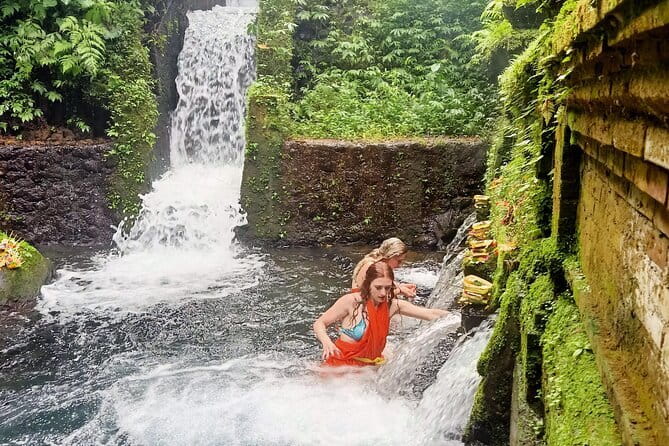
The heart of this Ubud experience is the water purification at Tirta Empul, where a priest leads you through a Balinese cleansing ritual at sacred springs. The day then moves to Goa Gajah, an 11th-century temple site, before a private meeting with a local healer for palm reading, mantra treatment, or both.
I like two things right away: the tour is private, so your group can set the pace, and the price includes the priest’s donation, temple entrance fees, hotel pickup and drop-off, a sarong, offerings, and bottled water. The guides, including Ade, Gede, Gusty, and Dek Kembar Bagus, are also praised for their warmth, English, cultural knowledge, and helpful photography.
The main thing to consider is that this is a spiritual experience, not a standard sightseeing day. You’ll need an open mind, modest temple clothing, and a swimsuit or changing clothes for the springs. Lunch costs extra, and the schedule can occupy most of your day.
Key points to know before booking
- Tirta Empul is the centerpiece: Plan to change clothes and enter the sacred springs as part of a priest-led purification ritual.
- You choose the final healing activity: Pick a traditional palm reading, a mantra healing session, or both, depending on the option offered.
- The tour is private: Only your own group takes part, which gives you more room for questions and reflection.
- Goa Gajah adds a historical stop: The 11th-century Elephant Cave temple gives the day a cultural anchor beyond its spiritual focus.
- Guides make a real difference: Ade, Gede, Gusty, and Dek Kembar Bagus are among the named guides connected with especially warm, personal experiences.
- Pack for water and temple rules: Bring a swimsuit or changing clothes, a towel, and lunch money. A sarong and temple offering are supplied.
A spiritual day built around Tirta Empul
This tour is designed for people who want more than a quick look at Bali’s temples. You’ll spend part of the day learning how Balinese shamanism fits into local spiritual life, then take part in rituals rather than simply watching them from the edge.
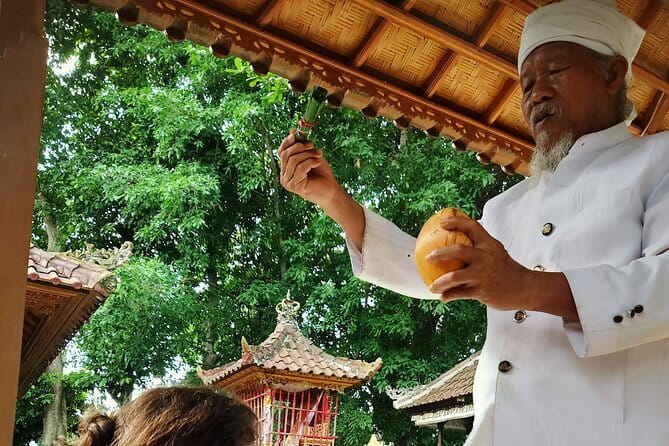
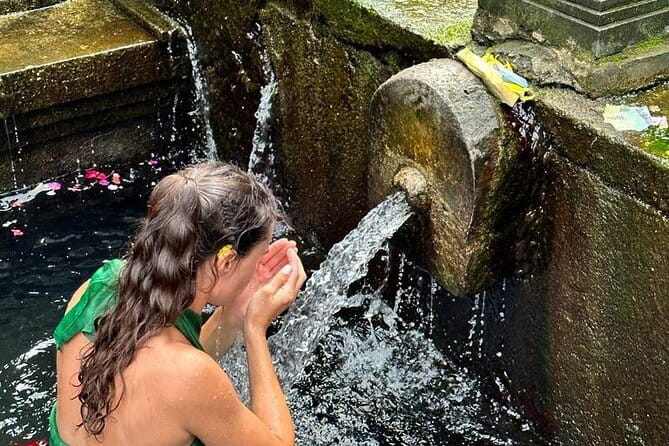
The first major stop is Tirta Empul Temple. The site is known here as a water temple, and the activity includes a cleansing ritual in its sacred springs. A priest leads the process, while your guide explains what you are doing and why the ceremony matters.
The appeal is clear. You are not rushing through a large sightseeing circuit with a guide pointing out carvings from a distance. You take time to meditate, prepare an offering, and follow the ritual steps. For many people, this will be the most memorable part of the day.
You should still approach the ceremony with respect. Water purification is a religious act, not a spa treatment or a photo opportunity. Bring a swimsuit, a towel, and dry clothes. The supplied information specifically advises changing clothes or wearing swimwear, so do not arrive expecting to remain fully dressed throughout the spring ritual.
A sarong and canang, the temple offering, are included. The donation for the priest is also covered, which keeps the day simple once you arrive. Your guide should help you understand the practical details, but you can ask questions before the ritual begins if anything is unclear.
More healers and blessing ceremonies in Ubud:
- Ubud Tour – Balinese Healing By Shaman And Self Purification
★ 5.0 · 236 reviews - Melukat Ceremony and Temple Tour at Tirta Empul Temple
★ 5.0 · 218 reviews - Meditate with a Shaman
★ 5.0 · 77 reviews
What happens at the sacred springs
The Tirta Empul visit is scheduled for about three hours, making it the longest stop of the day. That time matters because you are doing more than entering the temple, taking a few pictures, and leaving.
You can expect a period of preparation, temple time, meditation, and the water ritual itself. The guide is there to explain the customs and help your group move through the experience respectfully. The private format should also make it easier to pause, ask questions, or take a quiet moment without worrying about keeping up with a large group.
The experience may feel personal, but it is not presented as a promise of medical treatment or guaranteed spiritual change. The language of cleansing and removing negative energy belongs to the ritual’s spiritual setting. I would treat it as a cultural and personal experience, not a substitute for professional medical or mental health care.
That distinction helps you get more from the day. If you arrive hoping for a dramatic supernatural event, you may leave disappointed. If you are willing to listen, take part respectfully, and accept that the meaning of the ritual is personal, Tirta Empul can be a powerful stop.
Goa Gajah and the 11th-century temple setting
The second stop is Goa Gajah, also called Elephant Cave. You have about two hours here, and entrance is included.
This stop changes the pace. After the quiet focus of the spring ritual, you spend time at an older temple site connected with Bali’s religious and cultural past. The site is described as dating to the 11th century and as an old UNESCO heritage site in the tour information.
Goa Gajah gives the day some historical balance. Without it, the tour could feel like a single ritual followed by a private healing session. Here, you get a chance to look at a major temple location and connect the spiritual practices of the day with Bali’s older sacred places.
Two hours is enough to avoid a rushed visit, though the exact rhythm depends on your guide and group. You may spend more time listening to explanations, taking photographs, or simply walking through the site. The tour does not promise a long formal history lecture, so ask your guide about the temple’s features if you want more context.
The private setup helps here too. A guide such as Ade, Gede, Gusty, or Dek Kembar Bagus can adjust the amount of explanation to your interest. Some people will want details about the temple. Others will prefer a slower visit after the water ceremony.
Meeting a healer in a local setting

The final two-hour stop takes place in the Ubud Gianyar area at a local place where you meet the healer. This is where you choose between the available options: a traditional palm reading, a mantra healing session, or both.
A palm reading is likely to appeal to you if you want a personal conversation tied to Balinese spiritual practice. The tour describes it as a shamanic palm reading, so expect the session to be framed in that tradition rather than as a casual fortune-telling game.
The mantra treatment offers a different kind of experience. It centers on spoken spiritual practice and healing, with the local shaman guiding the session. The information does not specify the exact format or length of each option, so confirm your choice with the guide before the day begins.
The tour lets you choose an option, but the wording also indicates that both may be available. If you want the full experience, ask whether both sessions fit within the allotted time and whether an extra charge applies. The supplied details say admission is included, but they do not break down individual healer fees, so it is sensible to confirm what your selected option covers.
This is also the point where your own expectations matter most. You may find the session thoughtful and moving, especially if you enjoy symbolic or spiritual traditions. You may find it less comfortable if you prefer firm, evidence-based explanations. The tour is best for someone who can take part with curiosity without treating every statement as a fact.
More temple days out of Ubud:
- Ubud: Monkey Forest, Jungle Swing, Rice Terrace, and Water Temple
★ 5.0 · 7,160 reviews - Full-Day Tour to Water Temples and UNESCO Rice Terraces in Bali
★ 5.0 · 2,539 reviews - Bali Instagram: Gate of Heaven Temple Tour
★ 5.0 · 737 reviews - Ubud Tour with Monkey Forest Waterfalls Temples and More
★ 5.0 · 495 reviews
The guides and the private format
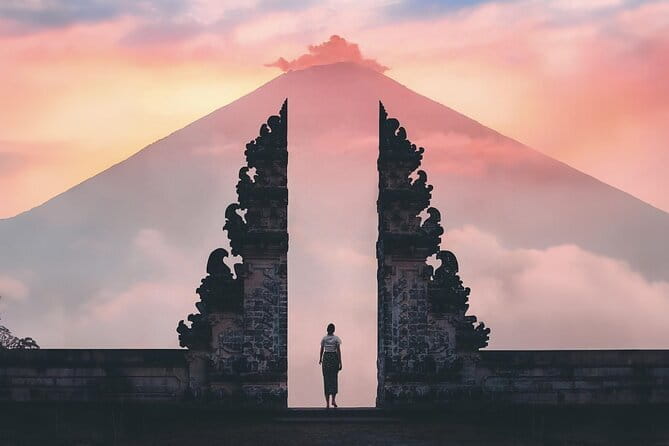
The private nature of this tour is one of its strongest practical features. Only your group participates, so the guide can give more attention to your questions and adjust the pace to your interests.
Several guides are associated with the experience. Ade is described as kind and well informed about the activities. Gede is praised for being accommodating throughout a family healing day. Gusty receives especially strong personal praise from someone who chose to book further tours with him after the first. Dek Kembar Bagus is described as positive, fluent in English, well informed, and skilled at taking photographs.
You should not assume that you will receive a particular guide unless the booking process confirms it. Still, these names are useful to know when you communicate with the operator. If a specific guide matters to you, ask before booking.
The private arrangement is particularly useful for families, couples, and small groups with different comfort levels. You can ask for more explanation, take a break, or spend longer at the temple without being tied to a large coach schedule. The trade-off is that the experience depends heavily on the guide assigned to your group.
What the $75 price covers
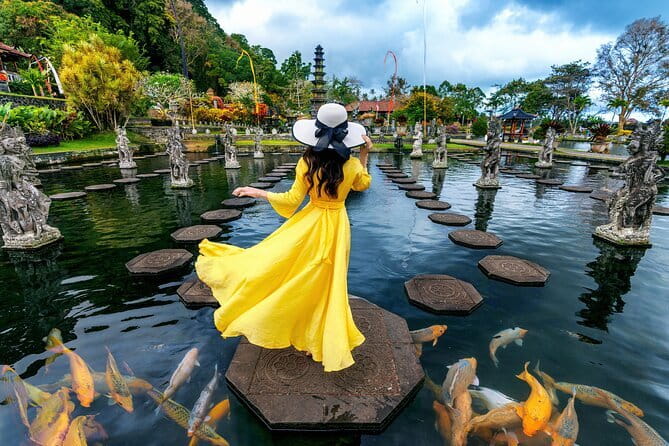
At $75 per person, the tour offers solid value if you want several services combined into one private day. The price includes hotel pickup and drop-off, a live guide, admission fees, the priest’s donation, bottled water, a temple sarong, and a canang offering.
The admission fees alone are not the main reason to book. You are paying for the combination of transport, planning, cultural explanation, ritual access, and a private guide. You also avoid arranging separate visits to Tirta Empul, Goa Gajah, and a healer’s location.
The value is strongest for a group that wants a focused spiritual day without handling each detail independently. A private tour can also be worthwhile for families or friends who want to share the same ritual and discuss it afterward.
Lunch is not included. The expected cost is around $10, so keep some money available. The tour runs about six to eight hours, which means lunch planning matters. Ask your guide when and where the meal break will happen, since the supplied schedule does not name a restaurant or exact lunch time.
Group discounts are available, though the amount is not stated. If you are booking for several people, check the total price rather than assuming the per-person rate will remain unchanged.
Timing, pickup, and what to pack
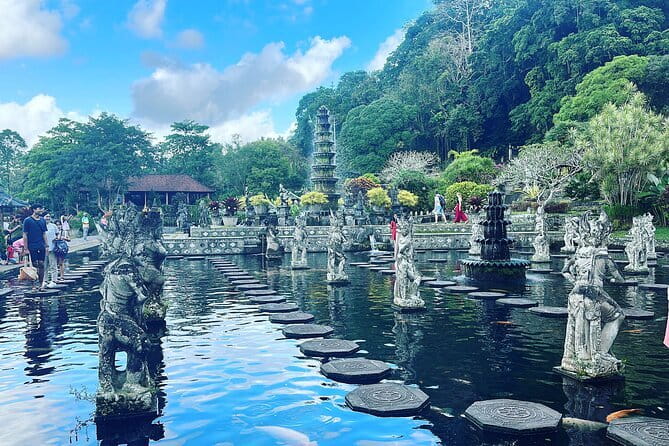
The full experience lasts approximately six to eight hours. The three main stops are planned for about three hours at Tirta Empul, two hours at Goa Gajah, and two hours with the healer. Driving time and the meal break fit around those visits.
Pickup is offered, and hotel pickup and drop-off are listed as included. At the same time, the meeting point is Ubud Palace on Jalan Raya Ubud, with the activity ending back at that meeting point. Because those details can vary by booking, confirm the pickup arrangement and final return point before the day starts.
You should bring:
- A swimsuit or clothes suitable for changing
- A towel
- Dry clothing for after the purification ritual
- Around $10 for lunch
- A phone or camera, if you want photographs
The tour supplies bottled water, a sarong, and the temple offering. Wear clothing that is easy to adjust for temple visits, and expect to follow local rules about modest dress.
Most people can take part, and the tour is near public transportation. Still, the water ritual requires you to change and enter the springs, so consider your own comfort and mobility before booking.
Who will enjoy this Ubud experience
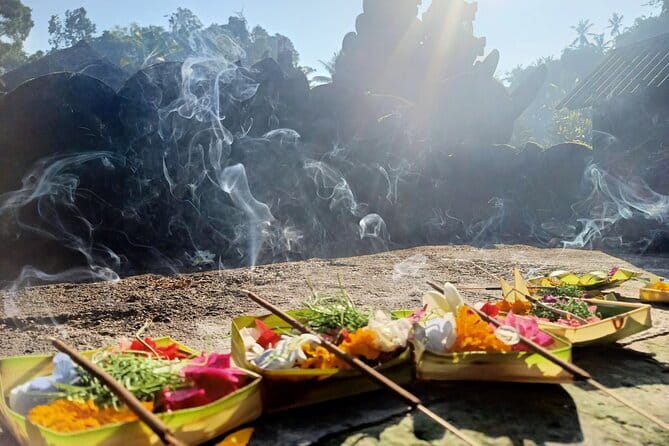
I would recommend this tour to you if you want a personal introduction to Balinese spiritual customs and prefer a private day over a large group outing. It is also a good match if you have already seen several temples and now want to take part in a ritual with guidance.
Families may appreciate the flexible private format, especially if they want a slower pace. Couples and small groups may enjoy having the palm reading or mantra session as a shared experience. The comments connected with the tour include a family healing day, which fits the way the schedule brings several people into one reflective activity.
You should think twice if you want a purely historical tour. Goa Gajah adds cultural context, but the main purpose is spiritual practice. This is also not ideal if you dislike water rituals, temple customs, or personal healing sessions.
The palm reading and mantra work are optional choices, so you have some control over the final part of the day. Ask clear questions about the available choices and what each session involves before you commit.
Should you book it?
Book this tour if you want a private, full-day introduction to Balinese purification, temple culture, and local healing traditions. The strongest reasons are the priest-led Tirta Empul ritual, the included practical costs, and the chance to choose a palm reading, mantra healing, or both.
I would skip it if you want a fast temple tour, a conventional history lesson, or a clearly defined wellness treatment. The best approach is to arrive respectful, curious, and ready to participate. Bring a swimsuit and towel, confirm hotel pickup, ask which guide is assigned, and clarify your healing option before the day begins.
FAQ
How long does the tour last?
The experience lasts approximately six to eight hours.
Is the tour private?
Yes. Only your group participates in the activity.
Where does the tour start and end?
The stated meeting point is Ubud Palace, Jalan Raya Ubud No. 8. The activity ends back at the meeting point, although hotel pickup and drop-off are also listed as included, so confirm the exact arrangement when booking.
Is hotel pickup included?
Yes. Hotel pickup and drop-off are included, but you should confirm the pickup details because Ubud Palace is also provided as the meeting point.
What should I bring?
Bring a swimsuit or changing clothes, a towel, and money for lunch. A sarong, temple offering, and bottled water are included.
Is lunch included?
No. Lunch costs extra and is estimated at around $10.
Can I cancel for a full refund?
Yes. You can cancel for a full refund if you do so at least 24 hours before the experience start time. Cancellations or changes made less than 24 hours before the start time are not accepted for a refund.
Newly added Ubud trips
- authentic Balinese organic cooking class in Ubud★ 5.0 · 4 reviews
- Farm-to-Table Balinese Cooking Experience★ 4.0 · 3 reviews
- Sunrise Jeep Tour Mount Batur Kintamani Bali★ 5.0 · 24 reviews
- Bali Amazing Cycling Tour★ 5.0 · 4 reviews
- coconut wine and coffee safary tour★ 5.0 · 16 reviews
- Nungnung Waterfall,Jatiluwih Heritage UNESCO and Bedugul Tour★ 5.0 · 5 reviews
- Authentic Balinese Cooking Class with Jewelry Making Class★ 5.0 · 3 reviews
- Bali Rural Village Bike★ 5.0 · 10 reviews
Ubud Balinese Healing Ceremonies, compared.
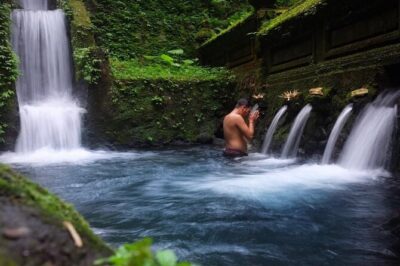
Ubud Tour – Balinese Healing By Shaman And Self Purification
Read our review →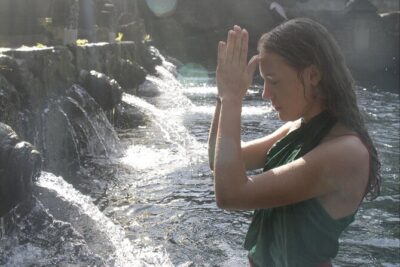
Melukat Ceremony and Temple Tour at Tirta Empul Temple
Read our review →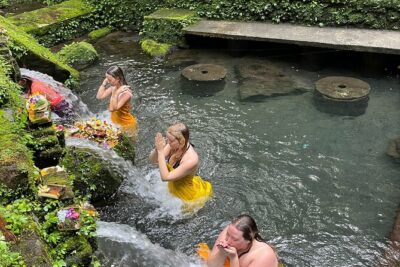


Discover Ubud: Exotism Ubud and Optional Meet the Bali Shaman
Read our review →
[All Inclusive] The Soul of Bali: Temples, Art & Traditions Tour
Read our review →Browse the lists this tour appears in