
Reviewed · JATILUWIH RICE TERRACE TOURS
Bali UNESCO Sites: Water Temples and Jatiluwih Rice Terrace Tour
Bali’s water temples and rice fields make most sense when you see them as parts of one living system. This private day links Taman Ayun, Ulun Danu Bratan, the Jatiluwih rice terraces, and Tanah Lot, with a driver-guide explaining how faith, royal power, lakes, and the subak irrigation system shape the island.
I like the private format, especially for a solo guest or a couple that wants to ask questions and adjust the pace. I also like the range: cool upland temples, broad rice-field views, and a sea temple at sunset all fit into one long day. Guides including Juli, Gede, Mika, and Teget have been praised for careful driving, local insight, and help finding good photo spots.
The tradeoff is time. This is about nine and a half hours, and Bali’s roads can turn a simple route into a long one. The optional stops may sound tempting, but trying to add too many waterfalls, springs, gardens, and photo locations could make the main four sites feel rushed.
Key points to know before booking
- The route covers four very different sights: Taman Ayun’s royal gardens, Ulun Danu’s lake setting, Jatiluwih’s rolling paddies, and Tanah Lot’s sunset view.
- Your guide is also your driver: Juli, Gede, Mika, or Teget may lead the day, offering cultural explanations and practical help with photos.
- The private vehicle matters: Pickup and drop-off are offered in Ubud, Gianyar, Sanur, Kuta, Legian, Seminyak, Canggu, Jimbaran, Nusa Dua, and Denpasar.
- The ticket option needs checking: Entry tickets are included only if you select the ticket-included option when booking.
- The day is best for flexible sightseers: You can ask questions, spend more time at a favorite stop, or skip optional add-ons if the schedule gets tight.
- The price is strong for a private day: At $38.18 per person, the value is especially good for two or more people sharing the vehicle, assuming your selected option includes the entry tickets.
Why the private format works well in Bali
Public transport is not a practical way to connect these four sites in one day. They sit in different parts of Bali, and the route includes temple grounds, highland roads, rice terraces, and the coast. A private air-conditioned vehicle removes the need to arrange several separate rides.
You get pickup at 8:30 am, with return transport included. The broad pickup area is useful, but your exact driving time depends on where you stay. A group based in Ubud will usually have a more efficient start than one leaving from the farther southern beach areas.
The guide-driver setup keeps the cost down while making the day personal. This is not a large bus tour with a fixed commentary track. You have one guide to ask about Balinese Hindu customs, temple design, irrigation, and local life. Juli has been particularly appreciated for patience and conversation, while Gede is praised for explaining Balinese history, Hinduism, and culture in an entertaining way.
For a solo guest, the private setup is a real advantage. Solo bookings can be awkward on some day trips, but this experience accepts one-person groups. You will pay the listed per-person price, yet you get a day built around your own questions and interests.
More trips out to the Jatiluwih terraces:
- West Bali Tour: Taman Ayun, Ulun Danu Beratan, Jatiluwih Rice Terrace, Tanah Lot
★ 5.0 · 122 reviews - Private Full-Day Handara, Ulun Danu, Jatiluwih and Tanah Lot Tour
★ 5.0 · 63 reviews - Jatiluwih Batukaru Mountain Nature’s Best Tour
★ 4.5 · 31 reviews
Taman Ayun, a royal temple in a garden setting
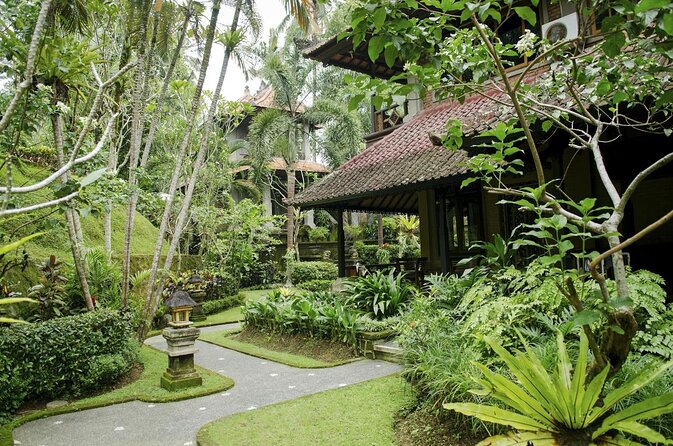
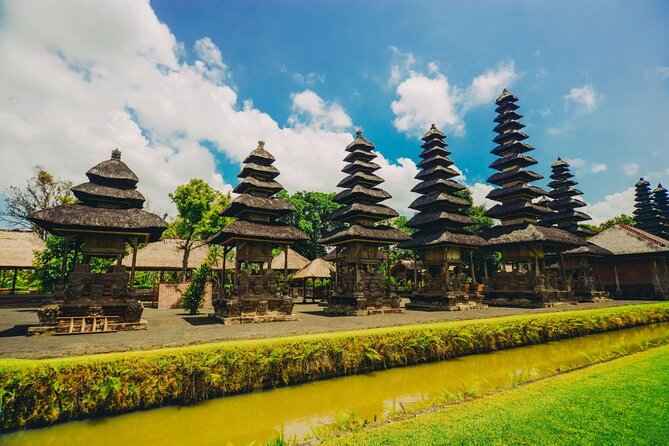
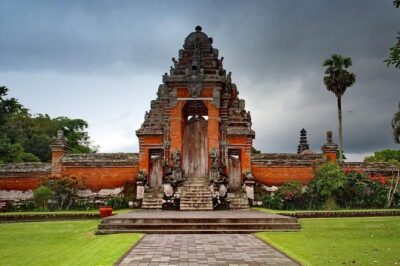
The first main stop is Taman Ayun Temple, a 17th-century temple known for its tall, pagoda-like shrines and green gardens. Plan on about an hour here.
The setting gives you a gentle introduction to Balinese temple architecture. Rather than beginning with a crowded coastal viewpoint or a long walk, you start among lawns, water, and carefully arranged religious buildings. The temple’s royal connection adds context: this is not simply a scenic structure placed for photographs.
Your guide can help explain what you are seeing, including the role of the multi-tiered shrines and the relationship between temple compounds and Balinese Hindu practice. Take time to look beyond the tallest towers. The garden setting is part of the appeal, and it gives the site a calmer feel than some of Bali’s more famous stops.
An hour is enough for a focused visit, but not for a slow architectural study. If temple design interests you, tell your guide early in the day. The private format makes that request easier than it would be in a fixed group.
Ulun Danu Bratan and the lake goddess
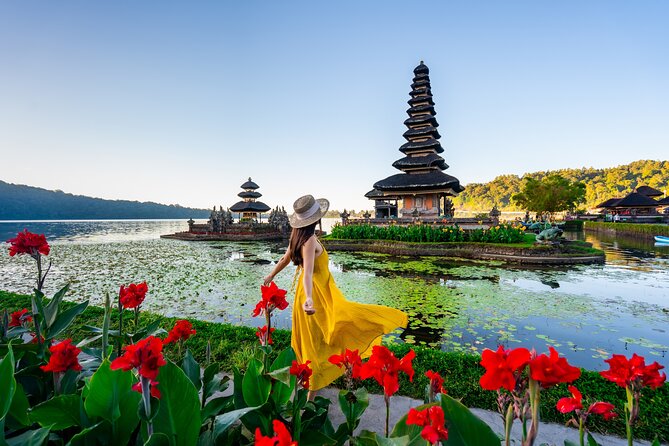
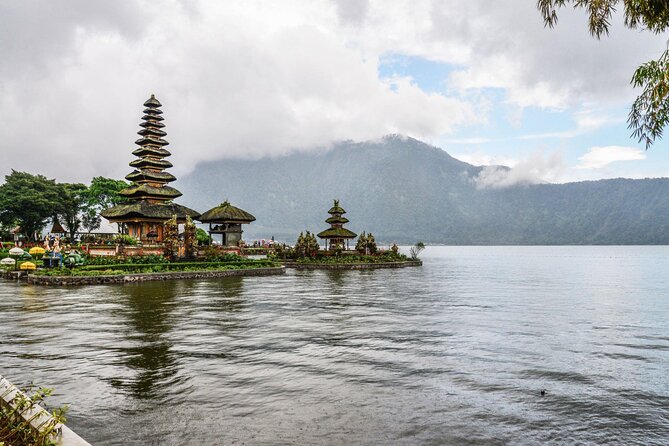
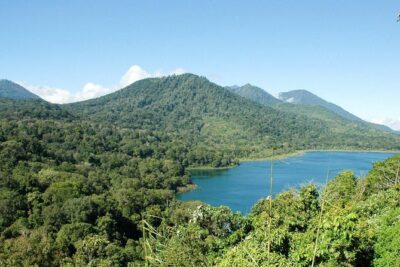
Ulun Danu Bratan is the image many people carry in their heads when they picture Bali: a temple complex beside, and seemingly floating on, Lake Bratan. The temple honors Dewi Danu, the lake goddess, and the water setting gives the visit its special character.
You have about an hour here. That is enough to see the principal buildings, walk through the grounds, and frame photographs across the water. The lake and upland setting also bring a change in mood from Taman Ayun. Expect cooler central Bali air and a more open view.
This stop is highly photogenic, but the photographs are only half the reason to come. The temple reflects how water is treated as a sacred force in Bali. That idea connects directly with the subak system that organizes irrigation for rice cultivation.
The grounds can be busy, and the weather in the highlands may be less predictable than on the coast. Bring a light layer and do not judge the stop only by a single viewpoint. Ask your guide to explain the lake’s religious role, since that turns a quick photo stop into a more meaningful visit.
Jatiluwih, where subak becomes visible
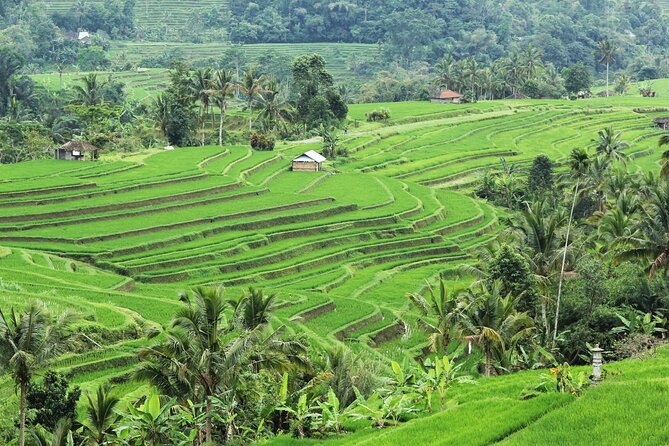
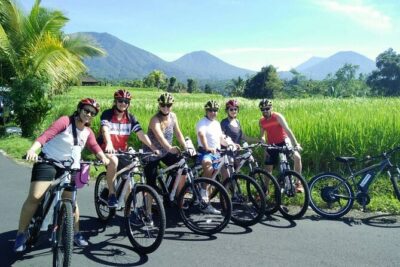
Jatiluwih Green Land is the heart of the day for anyone interested in Bali’s rice-growing culture. You get about an hour to see the broad slopes of paddies, with terraces rolling across the hills rather than appearing as a small decorative patch.
The subak irrigation system is the key idea here. It is not just a method for moving water. It links farmers, temples, ceremonies, and shared rules for growing rice. The UNESCO World Heritage recognition relates to this cultural system and its traditional rice-growing setting.
This is where I would ask your guide to slow down and explain how the system works. The views are easy to admire, but the human organization behind them is what makes Jatiluwih more than a pretty field. The guide’s local explanations can help you notice channels, planting areas, slopes, and the way religious practice fits into farming life.
The one-hour stop gives you a useful overview, though it is not a full walking exploration. If you want a long trek through the paddies, this tour may feel too brief. On the other hand, the shorter visit lets you cover the other major sites in the same day.
Your photographs will change with the weather. Bright sun brings strong greens, while cloud can give the hills a softer appearance. Either way, this is one of the tour’s most substantial stops, not merely a quick roadside photo break.
More rice terrace walks around Ubud:
- Ubud: Monkey Forest, Jungle Swing, Rice Terrace, and Water Temple
★ 5.0 · 7,160 reviews - Full-Day Tour to Water Temples and UNESCO Rice Terraces in Bali
★ 5.0 · 2,539 reviews - Ubud: Downhill Cycling with Volcano, Rice Terraces and Meal
★ 5.0 · 536 reviews - Ubud eBikes Tour to Tegallalang Rice Terrace
★ 5.0 · 507 reviews
Tanah Lot at sunset
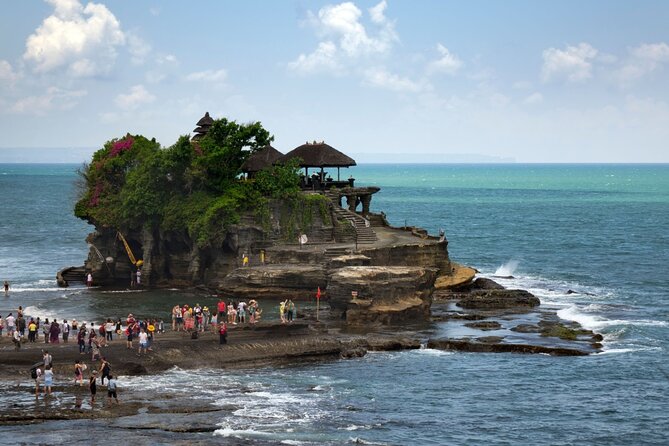
Tanah Lot closes the main itinerary with a sea temple perched on a rocky islet off Bali’s coast. The planned visit lasts about an hour and a half, giving you the best chance to see the temple area and wait for sunset.
The timing is the point. Tanah Lot is a popular place, but the late light gives the coast a different feel from the inland temples. The temple silhouette, rocks, and sea create the day’s strongest contrast with the green hills of Jatiluwih.
Be prepared for a busy setting. Tanah Lot is one of Bali’s best-known sights, and the sunset period draws many people. Your guide can help you find a useful place for photographs, a service praised in connection with Juli and Gede. Still, the experience depends on conditions. Clouds can soften or block the sunset, and no guide can control the weather.
The long final stop is sensible. Rushing through Tanah Lot just to reach a return deadline would miss the reason for coming late in the day. If you are staying in south Bali, the return may be convenient. If you are returning to Ubud after sunset, expect a late finish.
Optional stops and the risk of overloading the day
The route includes a long menu of possible additions if time permits. These include waterfalls, hot springs, a butterfly park, botanical gardens, more rice-field viewpoints, a caldera lake, an ogoh-ogoh museum, a Buddha temple, beaches, and several photo locations.
That flexibility sounds attractive, but the four main stops already fill the day. Waterfalls can require extra driving and walking, while hot springs or a beach would change the purpose of the tour. Ask your guide at the start which optional stop is realistic, rather than trying to collect every possible add-on.
The ogoh-ogoh museum is a more culturally focused option. Ogoh-ogoh are large ceremonial figures connected with Balinese tradition, so this stop may suit you better than another photo viewpoint if you want more cultural explanation.
The natural options offer variety, but they are less central to the advertised temple and rice-field theme. A waterfall or hot spring might be a good choice if you have already seen Bali’s main temples. On this particular day, I would protect time at Jatiluwih and Tanah Lot first.
What the $38.18 price really buys
At $38.18 per person, this is an appealing price for a private full-day outing. The package includes transport in a private air-conditioned vehicle, an English-speaking guide-driver, bottled water, and parking fees. Pickup and return are available across a large part of Bali.
The main point to check is admission. Entry tickets are included only with the option that specifically includes them. If you select a lower-priced version without tickets, your final cost will be higher once you pay at the sites.
The value improves when two or more people share the vehicle. You avoid arranging separate transport for four major sights, and you get the ability to ask for explanations or photo help without waiting for a group. For one person, the price is still reasonable if personal attention matters, though a shared group trip could cost less.
Food and drinks are not included, so budget for meals or purchases during the day. Gratuities are optional. Bottled water is provided, which is useful on a long route with several stops.
Who should book this day?
I would recommend this tour to a first-time Bali visitor who wants a strong overview of temples, rice cultivation, highland scenery, and the coast in one outing. It also suits couples, families, and solo guests who value a private vehicle and an adjustable conversation with the guide.
It is a good fit if you enjoy taking photographs but also want cultural context. Guides such as Juli, Gede, Mika, and Teget are praised for careful driving, patience, local explanations, and help with pictures. When booking, you can request a guide if the operator allows it, but the supplied details do not guarantee a particular person.
This is less suitable if you dislike long road days or want extended walks at every site. The main stops are fairly compact, but the route covers a lot of ground. It is also not the right choice if your main goal is hiking waterfalls, soaking in springs, or spending a full day at the beach.
Most people can participate, and the tour is private for your group. Specific mobility details are not provided, so ask the operator before booking if you need help with stairs, uneven temple grounds, or waterfall access.
Practical details for a smoother day
Start with a clear conversation about priorities. Tell the guide if you care most about Hindu temples, rice farming, photographs, sunset, or optional nature stops. That helps protect your favorite parts of the route when traffic or weather reduces the available time.
Wear practical clothing for a long day out. Temple visits in Bali call for respectful dress, and comfortable footwear will help if your route includes extra walking. The supplied information does not list a dress code, so confirm current temple requirements with the guide.
The tour starts at 8:30 am. Pickup is offered from Ubud and Gianyar, as well as Sanur, Kuta, Legian, Seminyak, Canggu, Jimbaran, Nusa Dua, and Denpasar. Confirm your pickup point when booking, especially if your accommodation lies outside the named areas.
Free cancellation is available until 24 hours before the start time. Cancellations or changes made less than 24 hours ahead are not refunded or accepted, with cut-off times based on Bali’s local time.
Should you book the Bali UNESCO Sites tour?
Book it if you want one private day that explains how Bali’s temples, water, and rice farming connect. The strongest parts are the personal guide service, the broad range of scenery, Jatiluwih’s cultural value, and the sunset finish at Tanah Lot.
Before paying, confirm two things: that your pickup location is covered and that you have selected the ticket-included option if you want admissions handled. I would also agree on optional stops in advance. Keep the main four sites as your priority, and this $38.18 experience offers a lot for the money.
FAQ
How long does the tour last?
The tour lasts approximately 9 hours and 30 minutes, beginning at 8:30 am.
Is this a private tour?
Yes. Only your group participates, and transportation is provided by private air-conditioned vehicle.
What locations offer pickup?
Pickup and drop-off are offered in Ubud and Gianyar, Sanur, Kuta, Legian, Seminyak, Canggu, Jimbaran, Nusa Dua, and Denpasar.
Are entry tickets included?
Entry tickets are included only if you select the option that includes tickets. Check the specific option before booking.
Is food included?
No. Food and beverages are not included, though they are available for purchase.
What is the cancellation policy?
You can cancel for a full refund up to 24 hours before the experience starts. Cancellations or changes made less than 24 hours before the start time are not accepted or refunded.
More temple days out of Ubud
- Bali Instagram: Gate of Heaven Temple Tour
★ 5.0 · 737 reviews - Ubud Tour with Monkey Forest Waterfalls Temples and More
★ 5.0 · 495 reviews - Ubud Top Attractions: Waterfalls, Temples and Rice Terraces
★ 5.0 · 460 reviews - Private Tour: Uluwatu Temple & Southern Bali Highlights
★ 5.0 · 387 reviews
Newly added Ubud trips
- authentic Balinese organic cooking class in Ubud★ 5.0 · 4 reviews
- Farm-to-Table Balinese Cooking Experience★ 4.0 · 3 reviews
- Sunrise Jeep Tour Mount Batur Kintamani Bali★ 5.0 · 24 reviews
- coconut wine and coffee safary tour★ 5.0 · 16 reviews
- Nungnung Waterfall,Jatiluwih Heritage UNESCO and Bedugul Tour★ 5.0 · 5 reviews
- Bali Amazing Cycling Tour★ 5.0 · 4 reviews
- Authentic Balinese Cooking Class with Jewelry Making Class★ 5.0 · 3 reviews
- Bali Rural Village Bike★ 5.0 · 10 reviews
Jatiluwih Rice Terrace Tours, compared.
West Bali Tour: Taman Ayun, Ulun Danu Beratan, Jatiluwih Rice Terrace, Tanah Lot
Read our review →
Private Full-Day Handara, Ulun Danu, Jatiluwih and Tanah Lot Tour
Read our review →
Private Jatiluwih Rice Terraces Heritage Site and Culture Tour
Read our review →
Tanah Lot – Jatiluwih (UNESCO) – Bedugul and Ulun Danu Temple Tour
Read our review →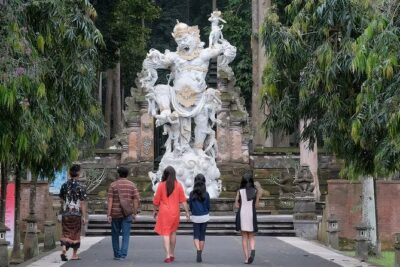
Jatiluwih Spiritual Journey of Melukat with Rice Terrace View
Read our review →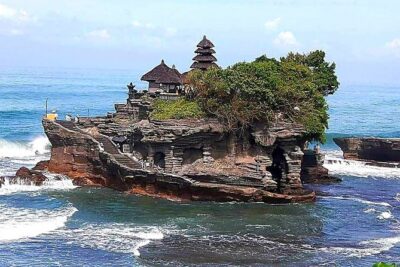
Tanah Lot and Jatiluwih Unesco Rice Terrace Private Tour
Read our review →Browse the lists this tour appears in