
Reviewed · JATILUWIH RICE TERRACE TOURS
Jatiluwih Batukaru Mountain Nature’s Best Tour
The best part of this day is the change of pace. You leave Bali’s beach towns and traffic behind, then head into the farming country around Mount Batukaru, where rice terraces, spice gardens, village life, and a quiet forest temple replace souvenir stalls and resort walls. Jatiluwih’s layered paddies are the visual star, but Pura Luhur Batukaru gives the day its strongest sense of place.
I like the small-group format, which can mean a more personal day and plenty of time for questions. I also like the guides who have made this outing memorable, including Darta, Rody, Radiawan, Benny, Arya, and Rai A. The main caution is time: traffic can make the ride long, and some departures have included craft workshops and shopping stops that were not clearly part of the advertised plan.
Key points to know before booking
- Jatiluwih Rice Terraces: Spend about two hours among Bali’s famous curved rice fields and learn how farming supports the local community.
- Pura Luhur Batukaru: Visit a remote Hindu temple in thick forest, with mossy paths, shrines, and a quiet setting.
- Small groups: The tour is promoted as personalized, but the stated maximum is 15 people. Some departures have had only two to six participants.
- Hotel transport: Pickup and drop-off are offered from major hotels in Kuta, Seminyak, Sanur, Jimbaran, and Nusa Dua.
- Extra stops can vary: Batik, silver, spice, and coffee visits have appeared on some outings and may involve shopping.
- Plan for a long day: The scheduled length is about eight hours, beginning at 8:30 a.m., though traffic can stretch the return.
Leaving Bali’s south for the Batukaru foothills
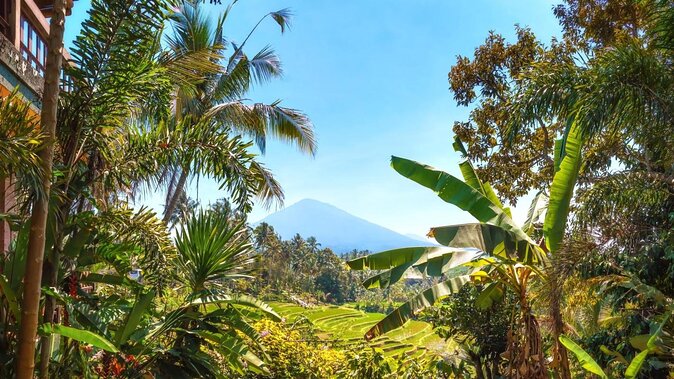
This tour is for seeing a less polished side of Bali. Your day begins with hotel pickup roughly 30 to 60 minutes before the 8:30 a.m. start, depending on where you stay. From the southern resort belt, the vehicle passes through the busy area around Denpasar and gradually reaches farmland, palms, and the foothills of the Batukaru range.
I like the gradual change. You do not simply arrive at a viewpoint and take a photo. You watch the island shift from urban roads to fields, village compounds, and small-scale farming. The guide can explain Balinese religious customs and agricultural practices along the way, which helps connect the scenery to everyday life.
The ride is also the day’s main weakness. Bali traffic can be slow, especially during hotel pickups and on the return journey. The mountain roads are winding and bumpy, so if you suffer from motion sickness, bring whatever preventative measure works for you. One passenger found the repeated stopping and swaying difficult even with precautions.
The meeting-point information is a little muddled. The experience gives Batu Karu Temple near Ubud as the start and end point, while the included transport describes pickup from major hotels in the southern resort areas. Confirm your exact pickup arrangement before departure, especially if you are staying in Ubud or arriving by cruise ship. Cruise passengers may pay an additional charge.
More trips out to the Jatiluwih terraces:
- West Bali Tour: Taman Ayun, Ulun Danu Beratan, Jatiluwih Rice Terrace, Tanah Lot
★ 5.0 · 122 reviews - Private Full-Day Handara, Ulun Danu, Jatiluwih and Tanah Lot Tour
★ 5.0 · 63 reviews - Electric bicycle tour in Jatiluwih UNESCO site
★ 4.5 · 25 reviews
Mount Batukaru and Bali’s farming country
The first part of the countryside visit focuses on the fertile foothills of Mount Batukaru. Volcanic soil supports tropical fruit, spices, vegetables, and flowers, and the area is known for its productive farms. The guide’s explanation matters here because the tour is not only about looking at green hills. You learn how land, water, community work, and religious practice fit together in Balinese farming.
The advertised stop is about two hours, though the exact pace can vary. You might spend time viewing fields from the vehicle, walking a little, or visiting a garden or plantation. Past departures have included coffee and tea sampling, with one particularly popular stop offering around 10 types to taste. Luwak coffee was also available for purchase.
That plantation visit can be enjoyable if you like local products and want to understand Bali’s coffee culture. It can also feel like a sales stop. The same is true of visits to batik and silversmith workshops. Some people appreciate seeing the work and buying directly, while others find that the demonstrations are brief and the shopping pressure is stronger than expected.
This is worth knowing before you book. If you want a pure nature and temple outing, tell your guide politely that you prefer to keep shopping stops short. The advertised highlights are the farms, rice terraces, and temple, not a full handicraft-shopping circuit.
Two hours among the Jatiluwih rice terraces
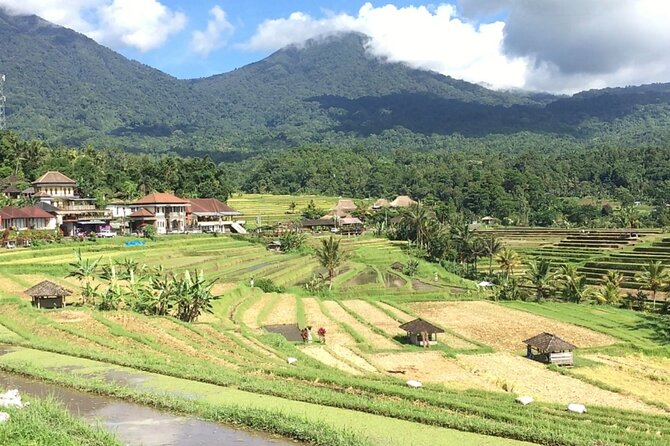
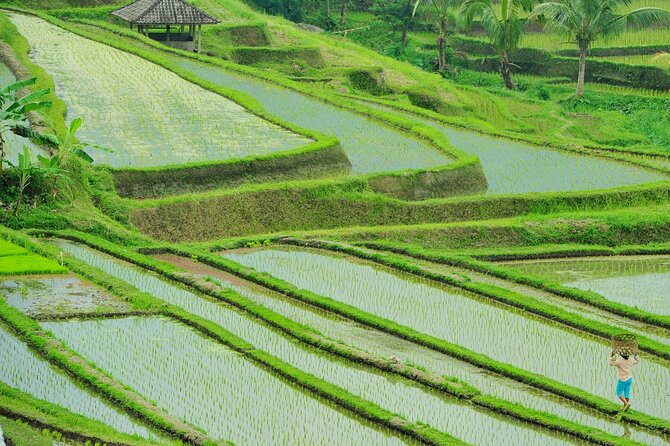
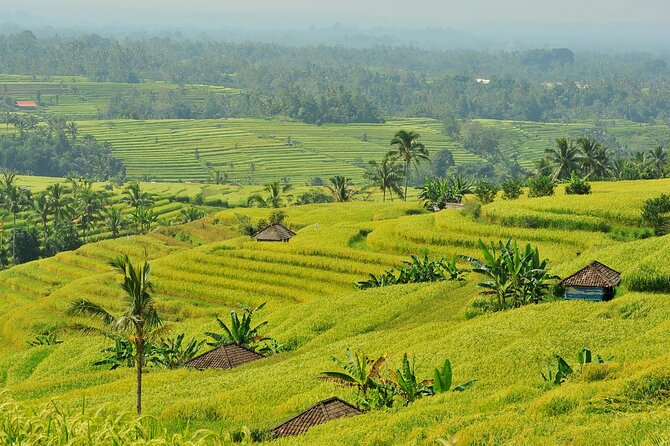
Jatiluwih is the day’s most photogenic stop. The local community has shaped the hillsides into broad, curving rice terraces that appear to fold into one another. They are not just pretty scenery. The paddies provide food and income, and their irrigation and cultivation depend on shared village systems.
You get about two hours here, giving you more time than a quick roadside photo stop. The guide can point out the crops and explain the role of farming in local life. Take your time with the views, but remember that paths can be uneven and wet, particularly after rain.
The stop may include a meal at a restaurant overlooking the rice fields, but food and drinks are not included in the price. The setting can be excellent, yet the meal is the least dependable part of the day. Some diners found the food cold or the restaurant less clean than expected, while another found the lunch overpriced and disappointing.
I would treat lunch as a convenient break rather than a reason to book the tour. Bring water, and ask about the menu or prices before ordering. You pay for your own meal, so you are free to keep it simple.
The rice terraces are also a good place to judge the tour’s value. If you want to see the Bali pictured in guidebooks, this stop delivers the broad green views. If you want a strenuous hike, the description does not promise one. It calls for a short walk and sightseeing, so do not book this as a serious trekking excursion.
Walking into Pura Luhur Batukaru
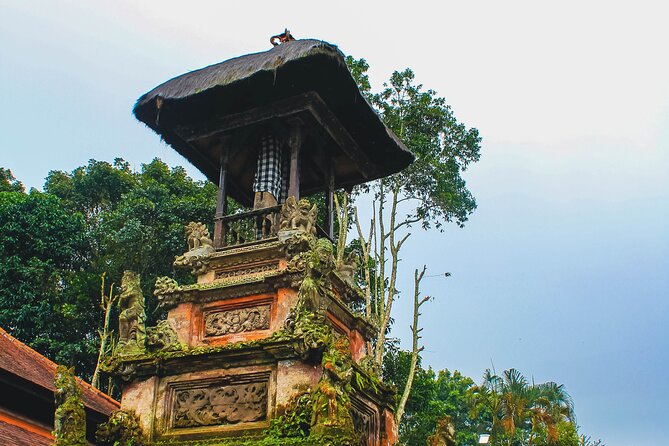
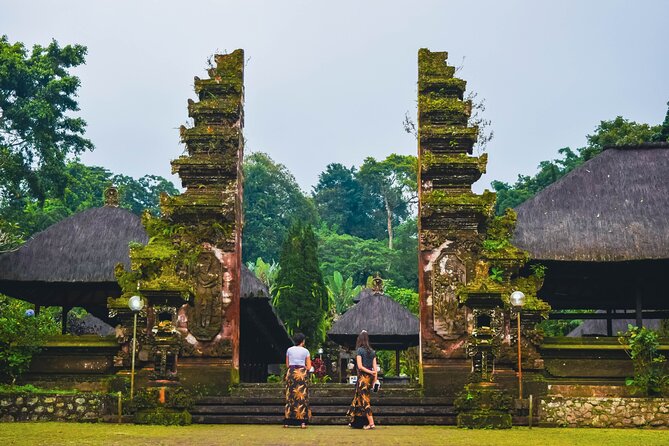
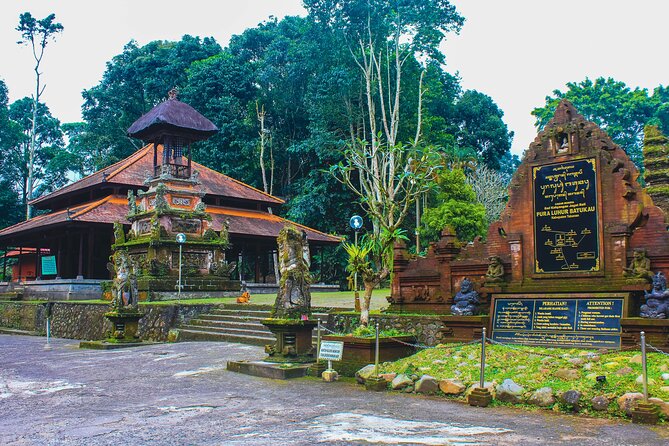
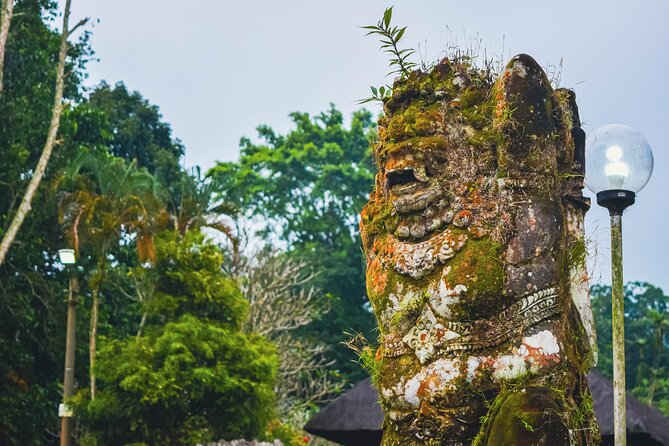
The temple visit is the most meaningful stop for many people. After traveling through thick forest below Mount Batukaru, you walk a short distance toward Pura Luhur Batukaru, one of Bali’s most sacred Hindu temple sites. Only Besakih is described as more sacred in the information provided.
The setting is the attraction. The temple sits away from the main resort areas, surrounded by trees and a damp mountain atmosphere. The paths and steps may be slippery with moss and moisture, so wear shoes with a good grip. Rain is common enough in this part of Bali that a light waterproof layer is sensible.
The complex includes several shrines and a water feature regarded as holy. The layout rises through different levels, and the forest helps create a calm, secluded mood. One guide, Radiawan, was especially praised for explaining the temple’s past and allowing time for quiet meditation. Another guide, Rody, gave a group time to stop, take photographs, and sit peacefully.
Your experience will depend heavily on the guide. Darta, Benny, Arya, and Rai A have all been singled out for clear explanations and helpful service on past departures. Other guides have been described as serious or less engaging. That is the tradeoff with a shared tour: the vehicle and route are fixed, but the tone of the day can change with the person leading it.
Show respect at the temple. This is a functioning sacred place, not simply a photo backdrop. Follow the guide’s instructions about where to walk and sit, and expect the atmosphere to be quieter than at Bali’s more famous temple sites.
A completely different kind of day out from Ubud:
- All-Inclusive Ubud Private Tour
★ 5.0 · 14,344 reviews - Best of Ubud Full-Day Tour with Jungle Swing
★ 5.0 · 8,571 reviews - Ubud: Monkey Forest, Jungle Swing, Rice Terrace, and Water Temple
★ 5.0 · 7,160 reviews - Best of Ubud 1-Day Private Tour
★ 5.0 · 4,451 reviews
How much of the day is spent in the vehicle?
The tour is sold as an eight-hour experience, with roughly two hours allocated to each main stop: the Batukaru foothills, Jatiluwih, and Pura Luhur Batukaru. That sounds generous, but the actual balance depends on traffic and extra stops.
From the southern hotel areas, the journey to the temple and terraces can take a substantial part of the morning. Hotel collection adds more time, and the drive back can be slower when traffic builds. One departure lasted longer than eight hours, with nearly half the day spent in the vehicle.
That is not necessarily wasted time. The road into the interior offers views of fields and villages, and your guide can use the drive to explain Balinese culture. Still, you should be comfortable with a full day of sitting, winding roads, and uneven timing.
The included air-conditioned vehicle is a practical advantage. You do not have to navigate unfamiliar roads or find parking near rural sights. A separate driver and guide have been used on some departures, which means you can focus on the scenery instead of the road.
Group size, guides, and the level of personal service
The tour is described in two ways: as a small-group outing limited to six participants in the main description, and as a maximum of 15 people in the included details. In practice, some groups have been very small, including couples who received what felt like a private outing, while another group had six friends.
This inconsistency matters. If you want a guaranteed six-person maximum, confirm it before paying. Even with up to 15 people, the format is still likely to feel more manageable than a large coach tour, but it will not offer the same flexibility as a private car.
The guide is the key to getting value from the day. An informed, friendly guide can explain why the rice terraces work, what makes Batukaru sacred, and how village customs connect with Hindu practice. Ask questions early and often. Guides such as Darta, Rody, Radiawan, Benny, Arya, and Rai A have been praised for being helpful, patient, and clear, but you may not receive one of those specific guides.
Hotel pickup and drop-off add real value, particularly if you are based in Kuta, Seminyak, Sanur, Jimbaran, or Nusa Dua. You avoid arranging a long-distance taxi and can relax during the drive. For a solo visitor, the shared format also provides company without the cost of a fully private tour.
Is $61.54 a fair price?
At $61.54 per person, the tour is reasonably priced if you want transport, a guide, and several countryside sights in one day. The cost covers the air-conditioned vehicle, English-speaking licensed guide, hotel pickup and drop-off from listed areas, and the organized visits. Entrance fees are described as included, although the detailed itinerary labels the main stops as free admission.
The value is strongest for solo visitors, couples without a car, and anyone who wants cultural context rather than simply a driver. You are paying to avoid the practical headaches of reaching Jatiluwih and Batukaru independently, while also getting explanations at the temple and farming areas.
The value drops if your day becomes dominated by optional shopping stops, an expensive lunch, or long traffic delays. Food and drinks are extra, and purchases at coffee, batik, silver, or craft stops are entirely your responsibility. The tour should be judged by the rice terraces, temple, guide, and transport, not by the promise of a bargain meal or free samples.
Free cancellation is available if you cancel at least 24 hours before the local start time. Changes or cancellations inside that window are not refunded.
Who will enjoy this Batukaru day?
I would choose this outing if you want:
- A break from Bali’s beaches and resort districts
- Rice-terrace scenery without arranging rural transport yourself
- A quiet temple visit with cultural explanations
- A shared day that may become nearly private if numbers are low
- A gentle walk rather than a demanding mountain hike
- A chance to combine nature, village life, farming, and Hindu culture
I would think twice if you dislike long drives, winding roads, or possible shopping detours. You should also consider another option if your main goal is an uninterrupted trek or a tightly timed half-day excursion. Although some people describe it as a half-day outing, the planned duration is about eight hours and traffic can extend it.
The tour is suitable for most people, but temple paths may be slippery and uneven. It is not described as wheelchair-specific, so ask the operator about your needs before booking.
Should you book the Jatiluwih Batukaru tour?
Book it if you want to see Bali’s agricultural interior and prefer someone else to handle the driving. The rice terraces and forest temple are the real reasons to go, and the combination gives you more than a standard scenic photo stop. A strong guide can turn the ride into a useful introduction to Balinese farming, religion, and village life.
Before booking, confirm your pickup point, expected group size, and whether craft or plantation stops are planned. If you are happy to accept a flexible schedule and possibly buy your own lunch, the $61.54 price is fair. If you want a short, tightly controlled itinerary with no sales stops, arrange a private car and request only Jatiluwih and Pura Luhur Batukaru.
FAQ
What time does the tour start?
The stated start time is 8:30 a.m. Hotel pickup may occur 30 to 60 minutes earlier, depending on your location.
How long does the experience last?
The planned duration is approximately eight hours. Traffic, hotel pickups, and additional stops can make the day longer.
Is hotel pickup included?
Pickup and drop-off are included from major hotels in Kuta, Seminyak, Sanur, Jimbaran, and Nusa Dua. The meeting-point information also names Batu Karu Temple near Ubud, so confirm your exact arrangement.
How many people are in the group?
The tour is described as a small-group experience, but the information gives both six participants and a maximum of 15. Some departures have had only two to six people.
Is lunch included?
No. Food and drinks are not included. You can stop at a local restaurant, where meals and drinks are purchased separately.
Are entrance fees included?
The tour information says entrance fees are included, while the itinerary lists the main stops as free admission. Confirm any additional charges with the operator before departure.
What happens if I need to cancel?
You can receive a full refund if you cancel at least 24 hours before the experience start time. Cancellations or changes made less than 24 hours in advance are not refunded.
Newly added Ubud trips
- authentic Balinese organic cooking class in Ubud★ 5.0 · 4 reviews
- Farm-to-Table Balinese Cooking Experience★ 4.0 · 3 reviews
- Sunrise Jeep Tour Mount Batur Kintamani Bali★ 5.0 · 24 reviews
- coconut wine and coffee safary tour★ 5.0 · 16 reviews
- Nungnung Waterfall,Jatiluwih Heritage UNESCO and Bedugul Tour★ 5.0 · 5 reviews
- Bali Amazing Cycling Tour★ 5.0 · 4 reviews
- Authentic Balinese Cooking Class with Jewelry Making Class★ 5.0 · 3 reviews
- Bali Rural Village Bike★ 5.0 · 10 reviews
Jatiluwih Rice Terrace Tours, compared.
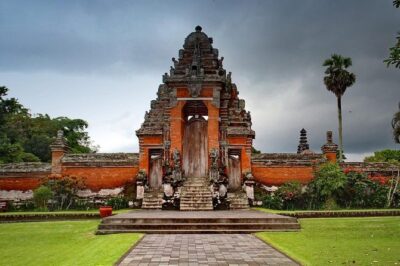
West Bali Tour: Taman Ayun, Ulun Danu Beratan, Jatiluwih Rice Terrace, Tanah Lot
Read our review →
Private Full-Day Handara, Ulun Danu, Jatiluwih and Tanah Lot Tour
Read our review →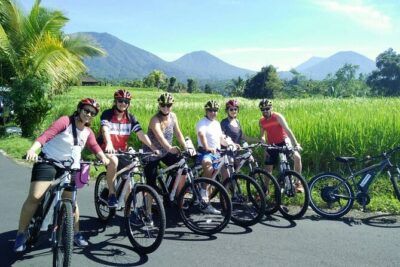
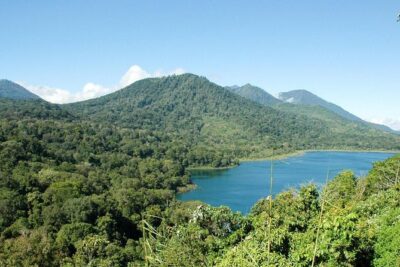
Private Jatiluwih Rice Terraces Heritage Site and Culture Tour
Read our review →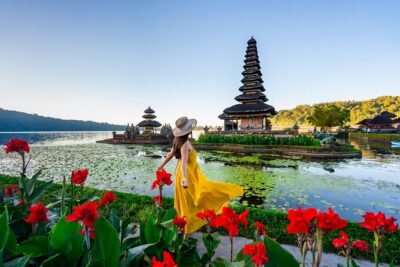
Bali UNESCO Sites: Water Temples and Jatiluwih Rice Terrace Tour
Read our review →
Tanah Lot – Jatiluwih (UNESCO) – Bedugul and Ulun Danu Temple Tour
Read our review →
Jatiluwih Spiritual Journey of Melukat with Rice Terrace View
Read our review →
Tanah Lot and Jatiluwih Unesco Rice Terrace Private Tour
Read our review →Browse the lists this tour appears in