
Reviewed · EAST BALI DAY TRIPS FROM UBUD
Royal Karangasem Heritage Tour
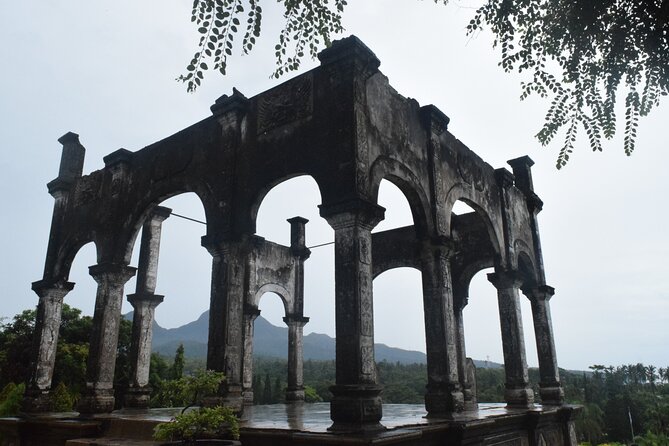
The best part of the Royal Karangasem Heritage Tour is its pair of water palaces. Tirta Gangga brings statues, fountains, stepping stones, and bathing pools together in a photogenic garden, while Ujung Water Palace spreads across ponds with Mt. Agung often appearing behind it. These are not quick roadside photo stops. They give you a real reason to travel east.
I like the small maximum group of 15, and I like the chance to see Bali beyond the southern resort belt, including salak orchards and old royal buildings. Guides such as Windra, Putra, Radi, and Wayan have been praised for warm, thoughtful explanations. The catch is the long road day. Traffic, roadworks, and extra stops can stretch the advertised eight hours into something much longer.
Key points to know before you book
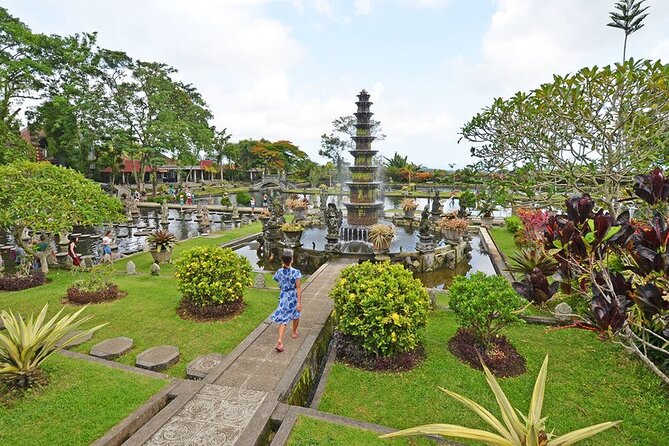
- Tirta Gangga is the star attraction: Walk among fountains, statues, pools, and pavilions built by a Karangasem king in 1948.
- Ujung Water Palace adds scale and history: Its broad fishpond, European-influenced buildings, and mountain views make it the most spacious stop.
- Karangasem Palace is more historical than grand: Puri Agung Karangasem helps explain the royal family’s blend of Balinese, Chinese, and European design.
- The drive is part of the experience: You pass rice fields, villages, and salak-growing areas, but expect a long time in the vehicle.
- Lunch costs extra: The stop is at a local restaurant, and food quality and prices can vary.
- Pickup covers major south Bali areas: Kuta, Legian, Tuban, Sanur, Denpasar, Jimbaran, Tanjung Benoa, and Nusa Dua are listed, with extra charges for some other areas.
Why east Bali is worth the long drive
Most first-time Bali trips stay close to the beaches, Ubud, and the island’s better-known temples. Karangasem feels different. It was once one of Bali’s dominant kingdoms, and its royal sites show a side of Balinese culture shaped not only by local tradition but also by contact with China and Europe.
The road east can take around 90 minutes from the southern resort areas before you reach the main sights, and traffic can add more time. I would not book this tour if you want a tightly timed half-day outing. I would book it if you want one full day devoted to royal architecture, gardens, countryside, and the eastern part of the island.
The tour is designed for a small group, with no more than 15 people. That matters here. At the palaces, you will want time to look closely, ask questions, and take photographs without being lost in a large crowd. On some departures, the group may be much smaller, even just one or two people, which allows more flexibility.
Your guide is central to the experience. The strongest reports name Windra, Putra, Radi, and Wayan as friendly and well informed. English ability can vary by guide, so the quality of the historical explanation is not perfectly predictable. Ask questions early, especially about the Karangasem royal family, the buildings’ mixed design, and the relationship with the Dutch.
More days out in East Bali:
- Best of Bali Waterfalls: Tibumana, Tukad Cepung and Tegenungan
★ 5.0 · 3,047 reviews - East Bali Tour: Gate of Heaven, Water Palace, Sleeping Gajah
★ 5.0 · 1,726 reviews - All Inclusive : Bali Blue Lagoon Snorkeling, Lunch, and Transport
★ 5.0 · 1,097 reviews
Puri Agung Karangasem: a useful first chapter
The first major stop is Puri Agung Karangasem, also called Karangasem Palace. It was built in the 19th century by the Karangasem royal family and introduces the political world behind the gardens you see later.
The palace is particularly interesting for its mixture of Balinese, Chinese, and European architecture. That combination reflects the kingdom’s contacts and changing circumstances, including its relationship with the Dutch. Look for the way formal courtyards, decorative details, and palace buildings come together rather than expecting one unified architectural style.
This stop is valuable because it gives the day a historical frame. Without it, Tirta Gangga and Ujung could seem like pretty gardens with pools. Here, you begin to understand them as royal spaces connected to power, diplomacy, leisure, and ceremony.
Keep your expectations measured. Puri Agung Karangasem is not as visually dramatic as the two water palaces. Some visitors find it smaller and less impressive, and parts of the visit can feel brief if the guide gives only a basic explanation. If history matters to you, use this stop to ask for more detail rather than simply following the group from room to room.
Some visits have included a look at royal living areas and original furnishings. The exact access can vary, so do not assume every departure will include the same rooms. The most useful approach is to slow down, notice the architectural blend, and connect this palace to the larger story of Karangasem.
Ujung Water Palace and its broad reflecting pools
Ujung Water Palace, formally Taman Sukasada Ujung, is where the tour begins to feel truly special. The complex is set around a large pond with tropical fish, and its buildings appear to float within the gardens. Wide views, water, bridges, and open lawns give this place a calmer scale than the city palace.
The palace was used by the Karangasem king as a retreat and as a setting for meetings with dignitaries and other important visitors. Your guide can explain how the site functioned, while the remaining structures and memorabilia offer a glimpse of royal life.
I would give this stop enough time for both photographs and quiet looking. The best views come from stepping back and seeing the buildings against the pond, rather than rushing straight toward the nearest structure. Mt. Agung may form the backdrop, creating one of the day’s strongest views when conditions are clear.
Ujung is also a good test of guide quality. A strong guide can point out the European influence, explain the palace’s royal purpose, and connect the site to Karangasem’s political past. If your guide is moving too quickly, politely ask for time to walk around the pools and ask questions.
The setting is open and exposed in places, so I would bring water, sun protection, and a hat. The tour information does not promise a fixed amount of free time at each stop, and the day can run late if traffic is heavy. Still, this is one of the places where a slower pace pays off.
Sebetan village and Bali’s snake fruit orchards
The stop at Sebetan village adds a local farming angle to a day otherwise focused on palaces. The village is known for salak, often called snake fruit because of its scaly reddish-brown skin. You are taken into an area associated with its cultivation and get a look at a part of rural Bali that is easy to miss from the main tourist routes.
This is not presented as a major formal attraction, so expect a simple countryside visit rather than a large visitor center or elaborate demonstration. The appeal is the change of pace. After palace courtyards and ornamental pools, orchards and village views show how people use the land outside the resort areas.
The description promises orchards, but the exact amount of walking and explanation may depend on the guide and the day’s schedule. One useful tip is to ask your guide to point out the fruit, explain how it is grown, and identify the surrounding villages as you pass. Some direct reports felt that picturesque village time was limited, so it is worth speaking up if this is one of the reasons you booked.
The roads and scenery are part of this section of the trip. You might see rice fields, small villages, and mountain views from the vehicle. Just remember that countryside scenery does not mean a long village walk. Much of the journey is viewed through the car window.
More heritage and history days around Ubud:
- Crafting Heritage Batik Painting Workshops
★ 5.0 · 164 reviews - Ulun Danu Beratan Temple – Tanah Lot Temple Tour by UNESCO World Heritage
★ 5.0 · 74 reviews - BALI ATV Kuber Through Historic Tunnel and Scenic Waterfalls
★ 5.0 · 34 reviews - Private Jatiluwih Rice Terraces Heritage Site and Culture Tour
★ 5.0 · 21 reviews
Tirta Gangga, the tour’s most photogenic stop
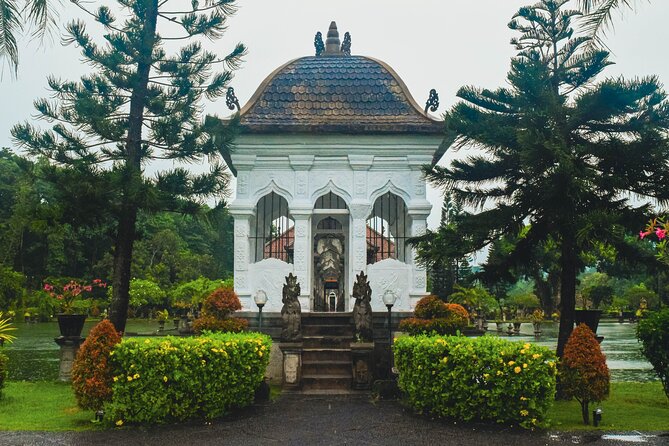
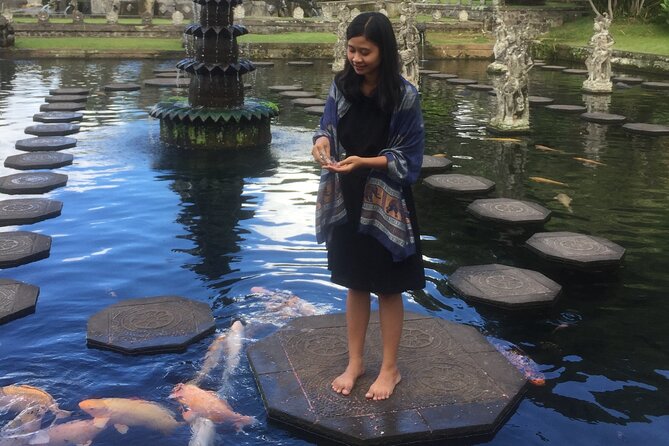
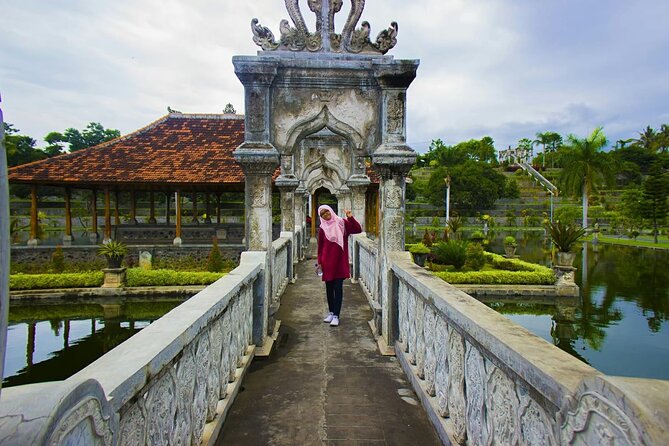
Tirta Gangga Water Garden was built in 1948 by a Karangasem king. The name is closely linked with water, and the complex makes full use of it through fountains, bathing pools, statues, stepping stones, and pavilions.
This is the stop most likely to justify the long drive for you. The garden offers many small views rather than one single monument. You can cross sections of the pools, frame statues with water behind them, and look across the garden toward the surrounding hills.
The stone stepping paths are especially popular for photographs, but take your time. The visual details are easy to miss if you hurry from one end to the other. The bathing pools are part of the site’s design, and the fountains and fishponds give the garden a relaxed feel.
I would save some energy for Tirta Gangga rather than treating it as a final box to tick. If your guide tries to rush you, explain that you would like a few extra minutes for photographs and a walk around the pools. Guides reported as especially accommodating have allowed more personal time and helped take pictures.
The surrounding area also offers food stops, though lunch is not included. One memorable meal reported from the route came with an excellent view, while another lunch was considered ordinary and expensive. That is a useful warning: enjoy the setting, but do not assume the restaurant is part of the tour’s strongest value.
Lunch, shopping stops, and what to watch for
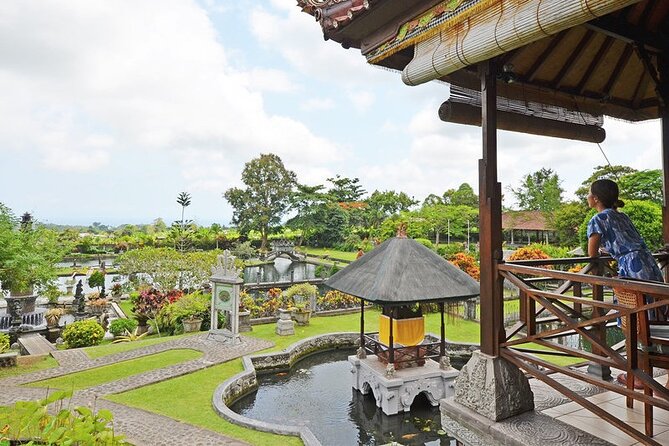
Lunch takes place at a nearby Indonesian restaurant and is paid separately. The tour information does not set a menu or price, so carry enough Indonesian rupiah or another accepted payment method. Some restaurants offer buffet-style food and Western choices, while other stops may be simpler local meals.
A good view can make lunch feel worthwhile, but food quality and cost are not consistent enough to treat the meal as a highlight. If you have dietary needs, ask the guide before ordering and confirm the price. You are paying for the food yourself, not through the tour price.
Some departures have also included stops at craft and shopping businesses, such as a silver workshop, wood-carving shop, batik operation, or art gallery. These can be interesting for a few minutes, particularly if you want to see local craft materials and techniques. They can also become sales stops, with time spent in a large shop rather than watching a full production process.
This is the main part of the day I would clarify before setting out. Ask whether shopping stops are planned and how much time they will take. If you are not interested in buying, say so politely and ask to keep the focus on the palaces, gardens, and village scenery. Some guides are flexible, while other departures have included several unnecessary additions.
Transport, timing, and the real length of the day
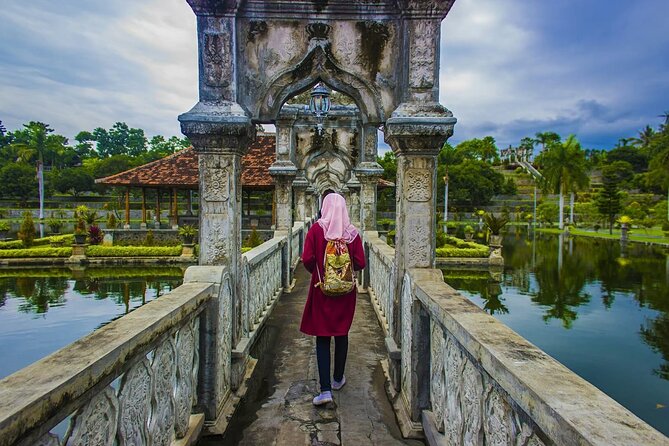
The advertised duration is about eight hours, with a 9:00 am start. Hotel pickup is offered from central areas of Kuta, Legian, Tuban, Sanur, Denpasar, Jimbaran, Tanjung Benoa, and Nusa Dua. Extra charges may apply outside the main pickup zone, and cruise passengers may face additional charges.
The practical issue is distance. East Bali is far from the southern hotel areas, and roadworks or traffic can turn the day into 10, 12, or even 14 hours. That does not mean every departure will run that long, but you should keep your evening free. Do not pair this tour with a dinner reservation you cannot change.
Vehicles have been described as air-conditioned and well maintained, though comfort is not guaranteed in every case. One departure had a comfortable van, while another found the vehicle less comfortable on rough roads. The roads themselves can be bumpy, so I would bring water, keep valuables secure, and expect a substantial amount of sitting.
The maximum group size is 15, but smaller groups are possible. A compact group makes loading, stopping, and asking questions easier. It can also make the day feel more personal, especially when the guide is willing to adjust the pace.
What the $69.24 price really covers
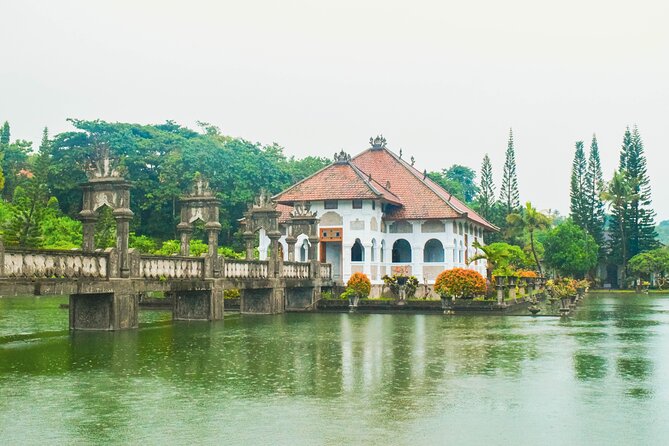
At $69.24 per person, the tour offers a practical way to combine several east Bali sights in one day. The price covers transport from listed south Bali hotel areas, an English-speaking licensed guide, admission to the main tour sites, and insurance. You avoid arranging a separate driver, finding each palace, and working out the route yourself.
The value is strongest if you are staying in the south and want to see Karangasem without hiring a private car. It is also useful if you prefer having historical context rather than simply arriving, taking photographs, and leaving.
The price is less attractive if you dislike long vehicle journeys, shopping stops, or fixed lunch arrangements. A private car could give you more control, but it would change the cost and would not automatically provide a better guide. The small-group format sits between a large coach outing and a fully private day.
Remember to budget for lunch and drinks. Also allow for possible extra pickup charges if your hotel is outside the listed areas. Free cancellation is available until 24 hours before the start time. Poor weather or failure to reach the minimum number of participants can lead to a different date or a full refund.
Who should book this Karangasem day trip?
I would choose this tour if you care about Balinese royal history, garden design, photography, and seeing a quieter side of the island. It suits first-time visitors who want a broad introduction to Karangasem without arranging transport themselves.
It is also a good fit for people who enjoy asking questions. Guides such as Windra, Putra, Radi, and Wayan have been praised for explaining culture, traditions, languages, and local places in an engaging way. Since guide quality varies, take an active role and ask for the detail you want.
I would think twice if your priority is a short, efficient outing. The driving is unavoidable, the day may run well beyond eight hours, and the palace visits are not equally impressive. Tirta Gangga and Ujung carry most of the visual appeal, while Puri Agung Karangasem provides the historical setup.
Should you book the Royal Karangasem Heritage Tour?
Book it if you want the two water palaces and prefer a guided day with hotel transfers. Ujung Water Palace and Tirta Gangga are strong reasons to go, and the salak orchards and rural roads add texture to the trip.
Skip it if you want to avoid long drives, shopping detours, or uncertain lunch arrangements. If you do book, keep your schedule open, ask for a strong English-speaking guide, request more time at the gardens, and confirm pickup and any shopping stops in advance. For the right pace, this is one of Bali’s better day trips for seeing the island’s royal past beyond the usual circuit.
FAQ
How long is the Royal Karangasem Heritage Tour?
The advertised duration is approximately eight hours, starting at 9:00 am. Traffic, roadworks, and added stops can make the day considerably longer.
Where is hotel pickup available?
Pickup is offered from centrally located hotels in Kuta, Legian, Tuban, Sanur, Denpasar, Jimbaran, Tanjung Benoa, and Nusa Dua. Other areas may involve an additional charge.
What attractions are included?
The main route includes Puri Agung Karangasem, Ujung Water Palace, Tirta Gangga Water Garden, and the salak-growing area of Sebetan village. Admission fees for the principal sites are included.
Is lunch included?
No. Lunch and drinks are not included. The tour stops at a nearby Indonesian restaurant, where you pay for your own meal.
What is the maximum group size?
The activity has a maximum of 15 travelers. Some departures may have fewer participants.
Is the tour suitable for most people?
The information states that most people can participate. The experience includes a long road journey and walking around palace and garden sites, so you should be prepared for extended time in a vehicle and outdoor sightseeing.
Can I cancel for a refund?
You can cancel at least 24 hours before the local start time for a full refund. Cancellations or changes made less than 24 hours before the start are not refunded. Poor weather or failure to meet the minimum number of participants may result in another date or a full refund.
Newly added Ubud trips
- authentic Balinese organic cooking class in Ubud★ 5.0 · 4 reviews
- Farm-to-Table Balinese Cooking Experience★ 4.0 · 3 reviews
- Sunrise Jeep Tour Mount Batur Kintamani Bali★ 5.0 · 24 reviews
- coconut wine and coffee safary tour★ 5.0 · 16 reviews
- Nungnung Waterfall,Jatiluwih Heritage UNESCO and Bedugul Tour★ 5.0 · 5 reviews
- Bali Amazing Cycling Tour★ 5.0 · 4 reviews
- Authentic Balinese Cooking Class with Jewelry Making Class★ 5.0 · 3 reviews
- Bali Rural Village Bike★ 5.0 · 10 reviews
East Bali Day Trips from Ubud, compared.
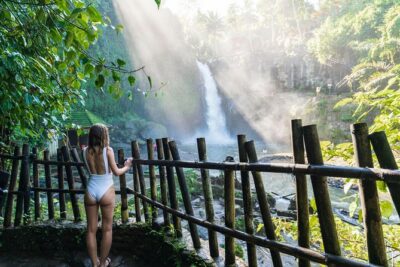
Best of Bali Waterfalls: Tibumana, Tukad Cepung and Tegenungan
Read our review →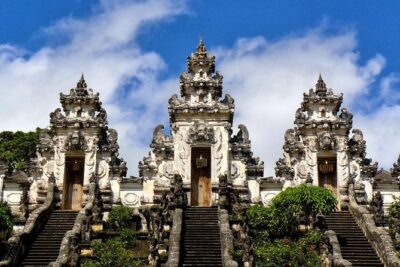
East Bali Tour: Gate of Heaven, Water Palace, Sleeping Gajah
Read our review →
All Inclusive : Bali Blue Lagoon Snorkeling, Lunch, and Transport
Read our review →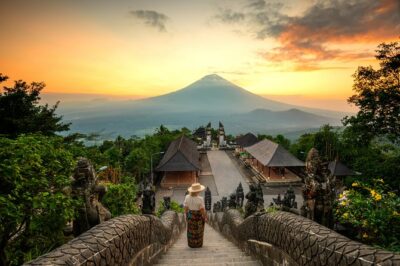

Blue Lagoon Snorkeling – Lunch – Kantolampo – Tibumana Waterfall
Read our review →

Bali Snorkeling at Blue Lagoon with Transport and Lunch
Read our review →Tulamben Diving USS Liberty Shipwreck Scuba Dive
Read our review →Browse the lists this tour appears in