
Reviewed · TIRTA EMPUL PURIFICATION CEREMONIES
Spiritual Purification and Local Healer Visit Tour (ALL INCLUDED)
The heart of this Ubud outing is a visit to a local healer, followed by a Balinese purification ceremony at Gunung Kawi Sebatu Temple. You will also see Tegalalang Rice Terrace and pass through a wood carving village, so the day mixes spiritual practice, scenery, and living craft traditions.
I like the private format, which gives guide Gede room to explain Balinese beliefs and adjust the pace for your group. I also like the honest range of the day: the healer visit is personal and reflective, while the rice terraces and carving village give you a wider look at daily culture.
The main consideration is physical effort. You should have a strong fitness level, and the purification takes place in water. The spiritual elements may feel meaningful to you, but they are not a standard sightseeing show, so come with respect and an open mind.
Key points to know before booking
- The local healer visit comes first: Expect an approximately one-hour session focused on inner energy, aura cleansing, personal guidance, and possible glimpses of the future.
- Gunung Kawi Sebatu includes a water ritual: The holy spring ceremony is a hands-on experience, not simply a temple photo stop.
- Tegalalang adds Bali’s classic rural scenery: You will see the traditional subak irrigation system and terraced rice fields.
- Guide Gede is a major part of the day: He speaks excellent English, shares Balinese spiritual and cultural context, and can help shape the route.
- The private setup suits couples and small groups: Only your party participates, and group discounts may be available.
- The $46 price covers core admissions: Temple entry is included, while pickup is offered and free cancellation is available up to 24 hours ahead.
A spiritual start with a local healer in Ubud
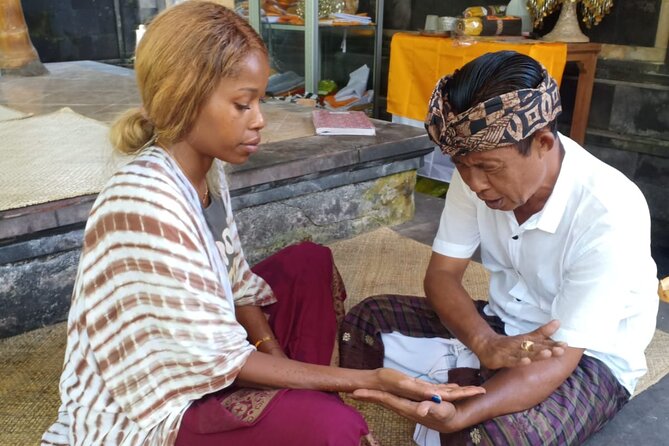
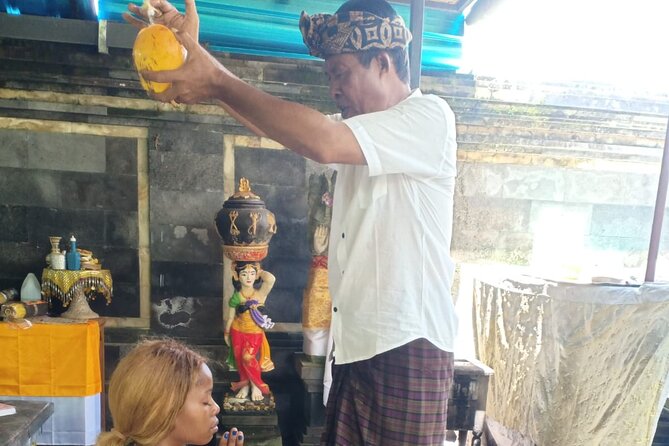
The first stop takes you to a local healer in Ubud for about an hour. The healer is described as someone who reads and analyzes inner energy, then uses touch and spiritual practice to clear negative blockages.
That description tells you something important about the tone of the visit. This is not a medical appointment, and it is not a theatrical fortune telling performance. It is presented as a traditional spiritual session meant to help you reflect on your state of mind, personal direction, and sense of balance.
You may receive a reading about your future, along with guidance based on the healer’s understanding of your energy. I would treat this as a cultural and personal experience rather than a guaranteed prediction. The most useful approach is to listen respectfully, keep your expectations sensible, and decide for yourself what feels meaningful.
The one-hour time allotment is helpful. You are not being rushed through a quick blessing before moving on to the next sight. At the same time, the session is short enough that the entire day remains varied.
Guide Gede adds value here because he can explain the wider Balinese spiritual setting. His English is described as excellent, and his manner is personable and attentive. That matters when a ritual involves ideas that may not translate neatly into a standard sightseeing script.
If you are traveling alone, the private format may also make this stop feel more comfortable. You are with your own group rather than being placed into a large mixed party. A solo woman specifically found herself well looked after during the day, which points to the value of having a responsive guide for a personal experience like this.
More purification ceremonies at the water temples:
- Ubud: Monkey Forest, Jungle Swing, Rice Terrace, and Water Temple
★ 5.0 · 7,160 reviews - Half-Day Ubud Electric Cycling Tour to Tirta Empul Water Temple
★ 5.0 · 315 reviews - Ubud Tour – Balinese Healing By Shaman And Self Purification
★ 5.0 · 236 reviews
Gunung Kawi Sebatu and the meaning of purification
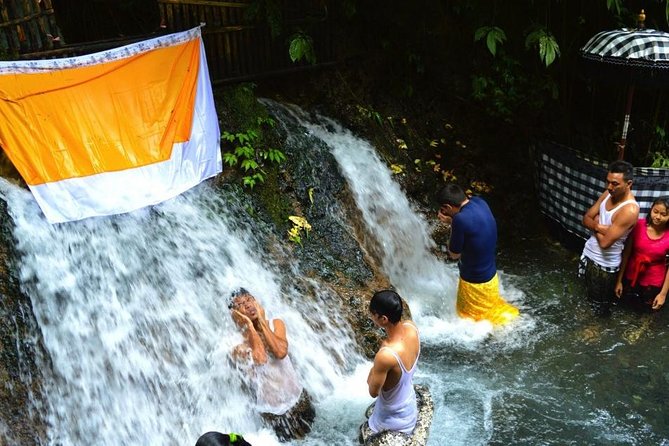
The next major stop is Gunung Kawi Sebatu Temple, where you take part in a purification ritual at a holy spring. The water is believed to cleanse the body, mind, and soul.
This is the most active part of the tour. You are not only looking at temple walls or taking pictures. You take part in a ceremony in the water, making this a more personal encounter with Balinese Hindu practice.
The temple grounds also give you time to notice how sacred places function in Bali. The springs are not just scenic pools. They are part of a living religious tradition, and the ceremony carries meaning for the people who use the site.
You should dress and behave with care at this stop. The supplied details do not specify clothing requirements, changing facilities, or whether towels are provided, so confirm those points with the operator before departure. Since the ritual takes place in water, practical preparation matters more here than it would on an ordinary temple visit.
The purification portion lasts about one hour. That gives you enough time to take in the setting without making the entire day revolve around one ceremony. Some people will find this reset calming and memorable. Others may feel less connected to a ritual outside their own beliefs. Both reactions are reasonable, and you do not need to force a spiritual response.
What I like most is the contrast with the healer session. The first stop centers on an individual reading and personal reflection. The temple visit places you within a larger Balinese tradition. Together, the stops offer two different ways to think about spirituality in Ubud.
Tegalalang Rice Terrace and the subak tradition
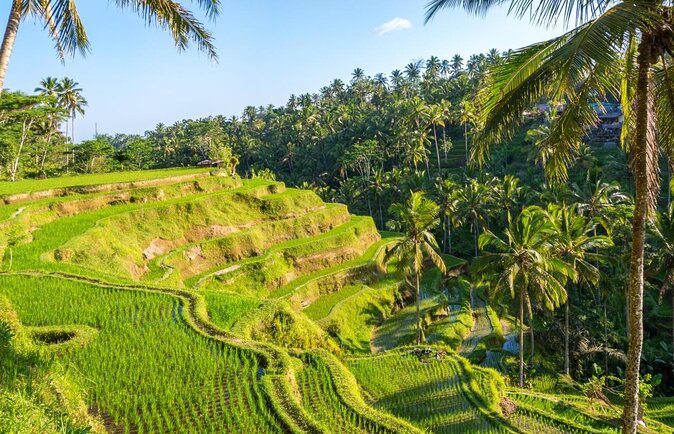
Tegalalang Rice Terrace provides the familiar scenic highlight of the route. Its stepped fields show the traditional Balinese irrigation system known as subak, which has been used for centuries.
The terraces are attractive, but the irrigation system is the more interesting part. Subak reflects cooperation among farming communities, with water managed through a shared system rather than treated as a private concern. That gives the view more substance than a simple photo stop.
The scheduled time is about one hour. You will have room to appreciate the pattern of the fields and learn about the farming tradition from Gede. The tour details do not specify a particular walking route, viewpoint, or optional activity, so you should not assume that this includes every attraction or swing associated with the wider Tegalalang area.
This stop also breaks up the spiritual parts of the day. After the inward focus of the healer and the water ceremony, the rice terraces return you to an open rural setting. I like that balance. It keeps the outing from feeling too narrowly focused on mysticism.
The physical note applies here as well. Rice terraces can involve uneven ground and steps, although the exact route is not given. The operator advises a strong fitness level, so wear practical clothing and footwear suited to walking. If you have limited mobility, ask for a detailed route description before booking.
Passing through Bali’s wood carving country
Between the main stops, the route passes through one of Bali’s best-known wood carving villages. You can learn about different types of wood and see how artisans carve by hand.
This is described as a pass-by rather than a full scheduled stop, so keep your expectations in check. You may receive an introduction to the craft and see examples of manual carving, but the information does not promise a workshop, demonstration, or time to make your own piece.
Even so, this small detail improves the day. Bali’s culture is not limited to temples and ceremonies. Wood carving is a practical art, and learning how handmade pieces are produced helps you see the work behind the objects sold around the island.
If buying souvenirs matters to you, ask Gede or the operator how much time is available and whether the route includes a showroom. That information is not provided, so do not assume that shopping is part of the package. The strongest reason to appreciate this pass-by is cultural context, not guaranteed retail time.
More healers and blessing ceremonies in Ubud:
- Melukat Ceremony and Temple Tour at Tirta Empul Temple
★ 5.0 · 218 reviews - Meditate with a Shaman
★ 5.0 · 77 reviews - Ubud: Monkey Forest, Rice Terraces & Sacred Temples
★ 5.0 · 69 reviews - A Day Retreat In Ubud
★ 5.0 · 51 reviews
Why a private tour changes the day
This is a private activity, meaning only your group participates. That makes the experience more adaptable than a large coach outing.
The private format is especially useful at the healer and temple. You can ask questions without holding up a busload of people, and Gede can explain unfamiliar customs at a pace that suits you. One couple found that the trip could be customized, which is a useful clue for anyone who wants more or less time at a particular stop.
The listed duration is approximately four to seven hours. That is a wide range, but it makes sense for a private route with pickup and several cultural visits. Timing may change based on where you are collected, how long you spend at the healer, and how your group handles the purification ceremony and rice terrace visit.
Pickup is offered, and the tour is near public transportation. The details do not state the exact pickup zone or whether every Ubud hotel is covered, so confirm your address when booking. Confirmation is sent at the time of booking, which gives you a clear starting point for arranging the day.
Group discounts may be available. Since the tour is private, the $46 price can offer better value for two or more people than it might for a solo participant, depending on the final group rate and transport arrangements.
Is $46 good value for this Ubud experience?
At $46, the tour brings together four distinct elements: a healer session, a holy spring purification, Tegalalang Rice Terrace, and a look at handmade wood carving. Admission to Gunung Kawi Sebatu Temple and Tegalalang Rice Terrace is included.
The value comes from the combination rather than from any single attraction. You could visit a rice terrace independently, but arranging a healer visit and understanding a purification ceremony would be harder without local help. Gede’s role as translator, cultural guide, and driver or trip coordinator is central to the price.
The tour is also more useful if you want interpretation. Without context, the healer and temple could seem like disconnected activities. With Gede explaining Balinese spirituality and customs, the day has a clearer thread.
The price does not mean every possible cost is necessarily covered. The title presents the outing as all included, and core admission is listed as included, but the supplied details do not mention meals, personal purchases, or optional extras. I would ask about transport coverage, clothing for the water ritual, and any additional fees before finalizing the booking.
The high rating and full recommendation rate suggest a consistently strong experience, though the number of published ratings is small. I would give particular weight to the repeated praise for Gede’s warmth, communication, promptness, and ability to customize the outing.
Who will enjoy this tour most?
I would recommend this tour to you if you want more than Bali’s standard temple checklist. It suits people who are curious about spiritual customs, comfortable taking part in a water ceremony, and interested in hearing a local guide explain how belief and daily life connect.
It is also a good fit for couples, families with fit older children, friends, and solo visitors who prefer personal attention. The private format lets your group ask questions and avoid the feel of a mass-market excursion.
You may want to choose another tour if you prefer a tightly scheduled sightseeing route with many major monuments. This day gives significant time to spiritual activities, and the healer session may not appeal to anyone who wants only verifiable historical information.
It may also be a poor match if you have difficulty walking, standing, or entering water. The operator asks for strong physical fitness, and the exact accessibility arrangements are not provided. Ask direct questions before you pay.
Practical advice for getting the most from the day
Give yourself mental space for the healer visit. You may hear ideas about energy, cleansing, or the future that are unfamiliar. Listen politely, but keep your own judgment.
At the temple, treat the purification as a religious ceremony rather than a tourist photo opportunity. Follow Gede’s instructions and allow time for the experience to unfold at its own pace.
Wear clothing suitable for walking and water, but confirm the temple’s specific requirements with the provider. The tour information does not state what is supplied, so ask about towels, changing arrangements, and appropriate dress.
Use the private setting well. Ask Gede about the subak irrigation system, wood types used in carving, and the place of purification in Balinese life. His strength appears to be making cultural subjects understandable without losing their personal side.
Finally, keep your schedule flexible. The difference between four and seven hours is substantial, and pickup distance or time spent at the spiritual stops may affect the finish time. If you have a flight, spa appointment, or dinner reservation, leave plenty of room.
Should you book this Ubud tour?
Book it if you want a personal, culture-focused day that combines a local healer, a holy spring ritual, rice terraces, and Balinese craft traditions. The private format and guide Gede’s strong communication make it especially appealing for solo visitors and small groups who value explanation and flexibility.
Skip it if you want a conventional sightseeing route, dislike water-based ceremonies, or prefer to keep spiritual experiences strictly outside your holiday. For the right audience, $46 is a fair price for a varied half-day outing with temple admission included. Just confirm pickup details, water-ritual logistics, and the exact schedule before setting off.
FAQ
How long does the tour last?
The experience lasts approximately four to seven hours. The final timing can vary depending on pickup arrangements and how long your group spends at each stop.
Is the tour private?
Yes. Only your group participates in the activity.
Is pickup available?
Pickup is offered. The provided details do not specify the exact pickup area, so confirm your location when booking.
What is included in the price?
Admission to Gunung Kawi Sebatu Temple and Tegalalang Rice Terrace is included. The tour is presented as all included, but the supplied details do not list meals or personal purchases.
Do I need to be physically fit?
Yes. The operator advises that participants should have a strong physical fitness level. The purification ceremony takes place in water, and the rice terrace visit may involve walking.
Can I cancel for a full refund?
Yes, if you cancel at least 24 hours before the experience start time. Cancellations or changes made less than 24 hours ahead are not eligible for a refund.
Newly added Ubud trips
- Sunrise Jeep Tour Mount Batur Kintamani Bali★ 5.0 · 24 reviews
- authentic Balinese organic cooking class in Ubud★ 5.0 · 4 reviews
- Farm-to-Table Balinese Cooking Experience★ 4.0 · 3 reviews
- coconut wine and coffee safary tour★ 5.0 · 16 reviews
- Nungnung Waterfall,Jatiluwih Heritage UNESCO and Bedugul Tour★ 5.0 · 5 reviews
- Bali Amazing Cycling Tour★ 5.0 · 4 reviews
- Authentic Balinese Cooking Class with Jewelry Making Class★ 5.0 · 3 reviews
- Bali Rural Village Bike★ 5.0 · 10 reviews
Tirta Empul Purification Ceremonies, compared.

Monkey Forest, Jungle Swing, Rice Terrace, and Water Temple
Read our review →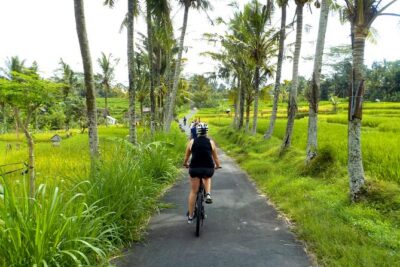
Half-Day Ubud Electric Cycling Tour to Tirta Empul Water Temple
Read our review →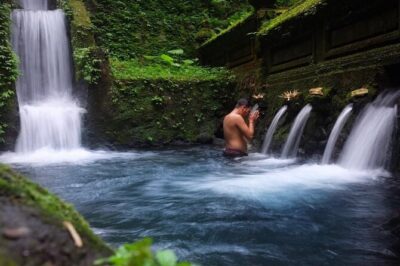
Ubud Tour – Balinese Healing By Shaman And Self Purification
Read our review →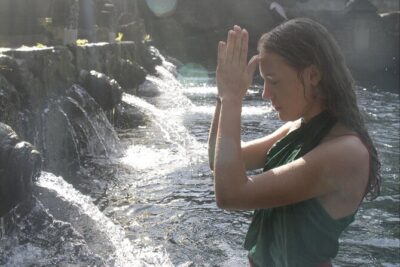
Melukat Ceremony and Temple Tour at Tirta Empul Temple
Read our review →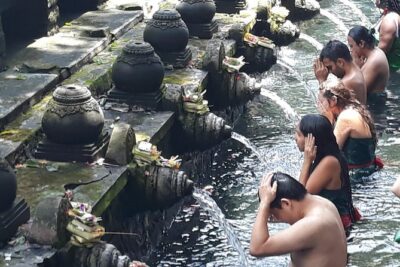
Skip the Line Tirta Empul Temple Entrance Ticket All Inclusive
Read our review →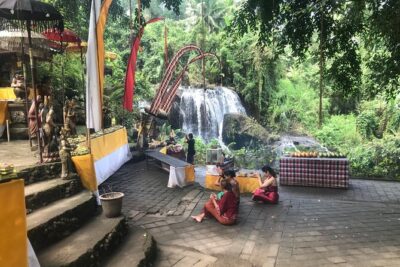
Ubud Private Tour – Waterfalls, Water Temple & Rice Terraces
Read our review →
Ubud Tirta Empul Temple Tour with Purification Experience
Read our review →Browse the lists this tour appears in