
Reviewed · UBUD WALKING TOURS
UNESCO Sites Cultural Walking Tour in Bali
The most meaningful part of this Ubud tour is the chance to take part in a purification ritual at Tirta Empul, not simply walk past a temple with a camera. Your guide explains the setting, provides the required Balinese cloth, and helps you approach the holy spring respectfully. I also like the walk through rice paddies, where the Subak irrigation system gives you a practical look at how Balinese communities have managed water for generations.
I like that breakfast, lunch, mineral water, and coconut water are included, so the day feels well supported. I also like the personal side of the experience: guides named Wayan, Nyoman, and Dewa receive especially warm praise for being friendly, careful, and helpful. The main consideration is physical effort. This is a walking tour with temple visits and rice-field paths, so it is not a good fit for anyone with serious medical concerns, back problems, or limited mobility.
Key points to know before booking
- Tirta Empul is the heart of the day: You take part in a holy spring purification ritual with guidance and temple clothing provided.
- The rice-paddy walk has a purpose: You learn how the traditional Subak irrigation system supports village farming.
- Gunung Kawi Sebatu offers a quieter temple visit: Its cave setting and water features provide a different mood from Tirta Empul.
- Food and drinks are built in: You receive a light breakfast, Balinese lunch, mineral water, and coconut water.
- Personal guiding matters here: Wayan, Nyoman, and Dewa are named as especially warm and professional guides.
- The group can reach 20 people: That keeps the price reasonable, though the ritual may feel less private in a full group.
Why the Tirta Empul ritual gives this tour its purpose
Many temple outings in Bali are mainly sightseeing stops. Tirta Empul asks you to do more than look. The central activity is a purification bath in the holy spring, a living religious practice that requires a little care and attention from you.
Your guide explains the temple’s background and escorts you through the ritual. Temple clothing is supplied, which removes one common worry: figuring out what to wear at a sacred site. You still need to approach the experience with respect. This is not a staged spa treatment or a quick dip for a photograph.
The two-hour stop allows time for orientation, the ritual, and looking around the temple grounds. That length is useful because you do not have to rush straight from the spring to the vehicle. You can take in the setting and ask questions while the details are fresh.
I would book this part of the tour if you want cultural contact rather than a standard temple checklist. If you prefer to observe religious customs from a distance, you may find the ritual more involved than expected. The guide’s role is important, especially if you are unsure about the order of the bathing process or the proper temple etiquette.
The experience also has a practical side. You need moderate physical fitness, and the day includes walking, standing, and changing activities. It is not recommended for pregnant women or people with back problems, heart complaints, or other serious medical conditions.
More walking tours in Ubud:
- Ubud Guided Walking Tour
★ 5.0 · 79 reviews - Hikaria: Bali’s First Immersive Night Walk
★ 5.0 · 16 reviews - Myth of Pejeng Walking Tour
★ 5.0 · 6 reviews
Breakfast and lunch turn the middle of the day into a local pause
After the temple visit, Friends in Bali provides a light breakfast and lunch. The meal stop lasts about an hour, giving you time to eat without treating food as an afterthought.
The lunch is Balinese, and you eat while taking in the view. The information provided does not specify the exact dishes, so you should not book this expecting a particular menu. What you can count on is a meal included in the tour price, plus mineral water and coconut water.
That matters in Bali’s heat. A six-hour outing with walking and a purification bath is easier when you do not need to search for a restaurant or carry enough drinks for the whole morning. The included food also helps keep the day’s cost predictable.
The stop is connected with Friends in Bali, and some descriptions of the experience also refer to a coffee plantation visit. Since the stated itinerary focuses on breakfast and lunch here, I would treat any coffee-related stop as something that may be part of the day rather than a guaranteed feature.
The meal break also creates room for conversation. One of the strongest features of this tour is the local guide relationship. The supplied feedback highlights Wayan’s generosity, Nyoman’s professionalism, and Dewa’s care in making sure people were comfortable. That personal contact can turn a meal into a chance to ask about Balinese customs, daily life, and local concerns.
Walking the rice paddies and seeing Subak in action
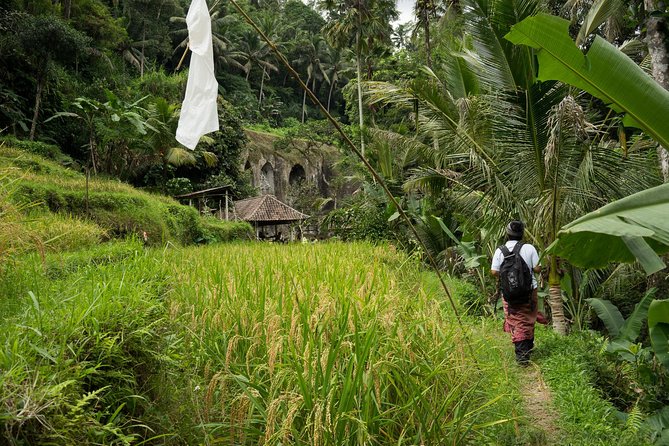
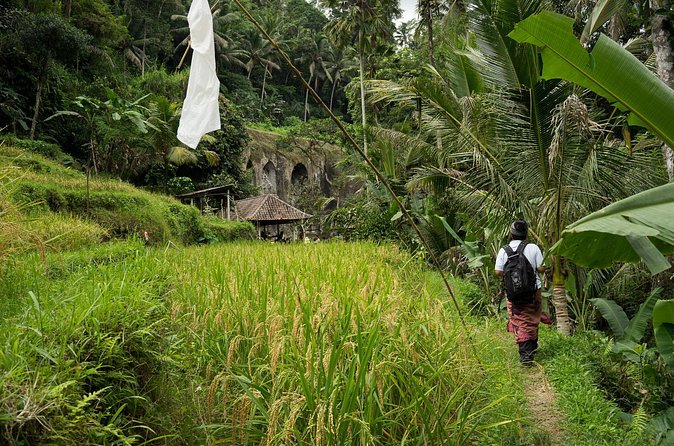
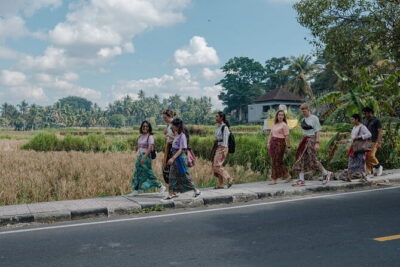
The rice-paddy section gives the tour its strongest connection to everyday Bali. Instead of viewing fields from a road, you walk through them and learn about Subak, the traditional irrigation system.
Subak is more than a collection of ditches. The tour presents it as a shared way of managing water, linking agriculture with community life. You do not need a technical background to appreciate the point. As you walk, the guide helps explain why water management matters to rice cultivation and village cooperation.
This is also the portion where sensible footwear matters most. The information only states that you will walk through rice paddies, so conditions can vary. Wear shoes you can walk in comfortably and that you do not mind using on an outdoor path. I would avoid treating this as a formal hike, but you should be ready for uneven ground and a fair amount of time on your feet.
The walk adds value because it balances the temple visits. Tirta Empul is a sacred place, while the paddies show the working side of Balinese culture. You see how religion, food production, village life, and water use can sit close together in one day.
Do not expect a long wilderness walk or a challenging trek. The tour description gives the walking portion two hours, along with the Gunung Kawi Sebatu visit. That suggests a gentle cultural walk rather than an athletic excursion, but the exact path and terrain are not specified.
Gunung Kawi Sebatu brings a different temple mood
The final major stop is Gunung Kawi Sebatu Temple. Here, the focus shifts from a public purification ritual to a temple setting described for its cave features, water, and long cultural story.
The visit lasts about two hours, including the rice-paddy walk. That gives you time to explore without making the temple feel like a ten-minute photo stop. Your guide can connect what you see at Gunung Kawi Sebatu with the customs and history discussed earlier in the day.
The cave temple is the distinctive feature. It gives this stop a more atmospheric feel than a simple open courtyard, though the available information does not specify the exact cave route or the number of structures you will see. You should expect a guided cultural visit, not an underground adventure.
I like the sequence of the day. Tirta Empul places you inside a living ritual. The meal offers a pause. The paddies explain a working agricultural system. Gunung Kawi Sebatu then gives you another sacred setting in which to put those ideas together.
Because the group may include up to 20 people, your experience can depend on the guide and the day’s pace. A smaller group may make questions and quiet observation easier. A full group can still work well, but it may feel less intimate around the temple and spring.
A completely different kind of day out from Ubud:
- All-Inclusive Ubud Private Tour
★ 5.0 · 14,344 reviews - Best of Ubud Full-Day Tour with Jungle Swing
★ 5.0 · 8,571 reviews - Ubud: Monkey Forest, Jungle Swing, Rice Terrace, and Water Temple
★ 5.0 · 7,160 reviews - Best of Ubud 1-Day Private Tour
★ 5.0 · 4,451 reviews
Guides can make or break a culture-focused day
This tour depends heavily on its guide. The basic stops are worthwhile, but the meaning comes from the explanations, the timing, and the help you receive during the purification ritual.
Several guides are singled out by name in the supplied feedback. Wayan is described as kind and generous. Nyoman receives praise for being friendly, professional, and well informed. Dewa is described as a gentleman who pays attention to comfort and details.
You cannot usually request a particular guide unless the operator confirms it, so I would not book on the assumption that one named person is guaranteed. Still, these comments give you a useful picture of the service style to expect: personal, conversational, and attentive rather than rushed.
The guide can also help bridge the gap between watching a custom and understanding it. You can ask about temple clothing, the purpose of the holy spring, local life, and the Subak system. One strong part of the experience is the opportunity for direct conversation about Balinese customs, people, politics, and daily life.
That makes this a better choice for you if you enjoy asking questions. If you want a silent, self-directed walk with little commentary, a private temple visit may suit you better.
What the $58 price includes
At $58 per person, this is not just an admission-ticket package. The price includes pickup and drop-off from Ubud, guiding, admission to the listed temples, temple clothing, the purification bath, drinks, a light breakfast, and a Balinese lunch.
Round-trip transport matters in Bali because arranging separate rides between Ubud, Tirta Empul, the rice fields, and Gunung Kawi Sebatu can take time and add cost. The tour also removes the need to organize a guide for the ritual, which is the part where local help has the greatest practical value.
The included meals and drinks strengthen the value. You are not paying $58 and then adding transport, entry tickets, lunch, and ritual clothing one by one. A charitable contribution to a local school is also included, giving part of the fee a community connection.
There are still extra costs. Alcoholic drinks are not included, though they can be purchased. Souvenir photographs are available only by advance reservation and cost extra. If photos matter to you, arrange this before the tour rather than assuming a photographer will be available on the day.
The group size can reach 20 people. That helps keep the price moderate, but it is worth considering if you are comparing this with a private tour. For a full-day cultural outing with transportation and food, the price is reasonable. For someone who wants total flexibility or a very quiet spiritual experience, the value may be less clear.
Timing, transport, and what to bring
The tour starts at 8:30 a.m. in Ubud and ends back at the meeting point. Hotel pickup and drop-off are included, so confirm the pickup details when booking, especially if your accommodation is outside the usual Ubud area.
The total duration is about six hours. That is long enough to feel substantial without taking up the entire day. You will move between temple visits, food, and walking, so the schedule has variety rather than one long activity.
Bring clothing that can work for a temple visit and a purification bath. Balinese cloth is provided, but modest clothing is still the sensible choice. Carry only what you need, since you will be walking and changing activities.
I would also bring sun protection and comfortable walking shoes. These suggestions are practical responses to the outdoor walking and temple visits, not a claim about a specific weather forecast or route surface.
Confirmation arrives at booking, and the activity is near public transportation, though the included pickup makes public transport less important for most people. Free cancellation is available if you cancel at least 24 hours before the start time. Changes or cancellations made later are not accepted for a refund.
Who will enjoy this tour most
This tour suits you if you want several sides of Bali in one morning and afternoon: sacred practice, food, farming, temple architecture, and conversation with a local guide.
It is especially useful for first-time visitors who want structure. Pickup, admissions, meals, drinks, clothing, and guiding are already arranged. You can spend your energy paying attention rather than negotiating transport between stops.
It also suits solo visitors and couples who want social contact without booking a private experience. With a maximum of 20 people, the group is not guaranteed to be small, but it is limited enough to keep the day manageable.
I would be more cautious if you have serious mobility limits, back problems, heart complaints, or a pregnancy. The operator specifically advises against participation for those conditions. The walking and ritual may also be uncomfortable if you dislike standing, outdoor paths, or active cultural participation.
Should you book the UNESCO Sites Cultural Walking Tour?
Book it if the Tirta Empul purification ritual appeals to you and you want context around what you are doing. The combination of temple guidance, Subak irrigation, rice-paddy walking, food, and transport gives you more than a series of quick photo stops.
The best reason to choose it is the human element. A guide such as Wayan, Nyoman, or Dewa can help you understand customs and make the ritual feel respectful rather than confusing. The school charity, included meals, and drinks add useful value at $58.
Skip it if you want a private, slow-moving temple day or if you are not comfortable taking part in a purification bath. Also skip it if moderate walking is a concern. For everyone else, this is a well-priced way to connect Ubud’s sacred places with the farms and community systems that support daily life.
FAQ
Where does the tour start and end?
The tour starts in Ubud at 8:30 a.m. Hotel pickup is offered, and the activity ends back at the meeting point after approximately six hours.
Is transportation included?
Yes. Hotel pickup and drop-off are included for the tour.
Is the purification bath at Tirta Empul included?
Yes. The tour includes admission to Tirta Empul, guiding, Balinese cloth for the temple visit, and the purification bath in the holy spring.
Are food and drinks included?
Yes. You receive a light breakfast, Balinese lunch, mineral water, and coconut water. Alcoholic drinks are not included but are available to purchase.
How large can the group be?
The maximum group size is 20 people.
Can I cancel for a full refund?
Yes, if you cancel at least 24 hours before the experience start time. Cancellations or changes made less than 24 hours before the start time are not accepted for a refund.
Newly added Ubud trips
- authentic Balinese organic cooking class in Ubud★ 5.0 · 4 reviews
- Farm-to-Table Balinese Cooking Experience★ 4.0 · 3 reviews
- Sunrise Jeep Tour Mount Batur Kintamani Bali★ 5.0 · 24 reviews
- coconut wine and coffee safary tour★ 5.0 · 16 reviews
- Nungnung Waterfall,Jatiluwih Heritage UNESCO and Bedugul Tour★ 5.0 · 5 reviews
- Bali Amazing Cycling Tour★ 5.0 · 4 reviews
- Authentic Balinese Cooking Class with Jewelry Making Class★ 5.0 · 3 reviews
- Bali Rural Village Bike★ 5.0 · 10 reviews
Ubud Walking Tours, compared.


Browse the lists this tour appears in