
Reviewed · JATILUWIH RICE TERRACE TOURS
Jatiluwih E-bikes Tour Cycling Group
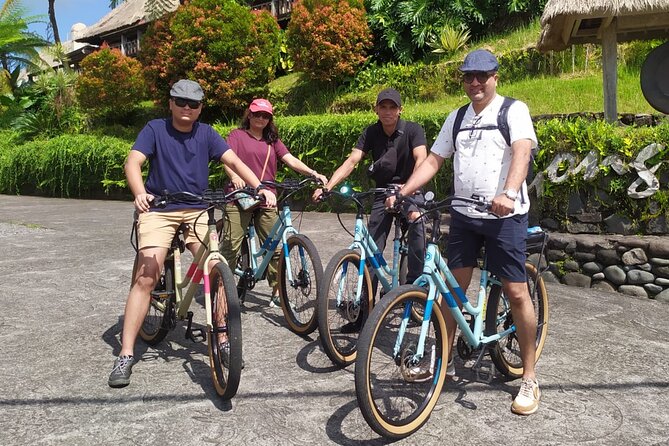
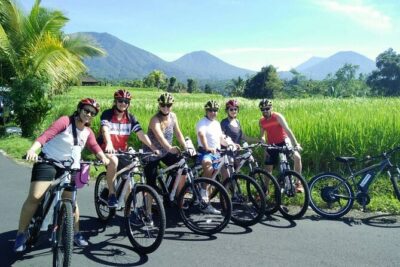
Jatiluwih is best seen at bicycle speed, where the famous rice terraces give way to quieter farm tracks, mountain views, and irrigation channels. The e-bikes make the hills manageable, even if you have not ridden one before. I especially like the small-group feel when numbers are low and the way guides such as Gideon explain farming, plants, and local culture rather than simply pointing at scenery.
I also like that the route reaches Luhur Besikalung Temple, a less expected stop with a distinctive old Linga Yoni and gong-like chain. The main drawback is that the tour begins in Jatiluwih, not central Ubud, and the roughly three to four hours still require a reasonable level of balance and comfort on a bicycle.
Key points at a glance
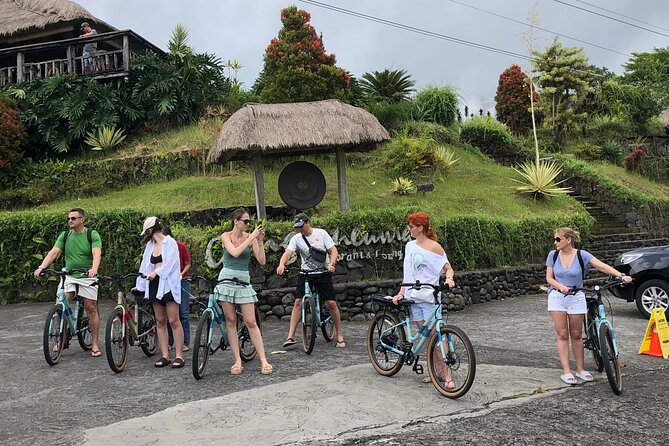
- Electric bikes handle Jatiluwih’s hills: You still pedal and steer, but electric support reduces the strain on climbs.
- Quiet rice-field routes: The ride reaches less-visited parts of the UNESCO-listed Jatiluwih area.
- Guides add real context: Gideon and Gilan are among the guides associated with the experience, explaining irrigation, plants, geography, farming, and daily life.
- Temple visit included: Luhur Besikalung Temple takes about 30 minutes and adds a cultural stop beyond the rice terraces.
- Mountain views and a restaurant finish: After the temple, you may be invited to take a boogie ride to Gong Jatiluwih Restaurant and lounge.
- Good value at $49.95: The price is reasonable if you want a guided route, electric bike, temple visit, and local interpretation in one outing.
Why Jatiluwih works so well on an e-bike
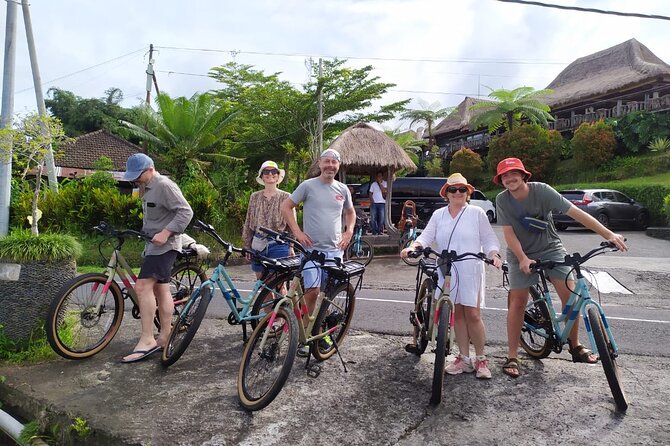
Jatiluwih is not just a viewpoint with a row of rice fields in front of it. The area is a working agricultural region, shaped by channels, gates, paths, and terraces that distribute water across broad stretches of farmland.
That makes cycling a smart choice. On foot, you can see the terraces, but you may cover less ground and spend more energy on the hills. By car, you move quickly between viewpoints and miss the smaller tracks. An e-bike gives you a middle path: enough movement to feel connected to the place, with electric assistance when the road rises.
The special benefit here is access to quieter sections of the rice fields. The route is designed to reach areas that receive fewer visitors, so you are not limited to the most photographed roadside views. You may pass farm plots, narrow paths, and changing views of the terraces as the ride continues.
The bikes are described as comfortable and simple to use. That matters if you have not ridden an e-bike before. You still need to steer, brake, shift gears, and pay attention to the surface, but the electric support takes the edge off the climbs.
One person on the tour had not used an e-bike before, while another had not ridden for some time, and both were able to take part. That does not mean the activity is effortless. You should be comfortable sitting on a bicycle, controlling it on uneven routes, and managing some variation in height. The electric motor helps with hills, but it does not replace basic cycling ability.
More trips out to the Jatiluwih terraces:
- West Bali Tour: Taman Ayun, Ulun Danu Beratan, Jatiluwih Rice Terrace, Tanah Lot
★ 5.0 · 122 reviews - Private Full-Day Handara, Ulun Danu, Jatiluwih and Tanah Lot Tour
★ 5.0 · 63 reviews - Jatiluwih Batukaru Mountain Nature’s Best Tour
★ 4.5 · 31 reviews
Two hours among the Jatiluwih rice terraces
The longest part of the outing is the visit to Jatiluwih Green Land, planned for about two hours. This gives you time to see more than a single terrace viewpoint and to learn how the farming system works.
The irrigation network is one of the main reasons this area matters. Water is distributed across the rice fields through a traditional system that has developed over hundreds of years. Your guide explains how the water reaches the fields and why the system is important to the people who farm here.
This is where the guide can make the greatest difference. Gideon, one of the guides associated with the tour, has been praised for explaining culture, geography, agriculture, and farmers’ daily lives. Another guide, Gilan, has been associated with family outings through the fields. You may also hear about plants and leaves, including their smell, taste, and traditional medicinal uses.
Those details turn a pleasant ride into a more useful visit. Without explanation, a rice terrace can look like a beautiful pattern of green and water. With context, you begin to see the gates, channels, planting areas, and work behind the view.
The route includes changes in height, but the electric assistance and gears help make those sections manageable. One practical tip is to use the gears rather than relying only on the motor. The combination makes the bike easier to control and reduces fatigue.
The scenery is the main reward. Jatiluwih is known for wide rice terraces backed by mountain views, and the bicycle route lets you see the setting from several angles. The view changes as you move, which is far more satisfying than taking one photograph and leaving.
The weather deserves attention. The tour requires good conditions, and the area can be hot or wet depending on the day. Morning departures are worth considering if available, especially since the operating hours begin at 6:00 AM. An early start may also give you cooler riding conditions and softer light, though the experience information does not promise a sunrise departure for every booking.
Luhur Besikalung Temple and its unusual chain
The second named stop is Luhur Besikalung Temple, also called Pura Luhur Besi Kalung. It is located in Utu Traditional Village in Penebel, Tabanan, and the visit lasts about 30 minutes.
The temple adds a different layer to the ride. Jatiluwih is easy to treat as a photography stop, but a temple visit gives you a chance to consider the religious and cultural setting around the farms.
The site is known for a distinctive Linga Yoni said to be more than a hundred years old, along with a chain necklace associated with a gong-like sound. That unusual feature gives the stop a clear identity. It is not simply another temple placed into the route to fill time.
The admission ticket for this temple is included. Admission to Jatiluwih Green Land itself is not included, so keep that extra cost in mind when working out your full budget. The provided information does not state the exact entrance fee for the rice-field area.
You should treat the temple as a respectful cultural visit, not just a quick photo stop. The guide can help explain what you are seeing, while the short duration keeps the outing moving. If temples are important to you, this stop makes the e-bike route more rewarding than a basic ride through the fields.
The boogie ride and Gong Jatiluwih stop
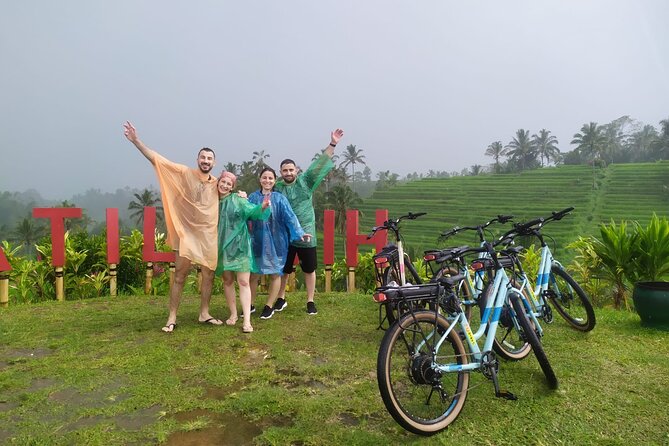
After the temple, participants are invited to take a boogie ride from the temple to Gong Jatiluwih Restaurant and lounge. The description presents this as part of the adventure and a way to continue through the natural setting without returning immediately to the bicycles.
The restaurant provides a place to enjoy lunch with views of Jatiluwih. The wording indicates that lunch is part of the planned finish, but it does not clearly state whether the meal is included in the $49.95 price. I would confirm that before booking, especially if you are comparing this tour with other cycling options.
This final stop gives the outing a gentler ending. After two hours on the bike and a temple visit, you may appreciate sitting down rather than finishing with another hard climb. The scenery remains part of the experience, so the pause is not simply a break from the tour.
The phrase boogie ride may refer to a small buggy-style vehicle, but the supplied details do not explain the vehicle itself. Consider it an additional ride arranged after the temple, and ask the operator if you need to know exactly what transport is used.
More cycling days around Ubud:
- Electric Cycling Tour of Ubud with Free Hotel Transfer and Lunch
★ 5.0 · 1,397 reviews - Ubud: Downhill Cycling with Volcano, Rice Terraces and Meal
★ 5.0 · 536 reviews - Half-Day Ubud Electric Cycling Tour to Tirta Empul Water Temple
★ 5.0 · 315 reviews - Electric Bike Tour in Ubud
★ 5.0 · 281 reviews
What $49.95 gets you
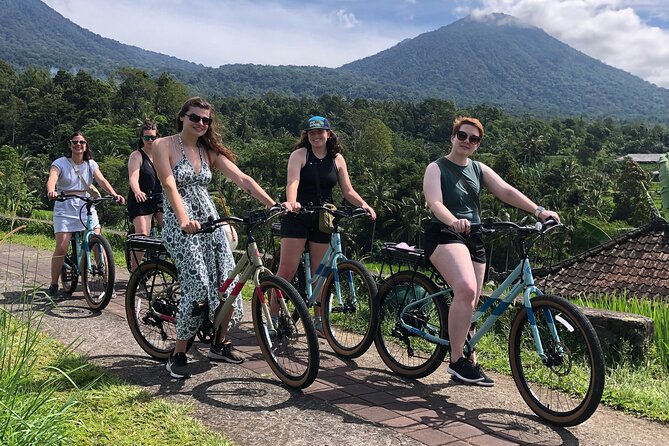
At $49.95 per person, this is a solid value for someone who wants more than bike hire. The price brings together an electric bike, a guided route, explanations of the farming system, a temple visit, and the planned continuation to a restaurant.
A self-guided rental may cost less, but you would need to find your own route and would miss the explanations about irrigation, plants, farmers, and local culture. The guide is the part that gives the price its meaning.
The value is also stronger for people who would struggle with a conventional bicycle. Jatiluwih has slopes, and electric assistance lets you cover more ground without turning the outing into a test of endurance. You still get the physical pleasure of riding, but the motor keeps the focus on the scenery.
The price is less attractive if you only want a short photo stop or have your own transport and prefer to explore independently. It also does not clearly include every possible expense, since the Jatiluwih admission fee is excluded and the lunch arrangement is not fully specified.
The maximum group size is 30 people. That is not a guarantee of a small group, and a group of that size could feel less personal on narrow paths. Still, the experience can operate with very few participants, and a low-number departure would make it easier to ask questions and ride at a comfortable pace.
Who will enjoy this ride most
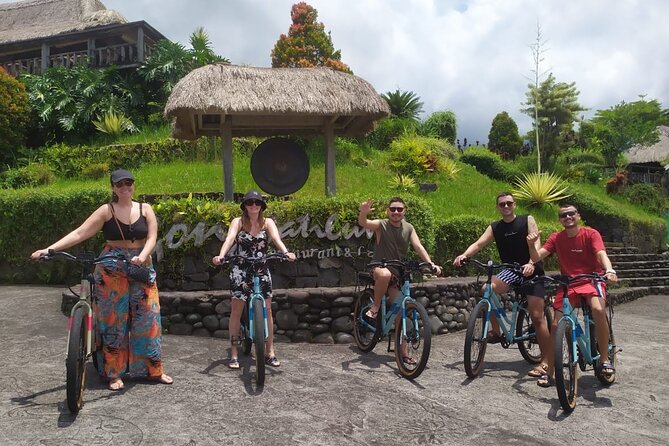
I would recommend this outing to reasonably fit adults, families with teenagers, and anyone who wants to see Jatiluwih without committing to a demanding trek. The electric assistance is useful for mixed-ability groups, since one person can ride with less strain while still taking part in the same route.
It is also a good match for first-time e-bike users. The bikes are described as easy to ride, and the support can make the transition less intimidating. You should still know how to ride a bicycle and feel able to brake and steer safely.
The tour suits people who care about context. If you want to know how water reaches the fields, how plants are used, or how farmers work the area, the guide’s explanations will add a lot. If you only want an unstructured ride, the scheduled stops may feel more organized than necessary.
The route may be less suitable if you dislike uneven surfaces, hills, heat, or outdoor activities that depend on the weather. The ride is not described as wheelchair accessible, so you should contact the operator directly if you have mobility concerns. Service animals are allowed, and most people can participate.
Meeting point, timing, and practical planning
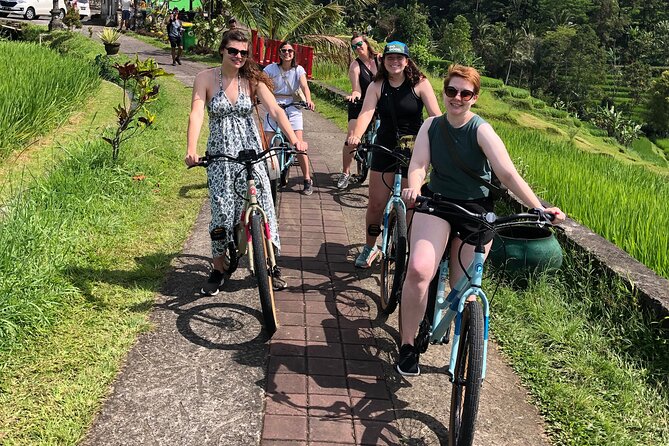
The meeting point is Giri eBikes Rental and Tour at Jl. Batu Luwih Kawan Br. Gunungsari No. 259, Jatiluwih, Penebel, Tabanan, Bali 82152. Although the experience is marketed in connection with Ubud, the actual starting point is in Jatiluwih, so check your travel time carefully before choosing a departure.
The activity runs Monday through Sunday from 6:00 AM to 3:00 PM during the stated operating period. The outing itself lasts about three to four hours and ends back at the meeting point.
Wear clothing that is comfortable for cycling and respectful for the temple visit. Since the weather can affect the activity, bring practical sun and rain protection. You may also want water and a small bag that will not interfere with steering.
Confirmation is received at booking. The maximum capacity is 30 people, and the service allows service animals. If poor weather causes cancellation, you are offered another date or a full refund. You can cancel for a full refund up to 24 hours before the start time, but changes or cancellations inside that window are not accepted.
Should you book the Jatiluwih e-bike tour?
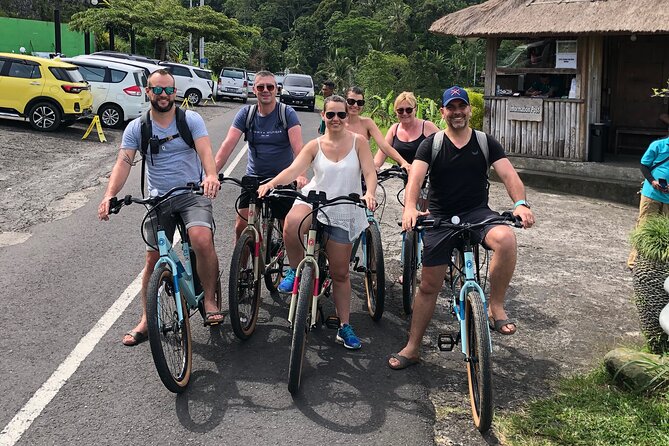
Book it if you want a guided, active way to see the rice terraces and prefer electric assistance to a standard bicycle. The combination of quieter farm routes, irrigation knowledge, Luhur Besikalung Temple, and mountain views gives you more substance than a quick roadside stop.
I would be especially comfortable recommending it to couples, families with teenagers, and older adults who are reasonably fit but do not want a punishing ride. The experiences associated with guides such as Gideon and Gilan suggest that the explanations are a major part of the value.
Think twice if you are based in central Ubud and do not want a long transfer to the meeting point, or if you want complete independence. Also confirm the Jatiluwih admission fee and lunch cost before paying, since those details are not fully included in the stated price.
For most people who want to understand Jatiluwih while still enjoying an easy outdoor adventure, this is a well-balanced choice.
FAQ
Where does the Jatiluwih e-bike tour start?
It starts at Giri eBikes Rental and Tour, Jl. Batu Luwih Kawan Br. Gunungsari No. 259, Jatiluwih, Penebel, Tabanan, Bali 82152, Indonesia.
How long does the experience last?
The activity lasts approximately three to four hours.
What time does the tour operate?
The stated operating hours are Monday through Sunday, from 6:00 AM to 3:00 PM.
Is the Jatiluwih entrance ticket included?
No. Admission to Jatiluwih Green Land is not included. Admission to Luhur Besikalung Temple is included.
Is lunch included in the price?
The route ends with an invitation to continue by boogie ride to Gong Jatiluwih Restaurant and lounge for lunch, but the provided details do not clearly confirm whether lunch is included in the $49.95 price.
Can beginners use the electric bikes?
The bikes are described as comfortable and simple, and the electric support helps with hills. You should still be able to ride, steer, and control a bicycle.
What happens if the weather is bad?
The activity requires good weather. If it is canceled because of poor conditions, you can choose another date or receive a full refund.
Newly added Ubud trips
- authentic Balinese organic cooking class in Ubud★ 5.0 · 4 reviews
- Farm-to-Table Balinese Cooking Experience★ 4.0 · 3 reviews
- Sunrise Jeep Tour Mount Batur Kintamani Bali★ 5.0 · 24 reviews
- coconut wine and coffee safary tour★ 5.0 · 16 reviews
- Nungnung Waterfall,Jatiluwih Heritage UNESCO and Bedugul Tour★ 5.0 · 5 reviews
- Bali Amazing Cycling Tour★ 5.0 · 4 reviews
- Authentic Balinese Cooking Class with Jewelry Making Class★ 5.0 · 3 reviews
- Bali Rural Village Bike★ 5.0 · 10 reviews
Jatiluwih Rice Terrace Tours, compared.
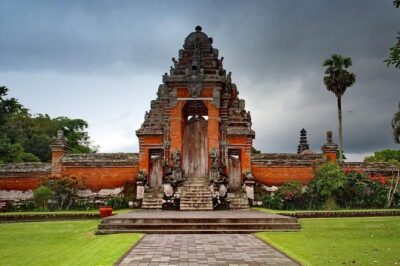
West Bali Tour: Taman Ayun, Ulun Danu Beratan, Jatiluwih Rice Terrace, Tanah Lot
Read our review →
Private Full-Day Handara, Ulun Danu, Jatiluwih and Tanah Lot Tour
Read our review →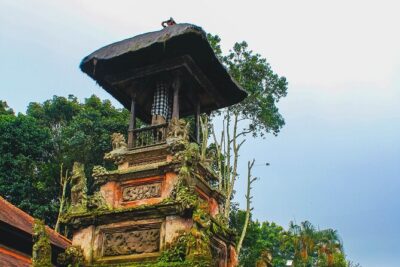

Private Jatiluwih Rice Terraces Heritage Site and Culture Tour
Read our review →
Bali UNESCO Sites: Water Temples and Jatiluwih Rice Terrace Tour
Read our review →
Tanah Lot – Jatiluwih (UNESCO) – Bedugul and Ulun Danu Temple Tour
Read our review →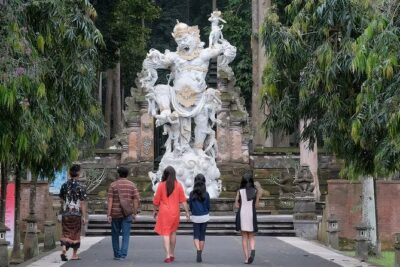
Jatiluwih Spiritual Journey of Melukat with Rice Terrace View
Read our review →Browse the lists this tour appears in