
Reviewed · UBUD BALINESE COOKING CLASSES
Balinese Ubud cooking school (9 Dish Cooking and Market Tour)
The best part of this Ubud cooking class is the sheer amount of food you make. Instead of stopping after two or three recipes, you work through nine Balinese dishes, from sate lilit and lawar to sambal matah and klepon. The morning option adds a local market, rice paddies, and a look at everyday village life.
I like the market visit, where you can taste unfamiliar fruit, sweets, spices, and vegetables before cooking. I also like the friendly teaching style, with instructors such as Yogi and Putu guiding each step and kitchen staff helping you work at your own stove. The main drawback is the drive: the class is outside central Ubud, and the trip can take close to 50 minutes depending on your pickup point and traffic.
Key points to know before booking
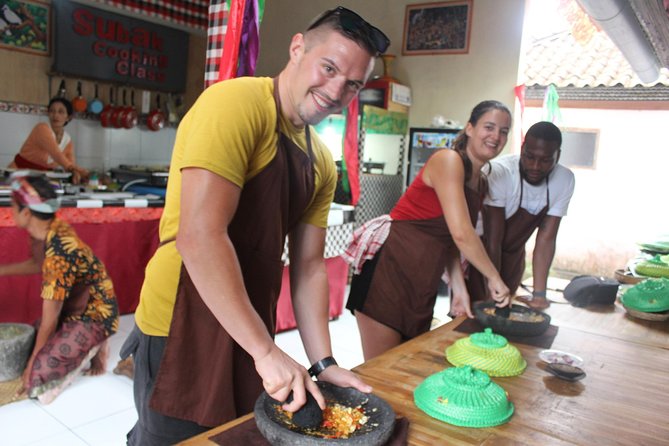
- Nine recipes in one class: You make a large Balinese meal rather than a token sample of local cooking.
- Morning means more than cooking: The morning schedule includes a traditional market and rice-paddy visit.
- Choose your menu carefully: Regular and vegetarian versions are available, but select your preference when booking.
- The food is hands-on, with some preparation done ahead: You cook the key steps, though this is not a from-scratch kitchen apprenticeship.
- Pickup is limited to Ubud: Pickup and drop-off are included in the Ubud area, with extra charges outside it.
- Small-group format: The class accepts up to 14 people, with individual cooking stations reported in several sessions.
Nine Balinese dishes instead of a quick cooking demonstration
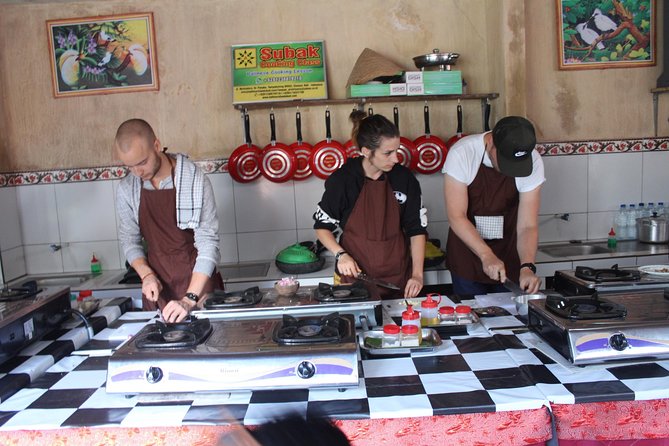
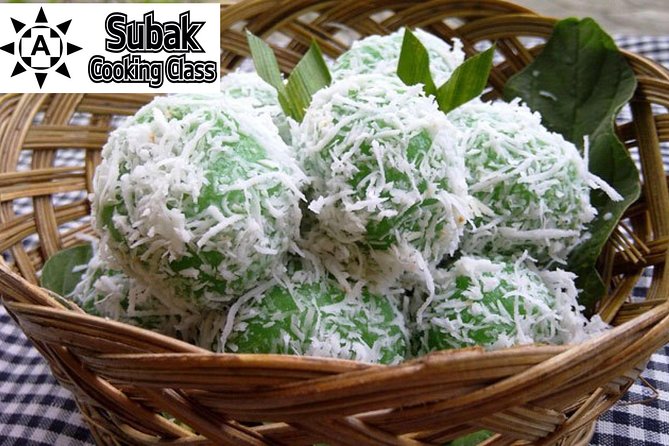
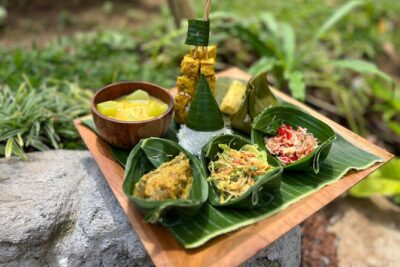
This class is built around a generous menu. The regular version includes Balinese vegetable soup, chicken in coconut milk and Balinese spices, sweet fried tempe, chicken sate lilit, chicken pepes, lawar, sambal matah, base gede, and klepon cake. White rice accompanies the main dishes.
The vegetarian menu replaces the chicken dishes with tofu in Balinese sauce, tempe skewers with peanut sauce, and steamed or grilled tofu in banana leaf. The rest of the menu stays close to the regular class, including soup, sweet tempe, lawar, sambal matah, base gede, klepon, and rice.
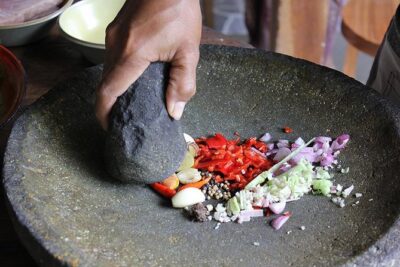
A small point matters here: the class description calls this a nine-dish experience, but base gede is a spice paste used across Balinese cooking rather than a stand-alone meal. That is not a complaint. Learning base gede may be the most useful part of the day because it gives you the foundation for making Balinese flavors at home.
You should arrive hungry. The cooking produces a substantial lunch or dinner, and the portions can be more than one person can finish. Leftovers may be packed to take back to your hotel, though that depends on what remains and how the kitchen handles takeaway food that day.
More Balinese cooking classes in Ubud:
- Ubud Cooking Class Bali with Balinese Chef
★ 5.0 · 1,609 reviews - PRIVATE Authentic Balinese Cooking Class in Ubud at Putu’s Home
★ 5.0 · 644 reviews - Balinese Farm Cooking Class by Pemulan Bali
★ 5.0 · 410 reviews
What you actually do at the cooking table
The teaching follows a practical, step-by-step format. You work with a Balinese chef and prepare ingredients, combine spices, cook the dishes, and assemble the meal with help from the kitchen team.
You are not expected to arrive with cooking experience. The instructors explain the preparation clearly, and the class is designed so you can follow along even if you have never made Balinese food before. English-speaking guides and instructors are part of the experience, and several guides have been praised for their humor and clear explanations.
The class uses ingredients and kitchen equipment that may not be familiar from home cooking. That gives you a better feel for Balinese methods than simply watching a chef work. At the same time, you should keep your expectations realistic: some preparation is done in advance, so you may not perform every single step from washing and chopping through final cooking.
That advance preparation helps the class fit a five-hour schedule and allows you to complete nine dishes. If your main goal is to learn knife work, spice grinding, and every stage of traditional preparation in detail, you may find parts of the class too organized. If your goal is to cook a large Balinese meal, eat well, and take home recipes you can repeat, the format makes sense.
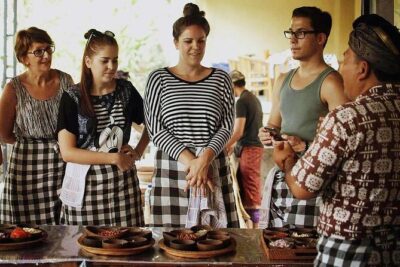
The stations are set up for participation. Different sessions have included couples and small groups sharing a table while each person works at an individual stove or station. The class size can reach 14, so the experience is not private, but the cooking setup gives you a better chance to take part than a lecture-style demonstration.
The morning market is the strongest cultural extra
Choose the morning class if you want the fullest day. Before cooking, you visit a local market with a guide and see how people buy and sell food for daily meals and religious life.
The market is useful because it gives names and purpose to ingredients you later use in the kitchen. You may see tropical fruit, vegetables, spices, local cakes, and flowers used for temple offerings. You can also taste fruit and sweets, including produce you may not recognize from home.
This is not a polished food hall arranged for visitors. It is a working local market, so conditions may be crowded, wet, noisy, or untidy. That is part of the point, but you should wear practical clothes and expect a sensory visit rather than a quiet shopping trip.
Guides such as Wayan and Tata have explained local food, religion, cooking customs, and village life during this part of the outing. The market stop is brief enough to fit the wider schedule, yet it adds context that a cooking class alone cannot provide.
Bring some cash if you want to buy something, although the tour price covers the planned food tasting and cooking experience. The program asks you to bring cash for extra transport charges if you are staying outside Ubud.
Rice paddies and the road beyond central Ubud
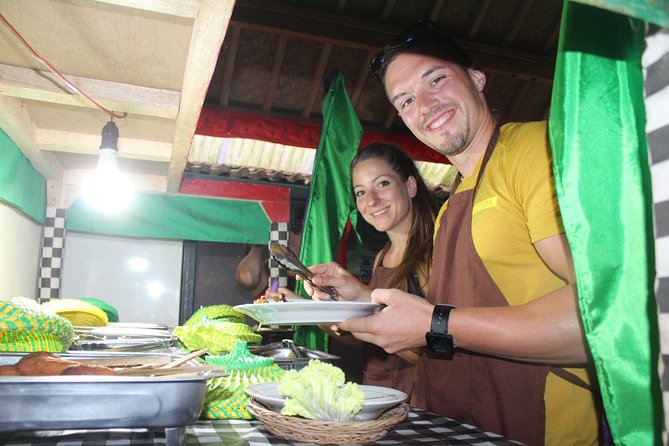
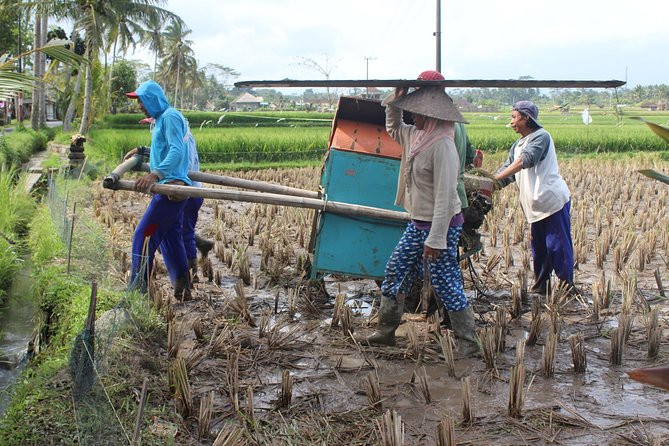
The morning option also includes a visit to rice paddies. You learn how rice is grown in Bali, how many kinds of rice are used, and how long it takes to reach harvest.
The stop gives you a look at the farming system behind the rice served with your meal. It is also a chance for photos, with some sessions offering views toward the volcano. Do not expect a long agricultural lesson or a farm work session. This is a short cultural stop tied to the cooking day.
The biggest practical issue is distance. Pickup is included only in the Ubud area, and the class location is outside the center. Some schedules involve a drive of roughly 50 minutes from the Ubud meeting point, so the five-hour estimate does not include only time at the stove.
You start and finish at Ubud Palace if using the listed meeting point. Check your pickup details closely. If you are staying in Nusa Dua or another area outside Ubud, a transfer may be possible for an added charge, but it must be arranged in advance. Do not assume the standard Ubud pickup applies to your hotel.
Traffic and driving quality can also affect the day. One account described an uncomfortable transfer and confusion over a small toll payment. That may not reflect every driver, but it is a good reason to confirm the transport cost and route before departure.
More traditional market visits around Ubud:
- Balinese Cooking class with traditional morning market visit
★ 5.0 · 161 reviews - PRIVATE Ubud Market Tour & Balinese Cooking Class with Putu
★ 5.0 · 125 reviews - Ubud Cooking Class with Optional Market Visit Pickup Included
★ 5.0 · 70 reviews - Balinese Cooking Class with Traditional Market Tour
★ 5.0 · 66 reviews
Afternoon visitors get a Balinese offering activity
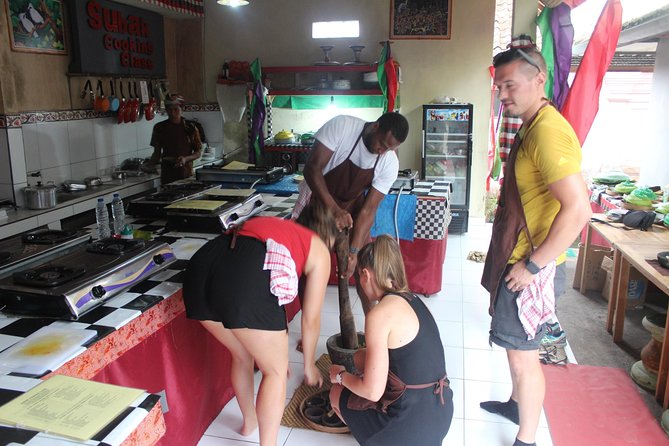
The afternoon schedule changes the cultural stop. Instead of the traditional market and rice paddies, the listed program includes making a Balinese offering.
That option may suit you if religious customs and household traditions interest you more than morning shopping. It also avoids the early start of the market program. The trade-off is clear: the traditional market visit is available only with the morning class, so you cannot expect both options in one standard booking.
The program also includes a visit to a local Balinese house. This adds another glimpse of daily life and helps explain how cooking fits into the home and community setting. The exact order of this stop can vary with the group and the day, so treat it as part of the cultural setting rather than a formal house tour.
The people make the class feel personal
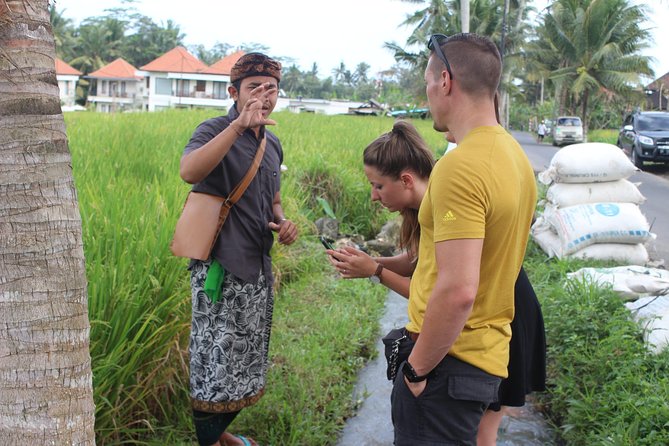
The strongest part of the experience is the teaching team. Instructors named in past sessions include Yogi, Putu, and Gus, while guides such as Wayan and Tata have handled market visits, driving, and cultural explanations.
Yogi is described as funny and clear in his instruction. Gus is known for sharing information about food, culture, and religion while keeping the class warm and relaxed. Putu has also led lively afternoon sessions. Staff members help with ingredients and cooking, which keeps the day moving without leaving you alone at the stove.
Names and assignments can change, so you should not book on the assumption that one particular instructor will be present. The useful point is the teaching style: friendly, interactive, and suited to people who want guidance without a formal culinary-school atmosphere.
The group limit is 14. That is small enough to keep the class manageable, but it is not a private lesson. If you are traveling with family, the format works well across age groups because the recipes are varied and the cooking is broken into clear steps.
Flavor, spice, and dietary choices
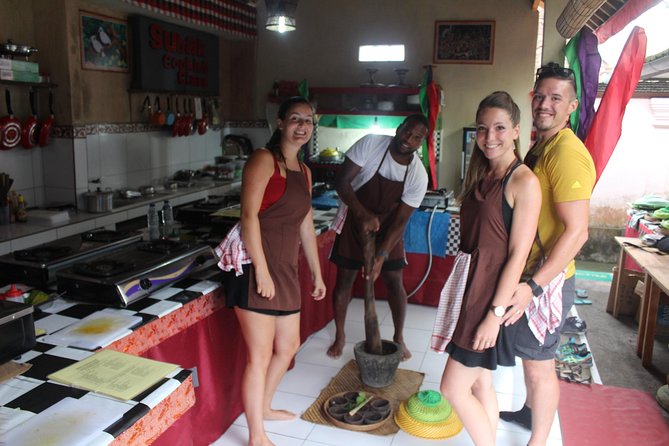
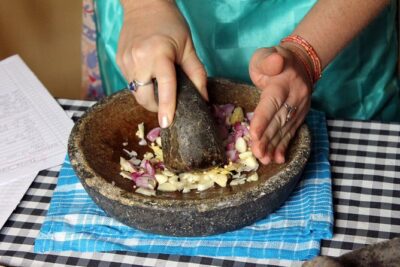
Balinese food often relies on layered spice pastes, coconut, chilies, shallots, garlic, ginger, turmeric, and aromatic herbs. This class lets you build those flavors rather than simply taste them at a restaurant.
Tell the staff how spicy you want your food. One cooking session allowed a participant to reduce the heat while others chose stronger spice. The menu itself includes raw sambal matah, so even a mild preference should be stated clearly before cooking.
Vegetarians have a dedicated menu rather than a last-minute substitution. Tofu and tempe replace the meat dishes, and the vegetarian version still includes a full spread with soup, lawar, sambal matah, base gede, klepon, and rice.
The provided menu does not describe vegan, gluten-free, nut-free, allergy-safe, or other specialized options. If you have a serious allergy or strict dietary rule, contact the provider before booking and do not assume the regular or vegetarian menu will meet your needs.
Is $58 good value for five hours?
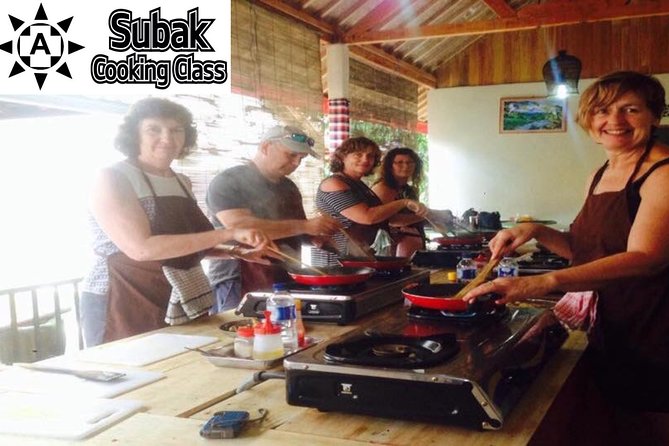
At $58, the value depends on how much of the day you use. You receive transport within Ubud, a guide, the cooking class, ingredients, kitchen equipment, bottled water, a market visit on the morning schedule, a rice-paddy visit, recipes to take home, and the meal you prepare.
Nine dishes also changes the calculation. A cheaper class that teaches three dishes may be enough if you want a short activity. Here, you pay for a longer food and culture outing, with a full lunch or dinner at the end.
The value is strongest for food-focused visitors, families, and anyone who wants recipes to repeat at home. It is weaker if you dislike group activities, want a private chef lesson, or are staying far from Ubud and face a sizable transport supplement.
The class has a high published rating and a 99 percent recommendation figure, but the practical details matter more than the headline score. Most important are the long transfer for some pickups, the group setting, and the fact that not every preparation step is done by you.
What to bring and how to plan the day
Wear ordinary comfortable clothes. The program suggests a normal uniform, and a kitchen class combined with a market visit is not the place for delicate clothing or uncomfortable shoes.
Bring your booking confirmation, a camera, and cash for possible transport charges outside Ubud. You may also want a small bag for recipe papers and any food you are allowed to take away.
If you choose the morning schedule, keep the rest of your day flexible. The class itself lasts about five hours, but traffic can add time, particularly when traveling between central Ubud and the cooking location.
Cancellation is free if you cancel at least 24 hours before the start time. Changes or cancellations made within 24 hours are not accepted for a refund, using the local activity time as the cutoff.
Who should book this cooking class?
I would choose this class if you want a full Balinese food experience rather than a single demonstration. The menu is broad, the instructors keep the mood relaxed, and the market and rice-paddy stops give you a better sense of where the food comes from.
It also suits families and mixed-age groups. You can cook alongside a partner, share the meal with the group, and adjust the regular menu to a vegetarian version. The food is substantial, so it works well on a day when you do not plan another large meal.
I would be more cautious if you have limited mobility, dislike long car rides, or need a very precise private lesson. The available information does not describe accessibility arrangements, and the drive may be tiring for some people. Ask about your pickup, dietary needs, and how much hands-on work is planned before you commit.
Should you book it?
Book the morning class if you want the best version of the experience. The market, fruit tasting, rice paddies, and cooking make a well-rounded half-day, and you still finish with a large meal and recipes for home.
Choose the afternoon class if the offering activity appeals more or you prefer a later start. Either way, expect a friendly group class with lots of food, some advance preparation, and a drive beyond central Ubud.
For $58, this is a strong choice for anyone who measures value in time, food, and local contact. Just confirm your transport from the start, choose regular or vegetarian in advance, and arrive ready to eat.
FAQ
How long does the Ubud cooking class last?
The experience lasts approximately five hours, including the cultural stops and the cooking session.
Where does the activity start and finish?
The listed meeting point is Ubud Palace on Jl. Raya Ubud. The activity ends back at the meeting point.
Is hotel pickup included?
Pickup and drop-off are included in the Ubud area. Pickup outside Ubud may be available for an additional charge, but it must be requested in advance.
Does every class include a market visit?
No. The traditional market visit is provided only with the morning class.
What does the morning option include?
The morning option includes a local market visit and a rice-paddy visit, along with the cooking class and meal.
What does the afternoon option include?
The afternoon option includes making a Balinese offering. The traditional market visit is not part of the afternoon schedule.
Can I choose vegetarian food?
Yes. You can choose a vegetarian menu featuring tofu and tempe dishes instead of the meat options. Select regular or vegetarian when booking.
What is included in the price?
The price includes bottled water, ingredients and kitchen equipment, food tasting, the lunch or dinner you prepare, recipes to take away, a driver or guide, a local host, and the listed cultural visits for your chosen schedule. Alcoholic drinks and extra transport outside Ubud are not included.
Newly added Ubud trips
- Sunrise Jeep Tour Mount Batur Kintamani Bali★ 5.0 · 24 reviews
- authentic Balinese organic cooking class in Ubud★ 5.0 · 4 reviews
- Farm-to-Table Balinese Cooking Experience★ 4.0 · 3 reviews
- coconut wine and coffee safary tour★ 5.0 · 16 reviews
- Nungnung Waterfall,Jatiluwih Heritage UNESCO and Bedugul Tour★ 5.0 · 5 reviews
- Bali Amazing Cycling Tour★ 5.0 · 4 reviews
- Authentic Balinese Cooking Class with Jewelry Making Class★ 5.0 · 3 reviews
- Bali Rural Village Bike★ 5.0 · 10 reviews
Ubud Balinese Cooking Classes, compared.
PRIVATE Authentic Balinese Cooking Class in Ubud at Putu’s Home
Read our review →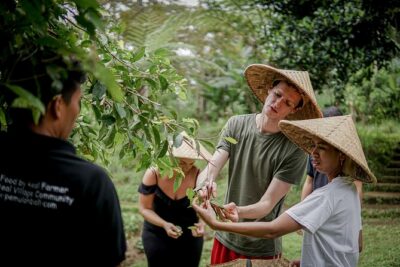
PRIVATE Balinese Cooking Class in Ubud with Dewa with Transfers
Read our review →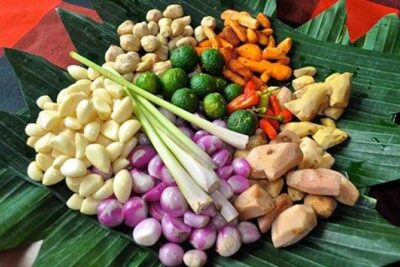
Balinese Cooking class with traditional morning market visit
Read our review →
PRIVATE Ubud Market Tour & Balinese Cooking Class with Putu
Read our review →Browse the lists this tour appears in