
Reviewed · UBUD BALINESE COOKING CLASSES
PRIVATE Authentic Balinese Cooking Class in Ubud at Putu’s Home
The special part of this experience is not just the food. Putu invites you into her family compound, where cooking is tied to the garden, the rice fields, the home temple, and daily Balinese life. You prepare five dishes, then sit down to eat them in the same place where the ingredients were grown.
I like the private format, since you are not one person at a long classroom counter. I also like the clear sense of place: fresh produce from Putu’s family garden, rice cultivated by her grandparents, and stories about Hindu customs and traditional Balinese medicines. The main thing to consider is time. The home can be around 40 minutes from central Ubud, and the full outing takes about three hours, so do not squeeze it between tightly timed plans.
Key points to know before booking
- Five dishes from scratch: Chop, grind, steam, grill, and season a full Balinese meal with Putu’s guidance.
- A real family compound: See the home temple, living areas, garden, orchard, and farm before cooking.
- Private and personal: Only your group participates, with Putu and sometimes members of her family helping.
- Fresh local ingredients: Much of the rice, fruit, vegetables, herbs, and spices come from the family property.
- Lunch or dinner choice: Night classes take place in a well-lit outdoor kitchen.
- Ubud hotel pickup included: Transport from outside Ubud costs extra, and the drive may take time.
Why this Ubud cooking class feels different
Ubud has no shortage of cooking schools. Many begin in a market, continue in a purpose-built kitchen, and end with a plate of food. That can be useful, but Putu’s class offers something more personal. You arrive at a working family home, not a cooking studio designed only for visitors.
Putu welcomes you with her husband, children, grandparents, or other relatives depending on the day. She shows you the layout of a traditional Balinese compound and explains the role of its temple, living spaces, gardens, and shared areas. That short tour gives the cooking lesson a useful frame: food here is connected to family, farming, ceremony, and religion.
The class is private, so the pace can fit your group. If you are an eager cook, you can take on more of the chopping and grinding. If you have limited kitchen experience, Putu is patient and stays close to each step. Families with children and groups ranging from young children to older adults have found ways for everyone to take part.
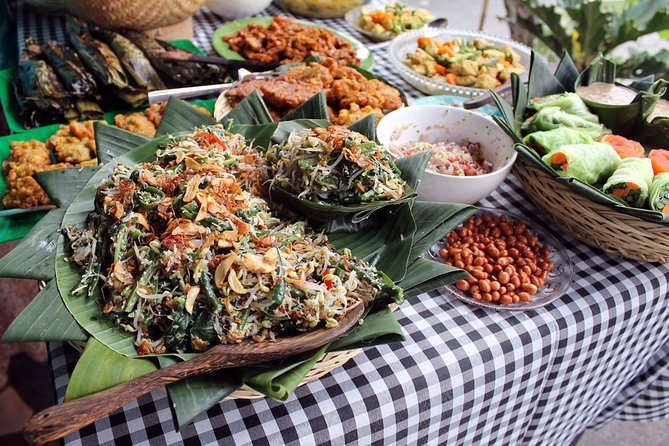
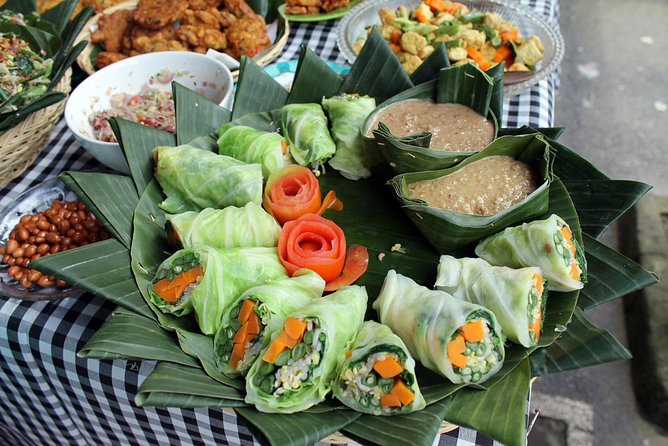
I especially like that the meal is not treated as a quick demonstration. You help make five dishes, then eat the results together. Depending on the menu and season, you might prepare grilled fish, curry, banana leaf parcels, satay, vegetables, rice, or other Balinese dishes. The exact menu changes with what is fresh.
More Balinese cooking classes in Ubud:
- Ubud Cooking Class Bali with Balinese Chef
★ 5.0 · 1,609 reviews - Balinese Ubud cooking school (9 Dish Cooking and Market Tour)
★ 5.0 · 540 reviews - Balinese Farm Cooking Class by Pemulan Bali
★ 5.0 · 410 reviews
The drive from Ubud to Putu’s village
Round-trip transport from a hotel in Ubud is included. This makes the outing far easier than arranging a taxi both ways, especially for an evening class. Put your hotel name on the booking so pickup can be arranged, and keep WhatsApp available since it is used for communication and pickup details.
Allow plenty of time. One detailed account puts the home about 40 minutes from Ubud Center. Traffic, your hotel’s location, and the road conditions can affect the journey. This is not a quick class in the middle of town. It is a visit to a family home in a more rural setting.
That extra drive is part of the appeal. You leave the restaurant district and reach a place where gardens, farm plots, temples, and family compounds are part of everyday life. Still, I would not book a spa appointment, airport transfer, or major sightseeing stop immediately afterward. The advertised duration is about three hours, and pickup and drop-off add travel time.
If you are staying outside Ubud, transport is not included and an extra charge applies. Confirm the cost before booking. The same is true if your hotel is far beyond the normal Ubud pickup area.
Touring the compound, temple, and family garden
The visit begins with an introduction to Putu’s home. She explains the different sections of a traditional Balinese family compound, including the home temple and living quarters. This is more than a quick look around. You get useful context about how a Balinese household is arranged and why certain spaces matter.
The family temple is an important part of the visit. Putu also talks about Balinese Hinduism and ceremonies taking place in the area. She has a relaxed sense of humor, which helps keep the cultural explanation lively rather than formal.
Next comes the garden and farm. Depending on the season, you might see fruit trees, vegetables, herbs, rice, and animals raised or cared for by the family. Putu uses this time to explain the spices in Balinese cooking and the traditional medicinal uses of some plants.
Several dishes use ingredients picked from the property. Fresh mangosteen has been offered from the garden, and family-grown rice accompanies the meal. You may also see the grandparents’ rice-farming connection, which helps explain why rice is more than a side dish in Bali. It is central to food, work, ritual, and family life.
The garden visit is one of the best reasons to choose this class over a standard cooking lesson. You do not just hear that an ingredient is local. You see where it grows, learn how it is used, and then taste it in the meal.
The outdoor kitchen and the five-dish lesson
Putu’s kitchen is simple rather than polished. It may have a two-burner cooktop, an outdoor setup, wood blocks, small cleavers, and traditional cooking tools. That simplicity is part of the lesson. You see how a skilled home cook creates layered flavors without a large professional kitchen.
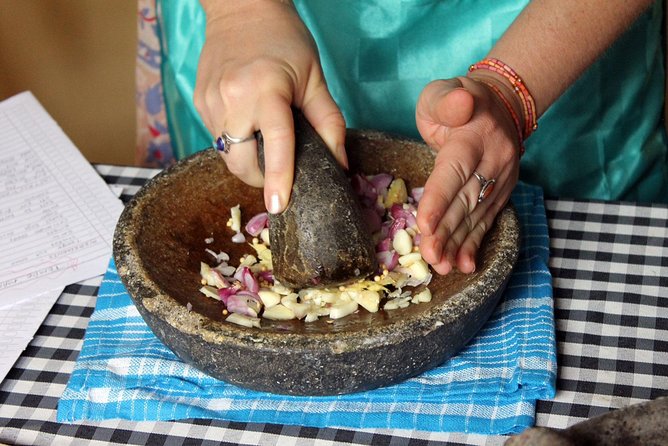
The cooking portion lasts about 1.5 hours within the roughly three-hour experience. Putu prepares the ingredients and guides you through each stage, but you are expected to take part. You may chop vegetables, grind spice mixtures by hand, season fish or meat, fill banana leaves, prepare satay, or work with curry ingredients.
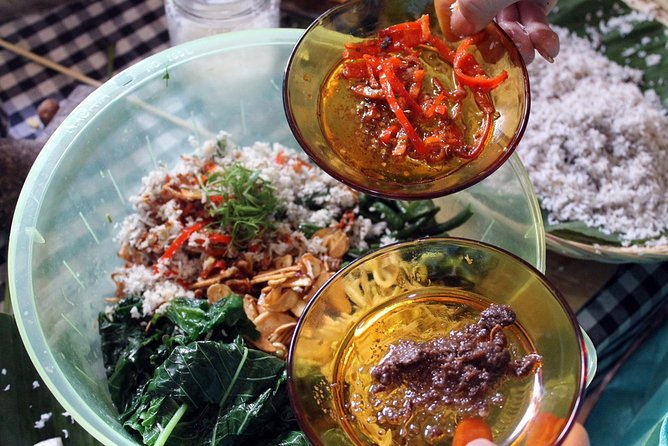
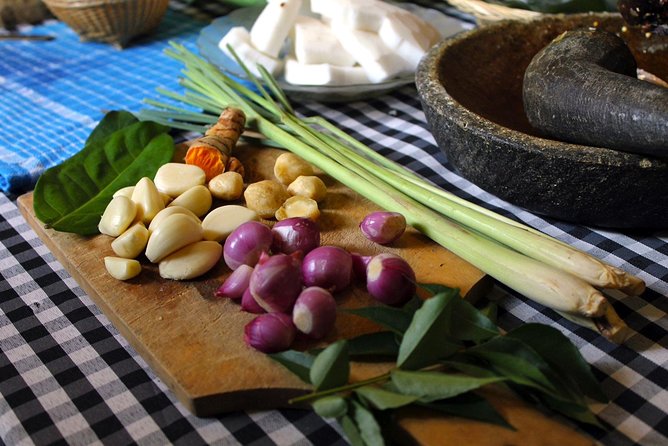
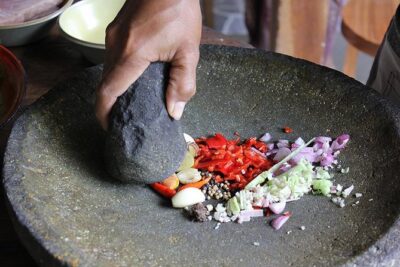
The spice work is especially useful for anyone who wants to recreate the food at home. Balinese dishes often build flavor through a mixture of chilies, aromatics, roots, herbs, and spices. Putu explains how the ingredients are combined and lets you adjust the heat level. That matters if your group has different tolerances for chili.
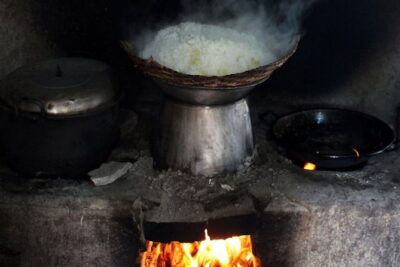
Traditional methods may appear alongside modern conveniences. Rice can be steamed over a wood-burning stove, while other items cook on the small stovetop. The class gives you a feel for the physical work behind Balinese food: grinding, slicing, wrapping, steaming, and grilling rather than simply stirring a prepared sauce.
Putu’s teaching style suits mixed groups. She has been described as patient, encouraging, funny, and comfortable explaining the steps in English. She also adjusts her help to different abilities. Children can handle suitable tasks, while experienced cooks can take a more active role.
A completely different kind of day out from Ubud:
- All-Inclusive Ubud Private Tour
★ 5.0 · 14,344 reviews - Best of Ubud Full-Day Tour with Jungle Swing
★ 5.0 · 8,571 reviews - Ubud: Monkey Forest, Jungle Swing, Rice Terrace, and Water Temple
★ 5.0 · 7,160 reviews - Best of Ubud 1-Day Private Tour
★ 5.0 · 4,451 reviews
Eating the meal you prepared
After the cooking, you sit down to eat the dishes together. This is not a small tasting plate. The class produces a full Balinese feast, with family-grown rice and the food you helped prepare.
You may find grilled fish, curry, banana leaf parcels, satay, vegetables, and other seasonal dishes on the table. Since the menu changes, do not book this expecting one fixed list. The advantage is that the food follows the season and the family’s available ingredients.
A little local alcohol is included, usually one or two glasses, along with nonalcoholic drinks. You can request vegetarian or vegan food when booking, and you should report allergies, dietary restrictions, or cooking preferences in advance. Do not wait until you arrive, since the menu and shopping depend on that information.
The portions can be generous. Some groups have been sent home with leftovers, which is a welcome bonus after a substantial meal. Ask Putu if you would like to take food with you, particularly if your transport back to Ubud is still ahead.
Recipes are also provided, giving you a chance to try the dishes at home. The recipes will not recreate the garden, family setting, or wood fire, but they help turn the experience into something you can use after Bali.
What the private format adds
The $75 price per person is not simply paying for instruction. It includes a private class, a home-cooked meal, drinks, Ubud hotel transport, taxes, fees, and gratuities. Compared with a short group demonstration, that is a strong package if you value time with a local family and door-to-door transport.
The private setup also helps with food restrictions and group dynamics. You can ask questions without waiting for a large class to catch up. Putu can spend more time with a child, help a first-time cook, or explain a spice in greater detail when someone is curious.
This format works particularly well for couples, families, and small groups of friends. It also suits multigenerational groups. An age range from six to 80 has taken part successfully, with Putu making sure each person had a role.
The tradeoff is that the class may feel less polished than a commercial culinary school. The kitchen is a working home kitchen, not a restaurant training facility. If you want printed workstations, uniform equipment, and a fixed menu, this may not be the right choice. If you want a personal look at how food is prepared in a Balinese household, the informal setting is the point.
Lunch or dinner: which should you choose?
A lunch class lets you see the garden and compound in daylight. It is the better choice if you want to focus on plants, fruit trees, the family farm, and the layout of the home. Daylight also makes it easier to notice details during the garden tour.
Dinner has a different mood. The outdoor kitchen is lit after sunset, and the meal feels more relaxed once the work is done. If you choose the evening option, remember that the return drive may take time and that Ubud traffic can affect the schedule.
I would choose lunch for a first visit if your main interest is Balinese family life and farming. I would choose dinner if you have a full daytime schedule or like the idea of cooking outdoors and eating afterward in the cooler evening hours.
Both options include the same basic elements: pickup from Ubud, the home and garden visit, the private lesson, the meal, drinks, and return transport.
Small practical points that matter
Wear clothes that are comfortable for kitchen work. You may spend time chopping, grinding, standing, and moving between the garden and cooking area. The experience is hands-on, so it is not ideal if you want to sit back and watch.
Tell the provider about allergies and dietary needs at booking. Vegetarian and vegan menus are available, but advance notice is required. The menu can vary with the season, so flexibility is useful.
The activity has free cancellation up to 24 hours before the start time. Cancellations or changes made less than 24 hours in advance are not refunded or accepted. Cutoff times follow local time in Bali.
Pickup is included only from Ubud hotels. Staying beyond Ubud does not automatically make you ineligible, but expect an extra transport charge. Include your exact accommodation details when booking.
Who should book this experience?
I would recommend it most to people who want food and culture in the same outing. You will learn about ingredients, but you will also see a home temple, hear about Hindu customs, walk through a family garden, and share a meal with the people who prepared it.
It is a strong choice for families because children can take part in manageable cooking tasks and the setting offers more variety than a standard kitchen lesson. It also works for couples seeking a personal experience during a honeymoon or for friends who want a meal they helped create.
Food lovers will appreciate the fresh produce and traditional methods. Even experienced cooks should find the spice combinations and Balinese techniques useful. Beginners will not be left behind, since Putu guides the process carefully.
I would hesitate only if you have a very tight schedule, dislike outdoor or informal kitchens, or want a guaranteed menu. The drive and seasonal cooking make this a slower, more flexible outing.
Should you book Putu’s Balinese cooking class?
Yes, if you want to see a side of Ubud beyond restaurants and staged demonstrations. The strongest parts are Putu’s warm teaching, the family garden, the traditional compound, and the chance to eat a five-dish meal that you helped prepare.
At $75 per person, the value is good for a private three-hour experience with food, drinks, recipes, Ubud transfers, and a personal cultural introduction. Just allow extra time for the drive, confirm your dietary needs early, and treat the seasonal menu as part of the experience rather than a limitation.
FAQ
How long does the Balinese cooking class last?
The full experience lasts approximately three hours. The hands-on cooking portion lasts about 1.5 hours, followed by the meal and other parts of the visit.
Is hotel pickup included?
Round-trip transport is included from hotels in Ubud. Pickup from outside Ubud costs extra, so provide your hotel name when booking.
How many dishes will I prepare?
You will prepare five authentic Balinese dishes. The exact menu may change depending on the season and available ingredients.
Can I choose between lunch and dinner?
Yes. You can select a lunch or dinner class to fit your schedule.
Is the cooking class private?
Yes. This is a private activity, so only your group participates.
Are vegetarian and vegan menus available?
Yes. Vegetarian and vegan options are available, but you must request them when booking.
Is alcohol included?
The experience includes one or two glasses of local alcohol. Nonalcoholic beverages are also included.
What is the cancellation policy?
You can cancel at least 24 hours before the start time for a full refund. Cancellations or changes made less than 24 hours before the start time are not refunded or accepted.
More craft workshops in Ubud
- Ubud Silver Class Jewelry making in bali
★ 5.0 · 978 reviews - Ubud Monkey Forest Silver Class – Craft Your Own Silver Jewelry
★ 5.0 · 254 reviews - Balinese Authentic Cooking Class in Ubud
★ 5.0 · 239 reviews - PRIVATE Balinese Cooking Class in Ubud with Dewa with Transfers
★ 5.0 · 213 reviews
Newly added Ubud trips
- authentic Balinese organic cooking class in Ubud★ 5.0 · 4 reviews
- Farm-to-Table Balinese Cooking Experience★ 4.0 · 3 reviews
- Sunrise Jeep Tour Mount Batur Kintamani Bali★ 5.0 · 24 reviews
- coconut wine and coffee safary tour★ 5.0 · 16 reviews
- Nungnung Waterfall,Jatiluwih Heritage UNESCO and Bedugul Tour★ 5.0 · 5 reviews
- Bali Amazing Cycling Tour★ 5.0 · 4 reviews
- Authentic Balinese Cooking Class with Jewelry Making Class★ 5.0 · 3 reviews
- Bali Rural Village Bike★ 5.0 · 10 reviews
Ubud Balinese Cooking Classes, compared.
PRIVATE Balinese Cooking Class in Ubud with Dewa with Transfers
Read our review →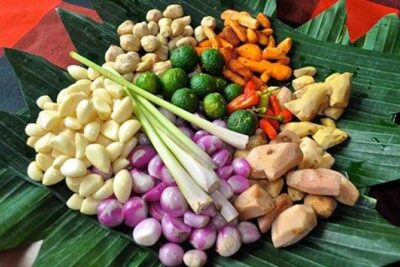
Balinese Cooking class with traditional morning market visit
Read our review →
PRIVATE Ubud Market Tour & Balinese Cooking Class with Putu
Read our review →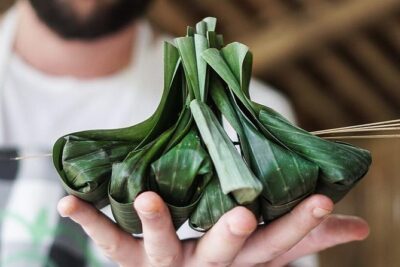
Authentic Bali Farm Cooking School & Organic Farm
Read our review →Browse the lists this tour appears in