
Reviewed · UBUD SILVER JEWELLERY CLASSES
Make Your Own Bali Silver Jewelry Class with Balinese Family
The most interesting part of this class is its setting in Delodsema Traditional Village, north of Ubud, where silver smithing supports much of the local economy. Only about 60 families live here, and the class connects you with work that is part of daily village life rather than a showroom demonstration.
I like the chance to make one personal piece from start to finish, and I like that local teachers, including Petro and Angus, work beside you. The class is also small, with no more than eight people, which should leave room for hands-on help. The main consideration is that 4 grams of silver is the limit, and extra silver, gemstones, or time cost more.
Key points at a glance
- A working silver village: Delodsema is home to about 60 families, with silver smithing driving more than half of the local economic activity.
- Choose your own piece: Make a ring, bracelet, earrings, or a lion design, then take your finished silver item home.
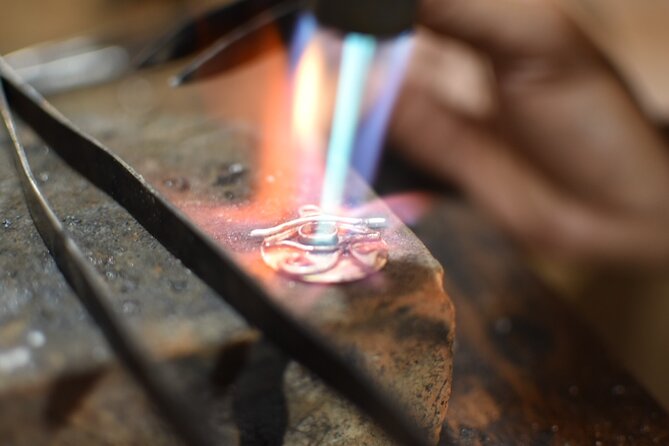
- A guided process: You receive help with burning, cutting, cleaning, and finishing, with safety guidance throughout.
- Small class size: The maximum is eight people, useful if you want direct help with your design.
- Watch the add-on costs: Your booking includes up to 4 grams of silver, while extra silver and gemstones require cash payment.
- A two-hour craft session: The class begins and ends at the Ubud MK2 Silver Class meeting point in Sapat, Tegallalang.
Making jewelry in a Balinese family village
This is not a quick stop at a shop where you pick a finished necklace from a tray. You sit down with silver, choose a design, and take part in the work needed to turn it into a wearable object.
The activity takes place at Ubud MK2 Silver Class in Delodsema Traditional Village, in the Tegallalang area north of Ubud. The location matters because silver smithing is not a side theme added for tourists. It is an important source of income for families who live there, and the class helps bring some of that work directly to international visitors.
I find that kind of setting more meaningful than buying a generic souvenir in central Ubud. You are still taking home a small object, but you also have a story attached to it: you selected the shape, worked the material, and saw the stages that turned silver into jewelry.
The experience lasts about two hours. That is long enough to make one item without turning the class into a full-day workshop. It also means you need to keep your project manageable. A simple ring or pair of earrings should fit the format more comfortably than an elaborate piece covered in stones.
More silversmithing classes in Ubud:
- Ubud Silver Class Jewelry making in bali
★ 5.0 · 978 reviews - Ubud Monkey Forest Silver Class – Craft Your Own Silver Jewelry
★ 5.0 · 254 reviews - Ubud Bali Silver Jewelry Class
★ 5.0 · 163 reviews
Choosing between a ring, bracelet, earrings, or lion design
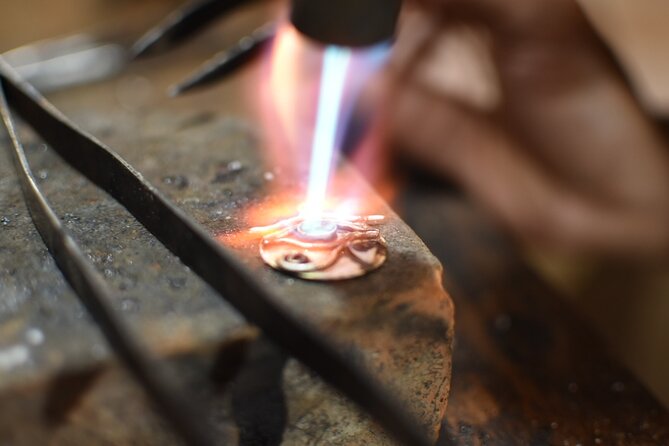
At the beginning, you can choose what you want to make. The available options listed for the class are a ring, bracelet, lion design, or earrings.
You may arrive with a design idea of your own. The instructors invite you to show them what you have in mind, and they can help shape the idea into something suitable for the session. This is useful if you want a personal symbol, initials, or a simple form instead of copying a sample exactly.
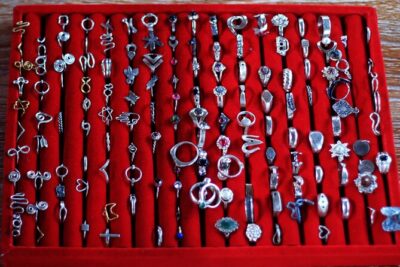
If you have no clear plan, you can look at sample jewelry and use those pieces as a starting point. I would make this decision before the silver work begins. A clear idea will help you spend more of the two-hour session making rather than debating.
The 4-gram silver allowance is an important limit. It is enough for a modest piece, but the amount may not suit a heavy bracelet or a large design. Ask about the silver weight before you commit to an ambitious shape. If your design needs more than 4 grams, the extra charge is IDR 100,000 per gram.
You cannot share the included silver allowance with another person. Each person receives a separate ration for one item. That rule makes the pricing clearer, but it also means two people cannot combine their silver to create one larger piece.
From raw silver to a finished souvenir
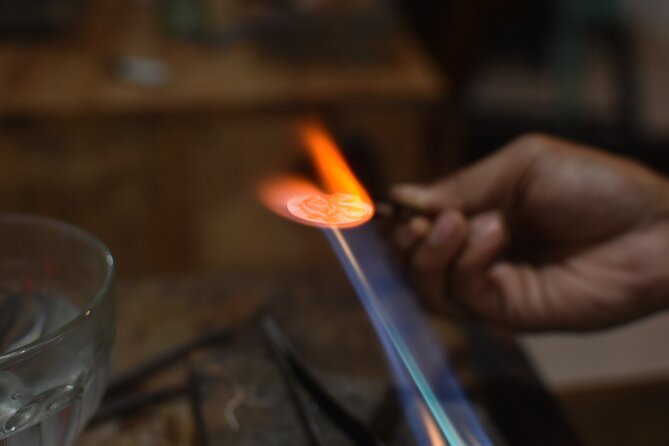
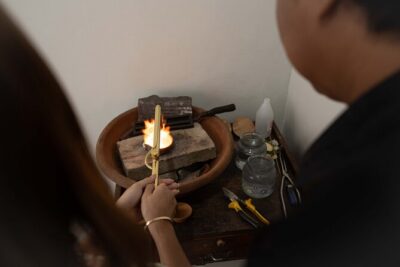
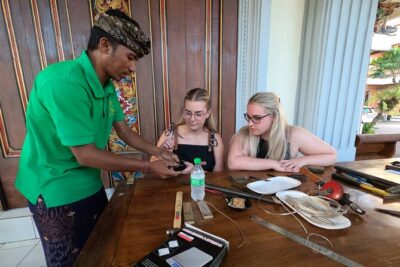
The class covers the main steps of basic silver jewelry making. The instructors help with burning, cutting, cleaning, and finishing, and they stay nearby to assist with the project and safety.
Heating the silver is one of the parts that requires close instruction. The teacher handles the process with you rather than leaving you to guess. You then work through the shaping and cutting stages, followed by cleaning and finishing.
The exact balance between doing the work yourself and receiving assistance will depend on your design and experience. One piece of feedback praised the friendly staff but found the teachers a little too hands-on at times. That is a fair point to keep in mind. Help is valuable when a tool or step is unfamiliar, but you may want to say clearly that you would like to try a task first.
A useful approach is to ask the instructor to demonstrate each step, then let you repeat it under supervision. That gives you a real role in the process while keeping the work safe and on track. If you prefer a polished result above all else, you may appreciate more direct help.
The strongest part of the experience is the sense of progress. You start with a design idea and end with a piece you can wear or give as a present. The final item does not need to be perfect to be worthwhile. Small irregularities can show that it was made during your time in Bali.
What the two-hour schedule means
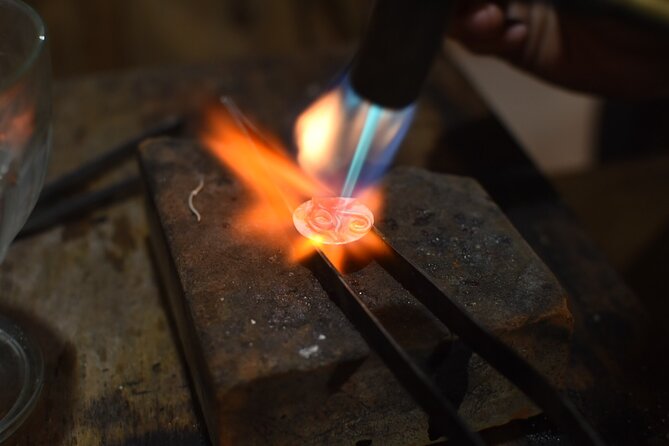
Two hours passes quickly once you have chosen a design and started working. The class is best suited to a single, reasonably simple item rather than several pieces.
The time includes instruction and the work itself. It also includes the final stages that make the jewelry presentable. You should not assume you can add another item at the end without extra time. Additional hours cost IDR 100,000 per hour.
I would arrive with a rough design in mind, especially if you want a meaningful souvenir. A ring with a simple shape, a modest bracelet, or earrings should be easier to complete within the standard session. If you want gemstones or a more detailed design, allow time for decisions and budget for the added materials.
The class provides coffee or tea and bottled water. Those are small touches, but they help during a hands-on session, especially when you are concentrating on tools and heat rather than sightseeing.
More village and culture days around Ubud:
- Balinese Life Style Tour
★ 5.0 · 150 reviews - Private Tour to Trunyan Village “Skull Island of Bali”
★ 5.0 · 73 reviews - Trunyan Cemetery, Hot Spring, Penglipuran Village, and Waterfall Tour
★ 5.0 · 65 reviews - Besakih Temple Tour – Traditional Bali Village – All Inclusive
★ 5.0 · 46 reviews
The value of a $45 craft experience
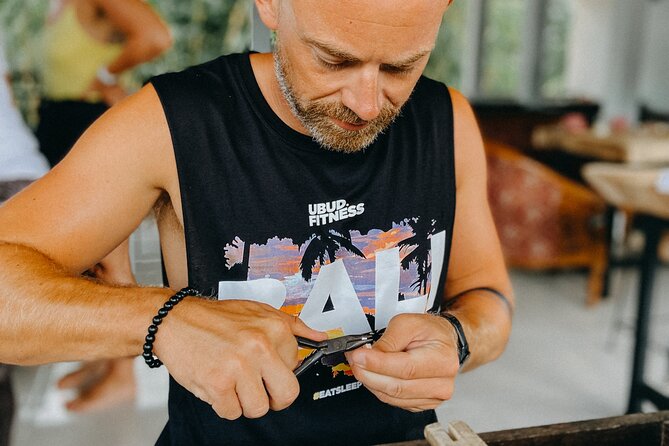
At $45 per person, this is not simply a lesson fee. The price covers the instruction, one item, up to 4 grams of silver, drinks, and the chance to work with local smiths in their home village.
The value depends on what you want from a souvenir. If you only want inexpensive silver jewelry, a market stall may cost less. If you want a piece connected to your own time in Bali, the class offers something a shop cannot provide.
The included silver amount is also where you should judge the price carefully. A small ring or light pair of earrings may fit comfortably within the allowance. A larger bracelet or design with added detail may push you into extra charges.
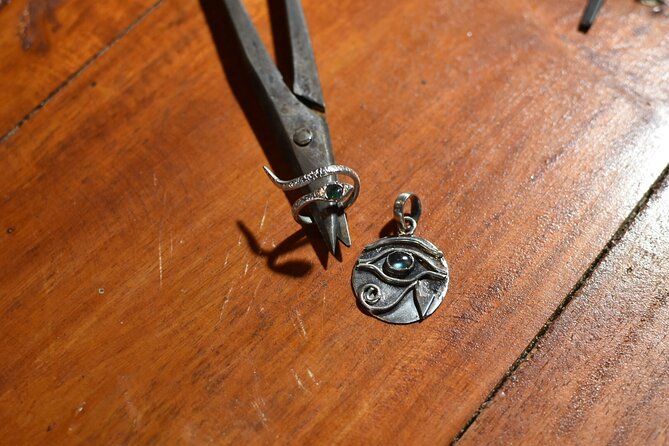
Gemstones cost an additional IDR 100,000 to IDR 500,000. You should bring cash if you think you will want stones or more silver. The class does not allow you to bring silver or gemstones from outside, so all materials used in the activity must be arranged through the workshop.
I like that the costs are stated in advance. The important thing is to ask before the work begins how much silver your chosen design is likely to use. That avoids an unpleasant surprise when the piece is weighed or finished.
Meeting in Sapat, north of Ubud
The meeting point is Ubud MK2 Silver Class, at Jl. Raya Tegallalang No. Br, Sapat, Tegallalang, Gianyar, Bali 80561. The class both starts and ends there.
The location is north of Ubud, so allow time to reach the village. The information provides a meeting point rather than a pickup arrangement, so you should plan your own way there and check the address carefully before setting out.
A mobile ticket is provided, which is handy when you are moving around Bali and do not want to print paperwork. Confirmation is sent when you book. The class accepts a maximum of eight people, giving it a more personal feel than a large craft demonstration.
Because the activity ends where it starts, you can leave with your finished piece and continue your day from the same area. You do not need to arrange a second meeting location.
Who will enjoy this class most
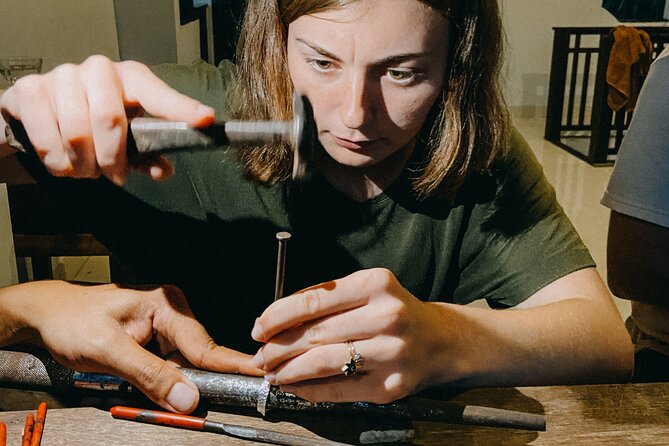
I would recommend this activity to anyone who likes making things with their hands and wants more than a ready-made souvenir. It also suits couples, families, and friends who want a shared activity where each person still creates an individual item.
It is a good fit if you already have a design idea. You can bring that idea to the teachers, and they can help adapt it to the available time and silver allowance. It also works for beginners because the class teaches basic techniques and provides experienced instruction.
You may want to choose another activity if you dislike close supervision or want complete independence. The teachers are there to help with every stage, and at least one person found the assistance more direct than preferred. A simple request to try each step yourself first may improve the experience.
The class may also be less suitable if your main aim is to produce several pieces. One person can make one item, and the included silver cannot be combined with another participant’s portion.
A personal souvenir with a local connection
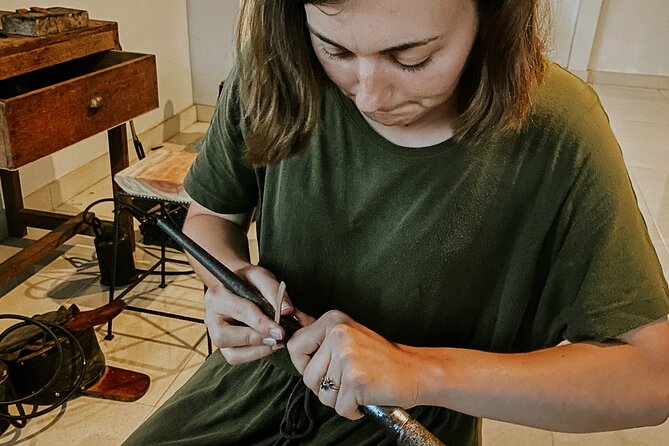
The finished jewelry is the main reward, but the story behind it gives the piece extra meaning. You are making it in a village where silver work supports many families, with local teachers guiding you through the process.
The provider is Taro Village Experience, and part of the income goes back into the village. That makes the activity a practical way to spend money locally while learning a craft that has a real place in the community.
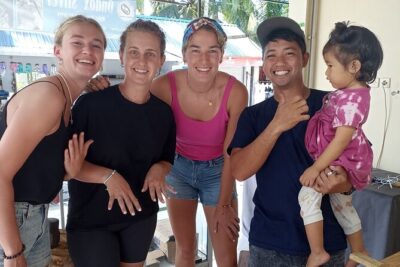
The setting also gives you a small window into village life north of Ubud. The class description emphasizes that the teachers are local and that the organizer grew up in a silver smithing family. You are not only receiving a lesson from someone hired to demonstrate a craft. You are meeting people whose work is tied to the place.
The best souvenir here is likely to be a modest piece with a personal shape. It might be a ring you wear after returning home, earrings made during a holiday with a friend, or a bracelet that reminds you of the time you spent working with silver in Bali.
Booking, changes, and practical limits
You can cancel free of charge up to 24 hours before the scheduled start time and receive a full refund. Inside that 24-hour window, the payment is not refunded, and changes are not accepted.
Most people can take part, according to the activity information. The class is limited to eight people, and confirmation arrives at booking. Since the session includes heat, cutting, cleaning, and finishing, pay attention to the teacher’s safety instructions and speak up if you need a task explained again.
Bring some cash if you may buy gemstones, add silver, or stay beyond the two-hour period. The listed extra charges are IDR 100,000 per gram for silver above 4 grams, IDR 100,000 to IDR 500,000 for gemstones, and IDR 100,000 per additional hour.
The class does not permit outside silver or gemstones. Plan to use the materials supplied or sold at the workshop.
Should you book the Delodsema silver class?
Book it if you want a small, personal keepsake and enjoy taking part in the making. The strongest reasons are the local village setting, the chance to complete one item yourself, the small group limit, and the guidance from teachers such as Petro and Angus.
Go in with a simple design and a clear budget. The $45 price is reasonable for instruction, drinks, one item, and up to 4 grams of silver, but a heavy piece or gemstone design can cost more. If you prefer to work independently, ask the teacher to show you each step before taking over.
For a two-hour activity north of Ubud, this is a practical choice for a meaningful souvenir rather than a standard shopping stop. You leave with something you helped make, and your spending supports a small village craft economy.
FAQ
Where does the silver jewelry class take place?
The class takes place at Ubud MK2 Silver Class, Jl. Raya Tegallalang No. Br, Sapat, Tegallalang, Gianyar, Bali 80561, Indonesia.
How long does the class last?
The standard activity lasts about two hours. Additional time costs IDR 100,000 per hour.
How much does the experience cost?
The listed price is $45 per person.
How much silver is included?
The booking includes up to 4 grams of silver for each person.
Can two people combine their silver allowance?
No. Each person receives silver for one item, and the silver allowance cannot be shared with another participant.
What kind of jewelry can I make?
You can make a ring, bracelet, lion design, or earrings.
Can I add gemstones?
Yes, but gemstones cost an additional IDR 100,000 to IDR 500,000. Bring cash if you want to buy them.
Can I bring my own silver or gemstones?
No. Outside silver and gemstones are not allowed for use in the class.
How many people can join the class?
The maximum group size is eight people.
Can I cancel for a full refund?
Yes. You can cancel at least 24 hours before the start time for a full refund. Cancellations within 24 hours are not refunded.
More craft workshops in Ubud
- Ubud Cooking Class Bali with Balinese Chef
★ 5.0 · 1,609 reviews - PRIVATE Authentic Balinese Cooking Class in Ubud at Putu’s Home
★ 5.0 · 644 reviews - Balinese Farm Cooking Class by Pemulan Bali
★ 5.0 · 410 reviews - Balinese Authentic Cooking Class in Ubud
★ 5.0 · 239 reviews
Newly added Ubud trips
- authentic Balinese organic cooking class in Ubud★ 5.0 · 4 reviews
- Farm-to-Table Balinese Cooking Experience★ 4.0 · 3 reviews
- Sunrise Jeep Tour Mount Batur Kintamani Bali★ 5.0 · 24 reviews
- coconut wine and coffee safary tour★ 5.0 · 16 reviews
- Nungnung Waterfall,Jatiluwih Heritage UNESCO and Bedugul Tour★ 5.0 · 5 reviews
- Bali Amazing Cycling Tour★ 5.0 · 4 reviews
- Authentic Balinese Cooking Class with Jewelry Making Class★ 5.0 · 3 reviews
- Bali Rural Village Bike★ 5.0 · 10 reviews
Ubud Silver Jewellery Classes, compared.
Ubud Monkey Forest Silver Class – Craft Your Own Silver Jewelry
Read our review →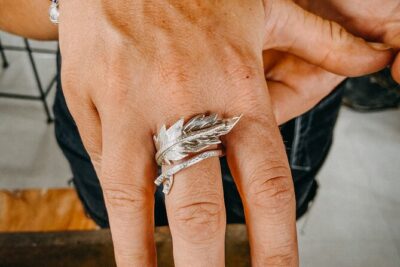
Private Traditional Bali Silver Jewelry Making Class
Read our review →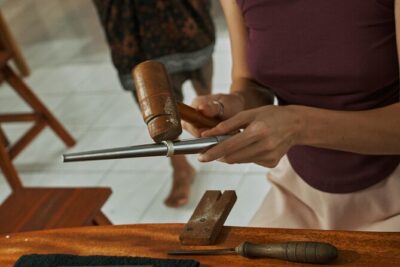
Ubud Town Center Silver Class – Create Your Own Silver Jewelry
Read our review →
Exclusive Ubud Jewelry Making: Craft with a Pro Silversmith!
Read our review →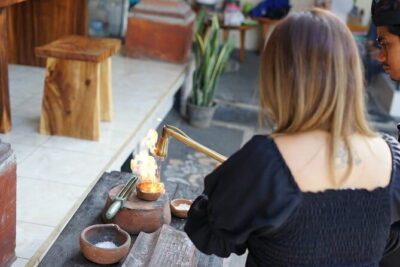
Celuk Bali Silver Class: Hands-On Silver Making Class
Read our review →Browse the lists this tour appears in