
Reviewed · UBUD BALINESE COOKING CLASSES
From Ubud: Authentic Bali Farm Cooking School & Organic Farm
The best part of this Ubud cooking class is that it begins with the ingredients, not a classroom speech. In the morning, you visit a traditional market, then head to a family organic farm near Taro Village to pick vegetables before preparing a full Balinese meal. Farm to table here means you handle the food from garden to plate.
I like the market and garden combination, and I like that you cook six or more dishes rather than one token recipe. The instructors keep the mood relaxed and can adapt dishes for dietary needs. The main drawback is the length: at about five and a half hours, there is a fair amount of chopping, and one afternoon experience may not include the market visit.
Key points at a glance
- Morning market visit: See local produce, spices, fruit, and unfamiliar ingredients before cooking with them.
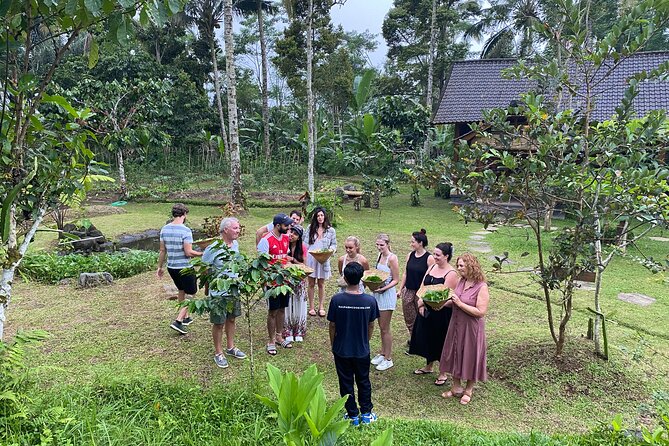
- 8,000-square-meter organic farm: Pick fresh vegetables and learn how sustainable farming supports the meal.
- Six or more Balinese dishes: Prepare appetizers, main dishes, and dessert, then eat everything you make.
- Small-group instruction: The class accepts a maximum of 20 people, with clear English guidance and plenty of hands-on work.
- Useful take-home recipes: Printed and PDF recipe books include substitutions, cooking tips, and links to technique videos.
- Simple Ubud logistics: Meet at Ubud Central Parking, with shuttle transfer available from the meeting point and transport back at the end.
From Ubud streets to a farm near Taro Village
This experience takes you north of central Ubud to Taro Village, where the cooking school operates on an 8,000-square-meter organic farm. The setting is a major part of the appeal. Instead of spending the whole morning in a polished demonstration kitchen, you move through gardens, paths, and shaded outdoor areas before sitting down to eat.
The meeting point is Ubud Central Parking on Jalan Suweta. An air-conditioned vehicle is included, and the activity ends back at the meeting point. Hotel pickup has been provided for some bookings, but the stated meeting point is the detail to rely on when planning your morning.
The drive matters because it shifts the mood from Ubud’s busy center to a quieter rural area. You see more of Bali’s countryside along the way, though this is not a sightseeing tour with a long list of photo stops. The farm is the destination, and the cooking is the main event.
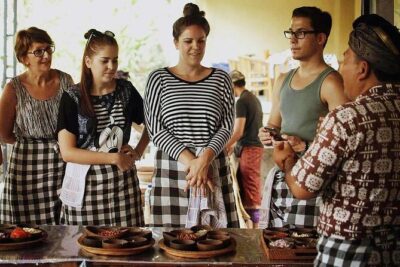
The group can include up to 20 people. That is not a private lesson, but it is still small enough for a shared class rather than a large auditorium-style demonstration. If you want one-on-one coaching at every cutting board, this may feel busy. If you like meeting people from different countries while cooking, the group format adds to the fun.
More Balinese cooking classes in Ubud:
- Ubud Cooking Class Bali with Balinese Chef
★ 5.0 · 1,609 reviews - PRIVATE Authentic Balinese Cooking Class in Ubud at Putu’s Home
★ 5.0 · 644 reviews - Balinese Ubud cooking school (9 Dish Cooking and Market Tour)
★ 5.0 · 540 reviews
The morning market adds a useful first lesson
Choose the morning session if the market is important to you. The market visit gives you a look at the raw materials of Balinese cooking before you are asked to prepare them. You may see unfamiliar fruit, vegetables, spices, and local foods, with the guide explaining how they are used.
This is more useful than simply hearing a list of Indonesian ingredients. You can connect the shape, smell, and texture of a product with the finished dish later in the day. It also helps you understand why Balinese food depends so much on fresh herbs, chiles, aromatics, and spice mixtures.
A market visit is not included in every version of the experience. The morning class includes it, while the afternoon class may go directly to the farm. Make sure the session you book matches your priorities. If you want the full market-to-farm sequence, select the morning option and confirm the details before setting out.
The market can also make the day feel longer. That is not a problem if you enjoy food culture, but it may be unnecessary if your main goal is a short cooking lesson. The class already lasts about five and a half hours, so plan it as a half-day activity rather than a quick morning stop.
Picking vegetables makes the meal personal
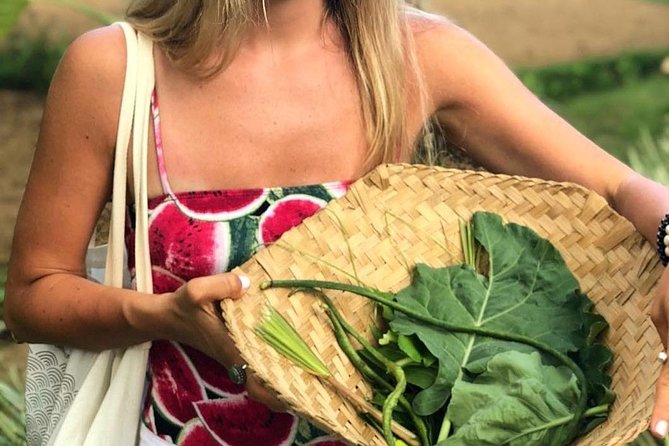
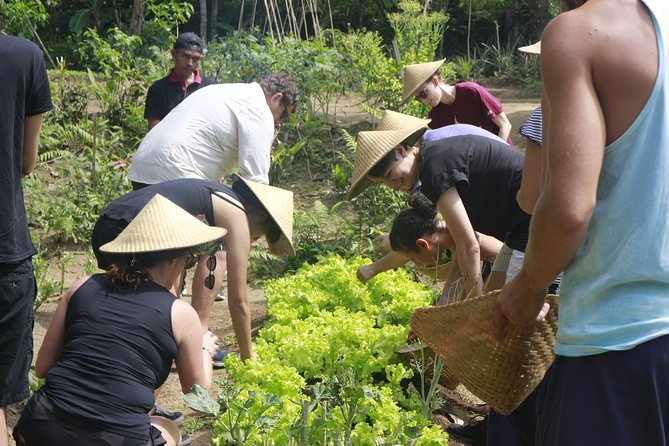
At the farm, you walk through the organic garden and select produce for the class. This is one of the experience’s strongest features because it gives you a direct connection to the meal. You are not simply handed a tray of premeasured ingredients. You see where some of them grow and help gather what you will use.
The farm also gives the instructors a natural way to explain sustainable growing practices. The information is practical rather than academic: you learn how local produce fits into Balinese cooking and why freshness matters. The garden is carefully maintained, with comfortable shaded areas for the cooking and meal.
The farm setting will appeal to you if you want more than a recipe demonstration. It adds a rural side of Bali that is easy to miss when your schedule is filled with temples, cafés, and Ubud shops. You get a taste of village life without needing to book a separate farm tour.
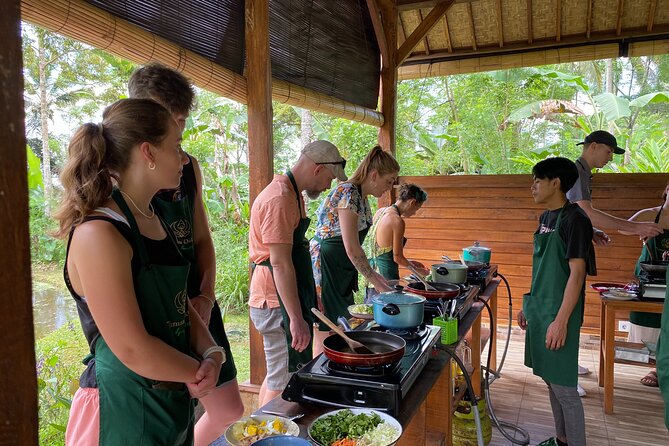
Do not expect the entire class to be quiet garden time. Once the cooking begins, the focus turns to preparation, timing, and shared work. The pleasant setting is a bonus, but you will spend much of the session chopping, mixing, cooking, and cleaning your station.
Six dishes, plenty of chopping, and a proper meal
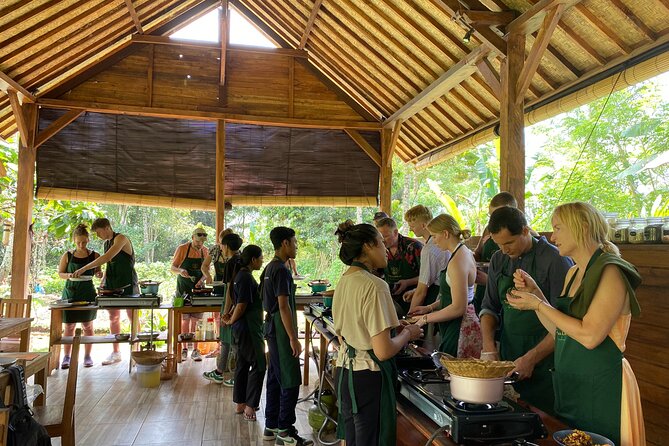
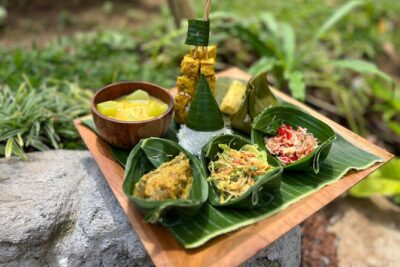
The class prepares at least six Indonesian dishes, including dessert. The menu can include appetizers and several main dishes, with the exact recipes depending on the session and ingredients available. You cook the food yourself and then eat the complete meal, along with coffee or tea and bottled water.
That makes the $38 price easier to assess. You are paying for transport, instruction, ingredients, equipment, an apron, a farm visit, and lunch. You are also getting a market visit in the morning version and recipe material to use later. For a five-and-a-half-hour activity that combines food, culture, and transport, the price is reasonable, especially if you would otherwise pay separately for a meal and a short cooking lesson.
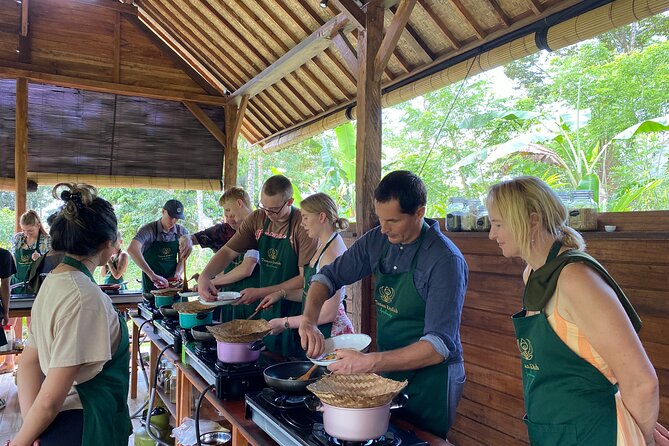
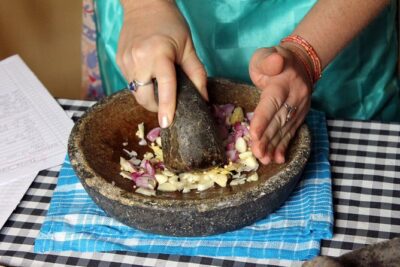
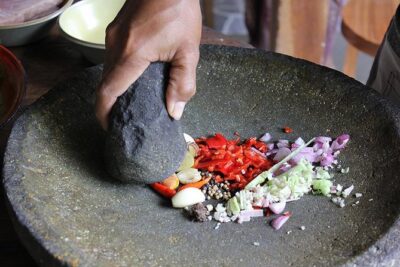
The cooking is hands-on. Instructors guide you through the steps, demonstrate techniques, and help you adjust the dishes. English instruction is provided, and the recipes are designed to be manageable at home rather than dependent on professional kitchen equipment.
One fair criticism is that the preparation can feel repetitive. You may spend a lot of time slicing onions and chiles, especially when a group is preparing several dishes at once. That work gives you practice, but some people would prefer the staff to prepare part of the chopping so the class could focus more on unfamiliar ingredients and Balinese techniques.
I would choose this activity if you enjoy cooking with your hands. If you prefer to sit back, watch a chef, and eat quickly, the format may test your patience. Come hungry. The full meal is the reward for all that preparation, and you are expected to eat what you cook.
More organic farm visits around Ubud:
- Balinese Farm Cooking Class by Pemulan Bali
★ 5.0 · 410 reviews - Balinese Cooking Class at Organic Farm
★ 5.0 · 51 reviews - Small-Group Farm Tour & Balinese Cooking Class in Ubud with Kadek
★ 5.0 · 16 reviews - Farm-to-Table Balinese Cooking Experience
★ 4.0 · 3 reviews
Friendly instruction and room for dietary needs
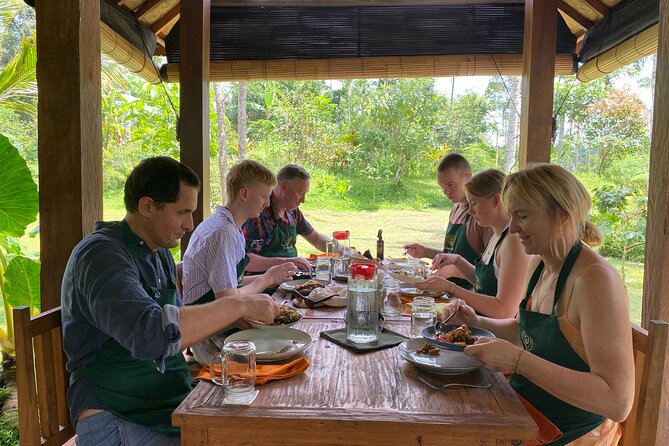
The instructors are a big part of the day. They explain the steps clearly, keep the class moving, and use humor to make the work feel social rather than formal. The teaching style suits beginners, and you do not need advanced cooking skills to take part.
The class can accommodate different diets, and staff have handled a nut allergy during the cooking experience. You should still provide your dietary information when booking and repeat it to the instructors at the start. The available details support dietary accommodation, but they do not promise that every possible allergy or restriction can be handled.
You will also work alongside other people, so the experience depends partly on the group. A cooperative group can turn the preparation into one of the day’s best parts. A slower or larger group may make the cooking feel less efficient.
The maximum group size is 20. That is manageable for an organized class, but it is not the same as a private cooking lesson. Expect to share explanations and equipment, while still getting a chance to participate in the dishes.
The farm meal is the payoff
After cooking, you sit in a shady, comfortable setting and eat the dishes prepared during the class. This is not a small tasting menu. The meal is designed as a full lunch, and the variety of dishes lets you compare different textures, spices, and levels of heat.
I like this approach because the food has a story attached to it. You have seen some ingredients at the market, picked produce in the garden, and then worked through the recipes yourself. Even a familiar dish tastes different when you understand the steps behind it.
Coffee or tea and bottled water are included. Alcohol and soft drinks are available for purchase, but they are not part of the package. If you want something beyond the included drinks, bring money for that extra cost.
The seating is comfortable and shaded, but this remains a working farm rather than a formal restaurant. Expect a relaxed setting, practical surroundings, and a meal built around what the class has prepared. That is exactly right for the experience, though anyone expecting polished restaurant service should adjust expectations.
Recipes you can actually use at home
You receive a printed and PDF recipe book after the class. It includes ingredient substitutes, cooking tips, and links to technique videos. This is an important detail because Indonesian ingredients can be difficult to find outside Bali.
The substitutions make the book more useful for home cooks. You may not have access to every local herb, spice, or chile, but the recipes are meant to help you recreate the flavors with available alternatives. The video links can also help you remember methods that are easy to forget after a busy cooking day.
This take-home material adds lasting value to the activity. A scenic farm visit is enjoyable for a few hours, but a good recipe collection lets you carry the experience home. You can use it to cook for family and friends and explain where the dishes came from.
Timing, transport, and practical planning
Set aside five and a half hours. The morning format includes the market, farm visit, garden picking, cooking, and meal, so it is not an activity to squeeze between two tightly scheduled Ubud appointments.
Meet at Ubud Central Parking, Jalan Suweta No. 18. The air-conditioned vehicle is included, and the experience returns to the same meeting point. Some bookings have included hotel pickup, but you should check your confirmation rather than assume pickup from every hotel.
Wear clothes you do not mind cooking in, and choose practical footwear for the farm. The provided apron helps protect your clothing, but it is still wise to dress for garden paths and food preparation. The supplied details do not state specific accessibility arrangements, so contact the operator directly if you need mobility assistance.
The activity requires good weather. If poor weather forces cancellation, you are offered another date or a full refund. Free cancellation is available until 24 hours before the start time. The operator also requires a minimum number of participants, so a cancellation for low numbers may result in a different date, another experience, or a refund.
Who should book this cooking class?
I would recommend it to first-time visitors who want an active introduction to Balinese food. It also suits couples, families, solo visitors, and anyone who enjoys meeting people over a shared meal.
Families should note that the day involves real kitchen work. Children who enjoy helping with food preparation may have a great time, while very young children may find the length and repeated chopping difficult. The class has accommodated a child with a nut allergy, but you should discuss all dietary needs in advance.
Food lovers will get the most from the morning version because the market explains the ingredients before the cooking starts. Garden enthusiasts will appreciate the organic farm and produce picking. If you are short on time or dislike hands-on preparation, choose a shorter food tour instead.
Should you book the Taman Dukuh farm cooking class?
Book it if you want Balinese food explained through the full chain of market, garden, kitchen, and table. The farm setting, friendly instruction, six-plus dishes, and useful recipe book give the $38 price solid value.
Choose the morning session if the traditional market is a priority. Expect a full half-day, plenty of chopping, and a group class rather than private tuition. For me, the strongest reason to go is that you do not just eat Balinese food. You learn how its ingredients move from the soil to the plate.
FAQ
How long does the Balinese farm cooking class last?
The experience lasts approximately five hours and 30 minutes.
Where does the cooking class meet?
The stated meeting point is Ubud Central Parking at Jalan Suweta No. 18, Ubud, Bali. The activity ends back at the same meeting point.
Is a market visit included?
The morning experience includes a traditional market tour. The afternoon experience may not include the market visit, so check the specific session before booking.
How many dishes will I prepare?
You will prepare at least six Indonesian dishes, including dessert. You eat the food prepared during the class as lunch.
Are drinks and cooking equipment included?
Coffee or tea, bottled water, cooking utensils, and an apron are included. Alcoholic drinks and soft drinks are available for purchase but are not included.
Can the class accommodate dietary needs?
The class caters to various diets, and dietary accommodations have been provided during previous sessions. Share your requirements when booking and confirm them with the instructors at the start of the class.
Newly added Ubud trips
- authentic Balinese organic cooking class in Ubud★ 5.0 · 4 reviews
- Farm-to-Table Balinese Cooking Experience★ 4.0 · 3 reviews
- Sunrise Jeep Tour Mount Batur Kintamani Bali★ 5.0 · 24 reviews
- coconut wine and coffee safary tour★ 5.0 · 16 reviews
- Nungnung Waterfall,Jatiluwih Heritage UNESCO and Bedugul Tour★ 5.0 · 5 reviews
- Bali Amazing Cycling Tour★ 5.0 · 4 reviews
- Authentic Balinese Cooking Class with Jewelry Making Class★ 5.0 · 3 reviews
- Bali Rural Village Bike★ 5.0 · 10 reviews
Ubud Balinese Cooking Classes, compared.
PRIVATE Authentic Balinese Cooking Class in Ubud at Putu’s Home
Read our review →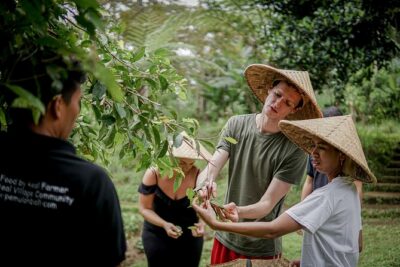
PRIVATE Balinese Cooking Class in Ubud with Dewa with Transfers
Read our review →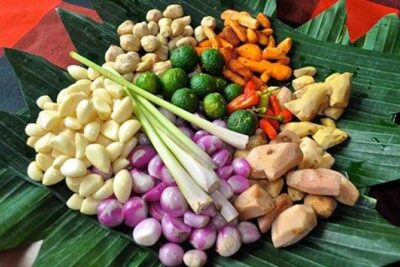
Balinese Cooking class with traditional morning market visit
Read our review →
PRIVATE Ubud Market Tour & Balinese Cooking Class with Putu
Read our review →Browse the lists this tour appears in