
Reviewed · UBUD ART AND CRAFT WORKSHOPS
Threads of Tradition Miniature Keliki Painting Workshops
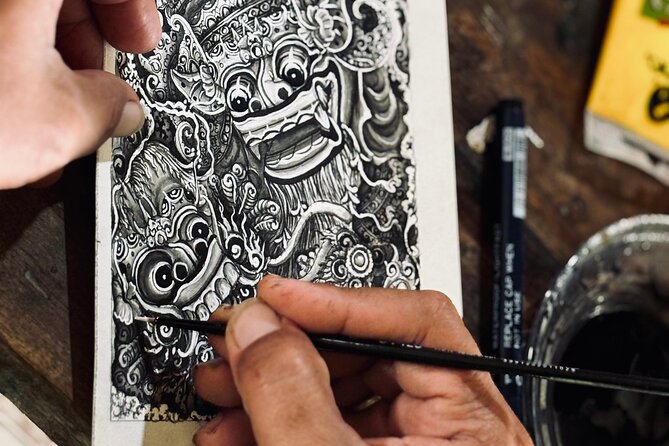
Keliki painting turns tiny brushwork into scenes of Balinese village life, local myths, and daily work. At Five Arts Studio, artists Gusti and Kedek guide you through the layered process in a traditional Balinese home compound, using Chinese ink and acrylic paint rather than a quick souvenir-painting shortcut.
I like the unhurried pace and the chance to learn from two local artists instead of watching a staged demonstration. I also like the personal scale: your finished miniature is a useful souvenir, and afternoon tea gives the three-hour class a relaxed social rhythm. The main drawback is its location in Keliki, north of Ubud, so you need to plan your own transport unless you arrange the optional transport add-on.
Key points at a glance
- Traditional Keliki technique: Build a miniature painting in layers with Chinese ink and acrylic paint.
- Two local instructors: Gusti and Kedek lead the class and explain the process as you work.
- Home-studio setting: The workshop takes place at Five Arts Studio in a traditional Balinese house compound.
- Good for beginners: You need no previous painting experience, and you can work at your own pace.
- Small cultural souvenir: You work toward a finished miniature painting to take home.
- Three-hour afternoon activity: Tea, coffee, mineral water, and snacks are included, while lunch and alcohol cost extra.
What Keliki miniature painting is really about
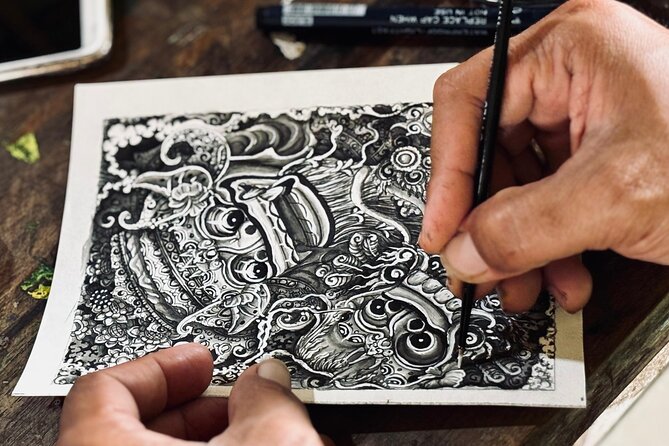
Keliki painting is a detailed Balinese art form made on a small scale. Its subjects often show rural village life, local customs, and handy myths. That matters because you are not simply filling in a postcard image. The class connects the marks on your paper to stories and scenes from Balinese culture.
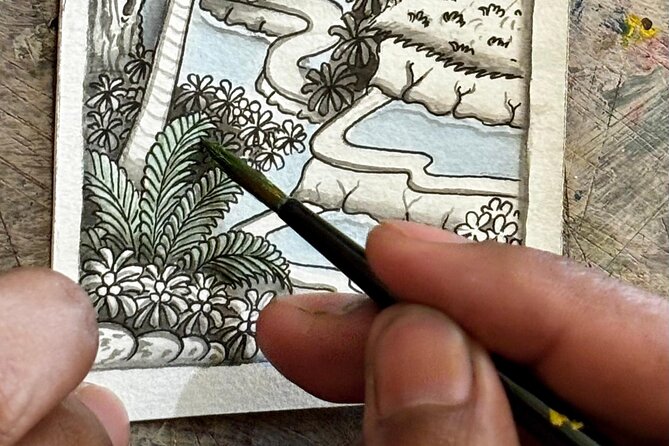
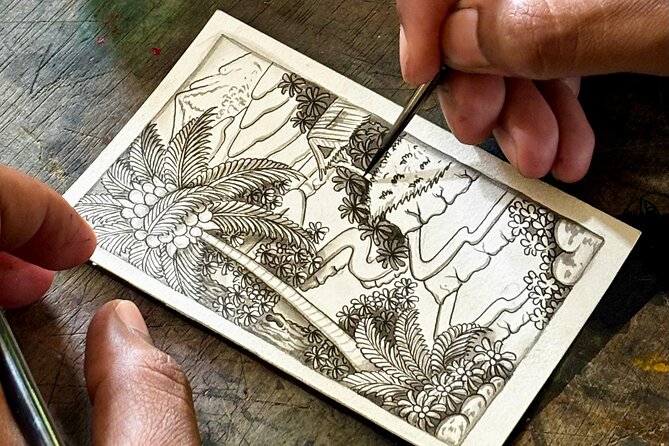
The technique is built in stages. You will work with Chinese ink and acrylic paint, adding drawing and color in layers rather than trying to complete the whole image at once. This gives the class a useful structure for beginners. You can focus on one step at a time instead of worrying about producing a polished painting immediately.
The miniature format is part of the appeal. A large canvas could make a first lesson feel demanding, but a small work gives you a clear goal within three hours. Expect close work and steady concentration, not broad, fast brushstrokes.
I would not book this as a general art class with many unrelated projects. The point is to learn one distinct Balinese style and follow its method. If you enjoy careful work, cultural context, and making something with your hands, the format fits well. If you want a fast tour with lots of sightseeing, choose another afternoon activity.
More craft workshops in Ubud:
- Ubud Monkey Forest Silver Class – Craft Your Own Silver Jewelry
★ 5.0 · 254 reviews - Crafting Heritage Batik Painting Workshops
★ 5.0 · 164 reviews - Exclusive Ubud Jewelry Making: Craft with a Pro Silversmith!
★ 5.0 · 37 reviews
Arriving at Five Arts Studio in Keliki
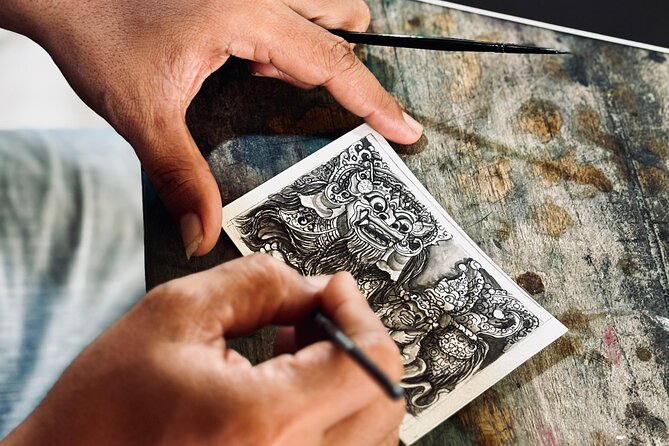
The meeting point is Five Arts Studio on Jl. Raya Keliki, in Keliki, Tegallalang, Gianyar. The activity begins and ends there. Keliki is outside central Ubud, so check the route before booking and allow enough time to reach the studio.
The setting is one of the strongest parts of the class. You work in a traditional Balinese home compound rather than a generic classroom. That gives the painting lesson a sense of place. You are learning the art in a local domestic setting, with the artists close by to explain the process and help with your work.
The maximum group size is 20 people. That is not an intimate one-on-one lesson, but two instructors can help keep the session practical. Gusti and Kedek are the artists named for the class, and their role goes beyond giving a short talk. You work alongside them and learn the techniques as the painting develops.
The studio is near public transportation, but the supplied details do not promise a hotel pickup. If you want door-to-door transport, confirm the optional transport add-on before you pay. One couple found that arrangement convenient and used their driver to stop for lunch afterward, but transport should not be treated as part of the standard $29 booking unless it is specifically added.
The three-hour painting process
The class is a single workshop stop, but it has several useful stages. First, Gusti and Kedek introduce Keliki painting, its subject matter, and the basic process. You learn why the style often focuses on village scenes and myths, then begin working with the traditional materials.
Next comes the drawing and layering. Chinese ink gives you the line work, while acrylic paint adds color in later stages. The exact order and subject can vary, but the core lesson is the same: build the image carefully instead of rushing toward the final effect.
This is where the class earns its price. You are not only receiving materials and a finished object. You are learning a process that you can recognize in Balinese art afterward. The instruction also gives you a better eye for the fine lines and crowded scenes you may see in galleries or shops around Bali.
You should be ready to work slowly. Miniature art demands attention, and the experience is better if you accept that your painting will reflect your own level of skill. The hosts do not rush you, and you can work at your own pace. That is helpful for beginners, couples with different artistic abilities, or anyone who wants a calm break from a packed sightseeing schedule.
The class welcomes all levels and does not require prior painting knowledge. That makes it a sound choice for someone who says I am not artistic. You will still need patience, but you do not need to arrive with drawing skills.
Afternoon tea, conversation, and a local setting
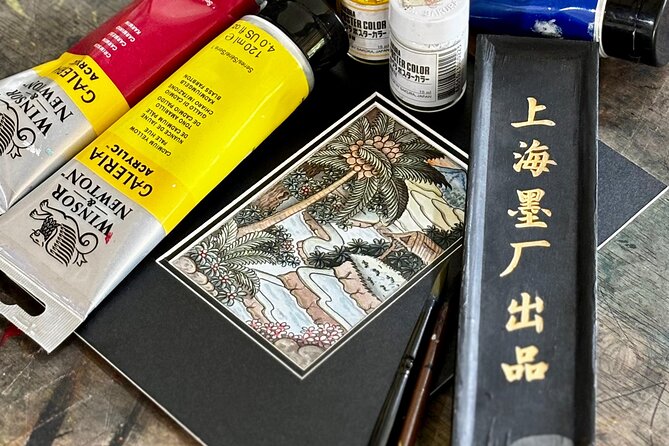
Coffee, tea, mineral water, and snacks are included. Afternoon tea is a small detail, but it changes the feel of the workshop. You have a natural pause to look at your progress, talk with the artists, and get to know the people leading the session.
The social part is useful because the class is not just a technical demonstration. You can ask about the art and its cultural setting while you work. That conversation helps connect the small painting in front of you with Balinese village life and local stories.
Lunch is not included, though local food can be ordered. Alcohol is also not included, but it is available for purchase. I would treat this as a tea-and-snack workshop, not a meal experience. If you are booking around lunchtime, plan your food before or after class, or ask about ordering local dishes.
Vegetarian food is available if requested in advance. The class also lists a smart-casual dress code. You do not need special art clothing in the supplied information, but paint is involved, so practical clothes are a sensible choice.
A completely different kind of day out from Ubud:
- All-Inclusive Ubud Private Tour
★ 5.0 · 14,344 reviews - Best of Ubud Full-Day Tour with Jungle Swing
★ 5.0 · 8,571 reviews - Ubud: Monkey Forest, Jungle Swing, Rice Terrace, and Water Temple
★ 5.0 · 7,160 reviews - Best of Ubud 1-Day Private Tour
★ 5.0 · 4,451 reviews
What you take home from the class
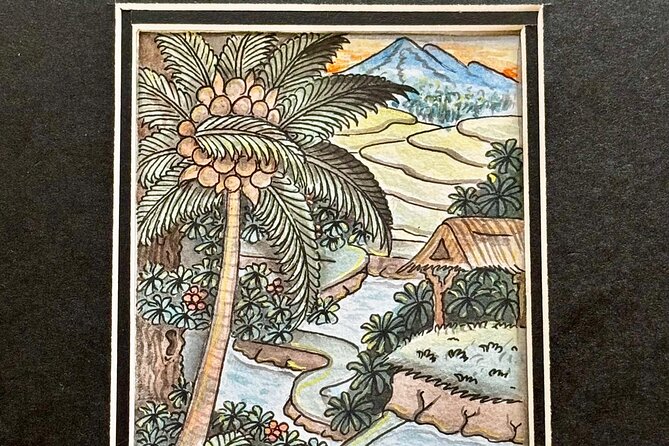
One of the best reasons to choose this workshop is the personal souvenir. You are not buying a mass-produced image from a market. You are spending time learning the style and creating your own miniature.
The final result will depend on your patience and experience. It may not look like a professional Keliki painting, and the class does not promise that it will. That is part of its value. The work records your afternoon in Bali in a way a shop purchase cannot.
The small format should also make the artwork easier to carry than a large painting. The supplied information does not specify the exact size, packaging, or shipping service, so ask the studio if you are concerned about protecting it during a longer trip. The important point is that you work toward an artwork you can take home, rather than only watching someone else paint.
I particularly like this feature for couples or friends. You can take the same lesson and end with two very different paintings. That gives you a shared activity without requiring equal skill or identical results.
Is $29 a fair price?
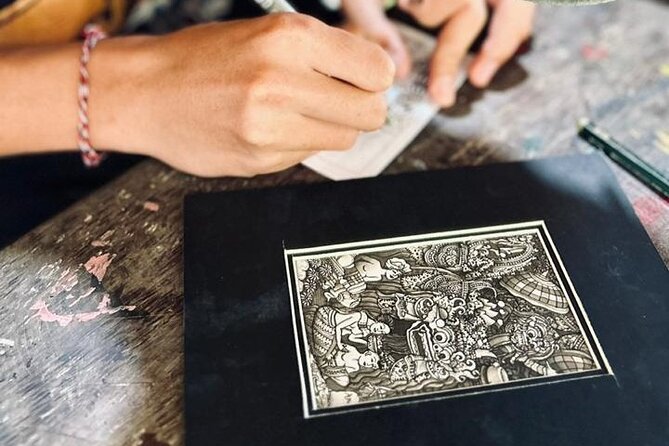
At $29 per person, the workshop offers three hours of instruction, studio access, materials, tea or coffee, snacks, and a finished piece of personal artwork. For an activity led by two local artists in a home studio, that is a fair price.
The value depends on what you want from Ubud. If you measure a tour by the number of sights checked off, this class may seem modest. You spend most of the time in one place. But the cost covers a slower cultural experience in which you learn a local art method rather than simply observing a performance.
The high rating of 4.9 from 46 published ratings, with 100 percent recommending the activity, supports the idea that the class delivers what it promises. The strongest praise centers on the instructors, the relaxed pace, and the quality of the learning experience. Those are exactly the factors that matter most for a workshop.
Keep the transport question in mind. The $29 price does not list transport as an inclusion. Since Keliki is outside central Ubud, the total cost can rise if you need a driver. Even so, transport may be worth arranging if it saves you the trouble of navigating to the studio and gives you flexibility around lunch.
Who will enjoy this Ubud workshop?

This class suits beginners, couples, families with an interest in art, and solo visitors who prefer a hands-on cultural activity. You do not need to know how to draw. The instructors explain the process, and the relaxed timing lets you work without a race to the finish.
It is also a good choice for anyone who has already seen Ubud’s galleries and wants to understand the work more directly. You will leave with a basic sense of how lines, layers, and color combine in Keliki painting.
The class may be less suitable for anyone with very limited time in Ubud. Three hours is a meaningful block of an afternoon, and travel to Keliki adds planning. It is also not ideal if you want a polished professional painting made for you. Your own work is the point.
The maximum group size of 20 means the atmosphere may not be completely private. If you want a custom one-to-one lesson, ask about group arrangements before booking. Still, two artists for the class should help make the instruction more accessible than a large demonstration with only one teacher.
Practical details before you book
Confirmation is provided when you book, and the activity uses a mobile ticket. The session ends back at Five Arts Studio, so you are responsible for arranging your next stop unless transport has been added.
Service animals are allowed, and most people can participate. The workshop is near public transportation. Vegetarian options are available when requested at booking, which is worth noting if you plan to eat at the studio.
The activity has free cancellation if you cancel at least 24 hours before the local start time. Cancellations within 24 hours are not refunded, and late changes are not accepted. That rule is simple, but the distance to Keliki makes it wise to confirm your schedule before the cutoff.
Book about 10 days ahead if possible. That is the typical advance booking period, and it gives you time to sort out transportation and fit the class into your Ubud plans.
My verdict: book it for the process, not just the souvenir
I recommend Threads of Tradition Miniature Keliki Painting Workshops if you want a quiet, practical way to learn about Balinese culture. The patient instruction from Gusti and Kedek, traditional materials, home-studio setting, and take-home artwork give the $29 fee real value.
Book it if you like making things, want more contact with local artists, or need a slower afternoon after busy sightseeing. Think twice if your schedule is tight, you dislike detailed handwork, or you expect a large professional painting at the end. Plan transport carefully, arrive ready to work at a measured pace, and you will get more from the class than a simple souvenir stop.
FAQ
How long does the Keliki painting workshop last?
The workshop lasts approximately three hours.
Where does the activity begin and end?
It begins and ends at Five Arts Studio, Jl. Raya Keliki, Keliki, Tegallalang, Gianyar, Bali 80561, Indonesia.
Do I need previous painting experience?
No. The class welcomes all levels, and no prior painting knowledge is required.
What materials do I use?
You learn with traditional materials and techniques, including Chinese ink and acrylic paint, while building the image in layers.
Are refreshments included?
Yes. Snacks, coffee or tea, and mineral water are included. Lunch is not included, though local food can be ordered. Alcohol is available for purchase.
Can I cancel for a full refund?
Yes, if you cancel at least 24 hours before the experience start time. Cancellations or changes made within 24 hours are not refunded.
Newly added Ubud trips
- authentic Balinese organic cooking class in Ubud★ 5.0 · 4 reviews
- Farm-to-Table Balinese Cooking Experience★ 4.0 · 3 reviews
- Sunrise Jeep Tour Mount Batur Kintamani Bali★ 5.0 · 24 reviews
- coconut wine and coffee safary tour★ 5.0 · 16 reviews
- Nungnung Waterfall,Jatiluwih Heritage UNESCO and Bedugul Tour★ 5.0 · 5 reviews
- Bali Amazing Cycling Tour★ 5.0 · 4 reviews
- Authentic Balinese Cooking Class with Jewelry Making Class★ 5.0 · 3 reviews
- Bali Rural Village Bike★ 5.0 · 10 reviews
Ubud Art and Craft Workshops, compared.
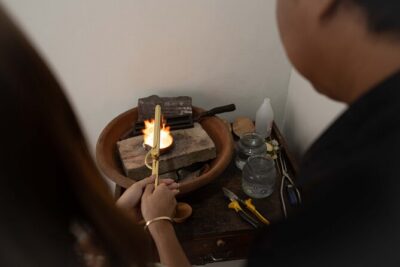
Ubud Monkey Forest Silver Class – Craft Your Own Silver Jewelry
Read our review →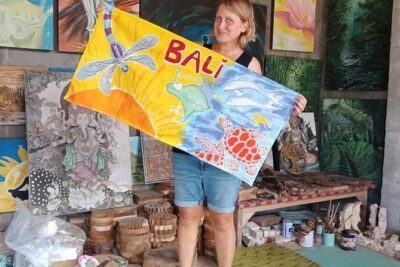

Exclusive Ubud Jewelry Making: Craft with a Pro Silversmith!
Read our review →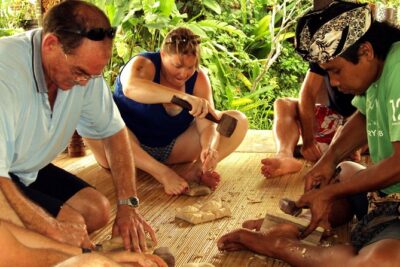
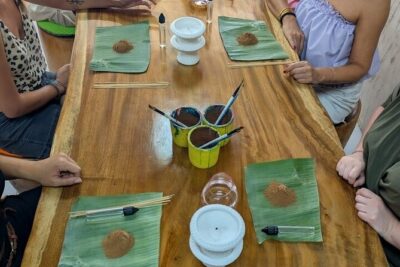
Incense Making Workshop. Create Incense From Scratch!
Read our review →

Browse the lists this tour appears in