
Reviewed · UBUD ART AND CRAFT WORKSHOPS
Ubud Arts & Crafts Tour
Ubud’s art scene makes more sense when you see where the work begins. This four-hour outing takes you from Celuk’s family jewelry workshops to Mas, where carvers shape masks and figures by hand, then into Ubud’s galleries and art market.
I like the clear variety: you see metalwork, woodcarving, and painting in one morning. I also like the hotel pickup from major resort areas, plus the small maximum group of 15. The catch is that the Ubud stop includes a high-end shop, so you may see attractive work at prices better suited to browsing than buying.
Key points to know
- Celuk shows jewelry being made, not just displayed behind glass.
- Mas is the strongest stop for traditional craft, especially hand-carved masks and Hindu figures.
- Ubud brings the art story together with traditional and contemporary paintings.
- Hotel pickup is included from Kuta, Seminyak, Sanur, Jimbaran, and Nusa Dua.
- The $50 price covers about four hours, transport, guiding, and admission to the listed stops, but not food or drinks.
- Plan for sales pressure, since the route visits commercial workshops and a top-end art shop.
Three Balinese art traditions in one morning
This is not a general sightseeing tour of Ubud. It is a focused look at the work Bali sells, displays, and still makes by hand.
You begin with precious metal, move to carved wood, and finish with paintings. That order works well. Each stop gives you a different way to understand Balinese design. Jewelry depends on fine detail and patient handwork. Woodcarving brings out mythological characters and natural forms. Painting shows how Balinese artists have adapted older subjects and methods to modern tastes.
The tour is also useful if you are staying near the coast and want a short break from beach hotels. You get a taste of Ubud and its nearby craft villages without giving up a full day.
The tradeoff is focus. You will not have much free time to wander Ubud on your own. The three main stops receive about an hour each, and the road time between resort areas and the villages takes part of the morning.
More craft workshops in Ubud:
- Ubud Monkey Forest Silver Class – Craft Your Own Silver Jewelry
★ 5.0 · 254 reviews - Crafting Heritage Batik Painting Workshops
★ 5.0 · 164 reviews - Threads of Tradition Miniature Keliki Painting Workshops
★ 5.0 · 46 reviews
Pickup from Bali’s resort belt
The tour starts at about 8:30 am. Pickup and drop-off are offered from major hotels in Kuta, Seminyak, Sanur, Jimbaran, and Nusa Dua.
That coverage matters because these areas are spread along Bali’s southern coast. A hotel pickup saves you from arranging a separate taxi to Celuk, and the return ride keeps the morning simple. The listed meeting point is in Celuk, but the included hotel service means most customers staying in the named resort areas can begin at their hotel.
Transport is by coach. The group can reach a maximum of 15 people, which is small enough for a guide to explain the craft process without turning every stop into a crowded procession. Still, this is a shared outing, not a private car tour. If you want to linger over a necklace, carving, or painting, the schedule may feel firm.
Bring water and eat before leaving. Food and drinks are not included, and the main stops are built around shopping and demonstrations rather than a meal.
Celuk: watching silver and gold take shape
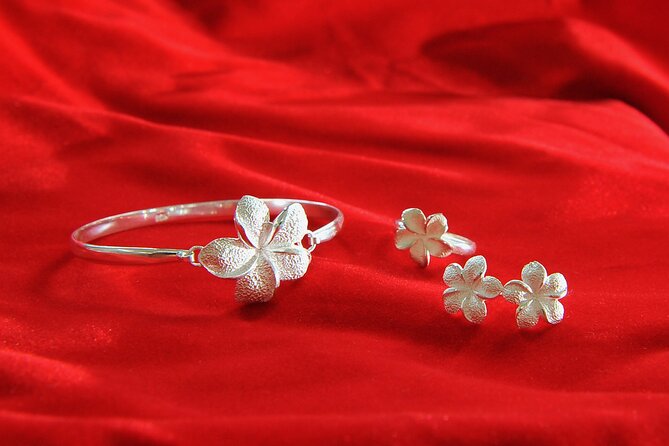
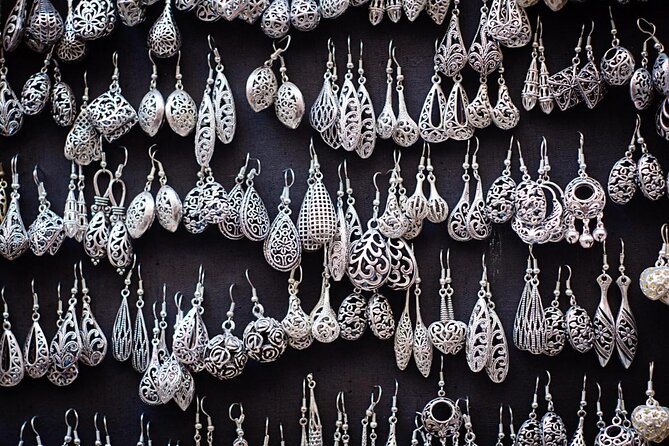
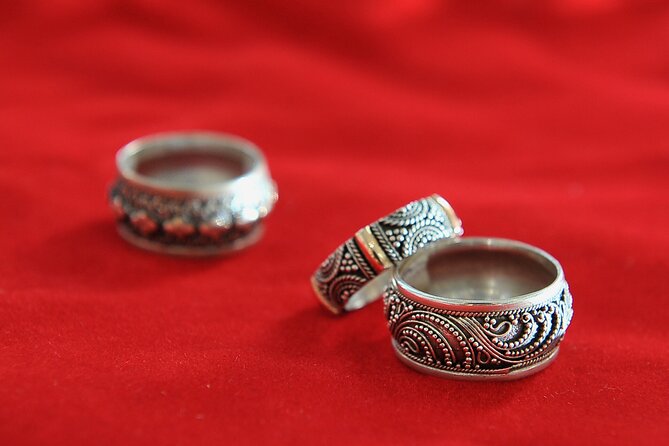
Celuk is the first craft village, and the hour here centers on gold and silver work. You visit cottage-style workshops and galleries where artisans design and make rings, brooches, and other jewelry.
The useful part is seeing the process. A finished piece can look effortless, but intricate jewelry requires many steps, from shaping the metal to adding small details and polishing the final object. Your guide explains the designs and the families of jewelers who live and work in the village.
This stop gives you context that a hotel gift shop cannot. You can compare pieces while knowing that Celuk has a long-established local jewelry trade. The display areas also make it easy to see the difference between simple everyday designs and more elaborate pieces.
Expect a commercial setting. The workshops are working businesses, and the galleries are designed to sell. That is not a flaw, but you should decide before arrival whether you are mainly there to watch or shop. A purchase can be meaningful if you find a piece you genuinely like, but do not feel that seeing the artisans obliges you to buy.
One practical point comes from the tour’s shopping pattern: higher-end workshop prices may not be the lowest you find in the resort districts. If you are shopping for silver, Celuk may offer the most relevant comparison because it is the source village for this craft. For general souvenirs, you may want to compare prices later in Legian or Kuta.
Mas: Bali’s woodcarving center
The second hour takes you to Mas, a village known for wood sculptures. Here, the emphasis shifts from tiny metal details to the shape, grain, and scale of carved wood.
Mas is especially associated with naturalistic forms and characters from Hindu mythology. You may see figures with recognizable religious or ceremonial roles, along with masks made for traditional dance performances and ritual ceremonies.
The best reason to pay attention here is that the carvings are not simply decorative souvenirs. Masks and figures connect to Bali’s performance and religious traditions. The guide explains the village’s woodcarving background and introduces you to carvers who still use hand tools.
Watch how a rough block becomes a face, body, or mythological figure. The hour is short, so you may not see every stage of a piece from raw wood to finished polish. You will, however, get a useful look at the human labor behind work that can appear mass-produced in tourist shops.
Mas can be a better stop for authentic craft context than the Ubud shopping area. It shows the source of the work, while Ubud often shows the finished work in a gallery setting. If you are interested in buying a carving, look closely at the finish, the scale, and how you would transport it home. The tour information does not promise shipping help, so ask the workshop directly if a large piece catches your eye.
A completely different kind of day out from Ubud:
- All-Inclusive Ubud Private Tour
★ 5.0 · 14,344 reviews - Best of Ubud Full-Day Tour with Jungle Swing
★ 5.0 · 8,571 reviews - Ubud: Monkey Forest, Jungle Swing, Rice Terrace, and Water Temple
★ 5.0 · 7,160 reviews - Best of Ubud 1-Day Private Tour
★ 5.0 · 4,451 reviews
Ubud: paintings, galleries, and the art market
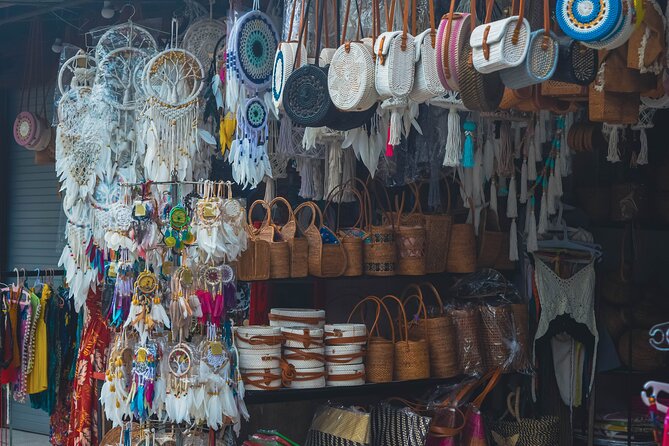
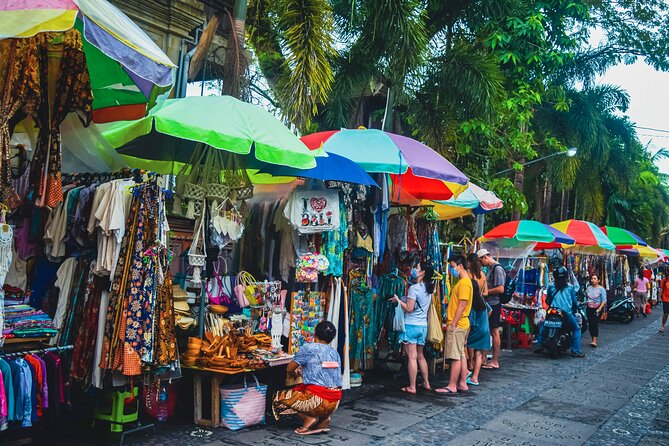
The final stop is Ubud, Bali’s main art and culture center. The route visits one of the town’s higher-quality shops, where you can see traditional Balinese paintings alongside contemporary work.
This is the broadest stop. Local craftspeople work here, but international painters and other artists have also made Ubud a base. That mix helps explain why the town feels different from Celuk and Mas. Ubud is not only a production village. It is also a place where Balinese subjects meet outside influences and modern art markets.
Traditional paintings may draw on religious stories, daily life, or established Balinese styles. Contemporary work can take those ideas in a newer direction. Your guide helps point out what makes Balinese art distinctive, including the relationship between older visual traditions and current gallery work.
The main limitation is time. One hour is enough for an introduction and a look around, but it is not enough to study every gallery in Ubud. The experience also does not promise extended free time at the market. If you want a long, relaxed session comparing prices or finding a specific painting, schedule a separate visit to Ubud.
Keep your expectations clear here. You are visiting a quality shop rather than receiving a low-cost market-shopping tour. The setting may be polished, and the prices may reflect the work, the gallery, and the reputation of the artist. Browse carefully, ask questions, and buy only what fits your taste and budget.
What the $50 price really covers
At $50 per person, the tour is priced as a guided half-day introduction rather than a bargain shopping shuttle.
You are paying for hotel transport, a guide, admission to the three listed craft stops, and the convenience of connecting Celuk, Mas, and Ubud in one route. If you are based in Kuta, Sanur, Nusa Dua, Jimbaran, or Seminyak, that transport can be worth a good part of the fee. Organizing three separate village visits by taxi would take more planning, and you would lose the explanations that link the crafts together.
The value is strongest if you care about how things are made. If your main goal is simply to buy inexpensive souvenirs, the price is less attractive because the tour leads you to established workshops and a higher-end art shop. You may find similar items for less in Legian or Kuta, especially outside the silver category.
Group discounts are listed, though the exact terms are not provided. The group maximum is 15 people. Food and drinks cost extra, so allow for that when planning the morning.
Who will get the most from this tour
I would choose this experience if you want a compact introduction to Balinese arts and crafts and are staying along the southern coast. It suits first-time visitors who want to see more than beaches but do not want a full-day cultural program.
It is also a good fit for shoppers who want to understand the difference between village workshops and city galleries before buying. Parents may appreciate the clear sequence and short stops, although the tour is centered on looking, listening, and shopping rather than hands-on activities.
Art students, design-minded visitors, and anyone curious about Balinese religious imagery should find the route useful. You get three distinct forms of expression in a single morning.
I would hesitate if you want a completely independent day in Ubud. You will not have hours to roam side streets, visit many galleries, or set your own pace. I would also think twice if you dislike commercial stops or feel uncomfortable in shops where buying is part of the atmosphere.
Practical details before you reserve
Confirmation is provided at booking, and most people can participate. Cruise passengers pay additional charges, according to the tour information.
The activity ends back at the meeting point, with hotel drop-off included for the listed resort areas. Since the tour begins early and lasts about four hours, you should still have much of the day available afterward.
The experience has a 4.3 rating from three published ratings. That is a small sample, so I would treat it as a helpful signal rather than a firm prediction. The strongest positives are the guides, the pleasant introduction to Bali, and the appeal of Ubud itself. The main warning is the sales setting and the possibility of finding lower prices elsewhere.
Free cancellation is available if you cancel at least 24 hours before the 8:30 am start time. Changes or cancellations inside that window are not accepted for a refund.
Should you book the Ubud Arts and Crafts Tour?
Book it if you want a short, organized craft tour with transport from Bali’s main resort areas. Celuk and Mas give you more than a shopping stop, and the Ubud visit adds paintings and gallery context. The small group limit and three-hour stop structure make the morning easy to follow.
Skip it if you want a slow, independent day in Ubud or the lowest possible shopping prices. The workshops and high-end shop are useful for learning and comparison, but they are not designed as a cheap market crawl.
My practical advice is to treat the tour first as an introduction to Balinese craft, and only second as a shopping trip. Watch the artisans, ask how pieces are made, note the prices, and buy only when the work feels right. That approach gives you the cultural value without letting the sales stops control your morning.
FAQ
How long does the Ubud Arts and Crafts Tour last?
The tour lasts approximately four hours.
What time does the tour start?
The stated start time is 8:30 am.
Which places does the tour visit?
The route includes Celuk Village, Mas Carving Center, and Ubud Art Market.
What is Celuk Village known for?
Celuk is known for gold and silver workshops, where artisans create jewelry such as rings and brooches.
What can I see in Mas?
Mas is known for wood sculptures, naturalistic designs, Hindu mythological figures, and traditional Balinese masks.
Does the tour include hotel pickup?
Yes. Pickup and drop-off are included from major hotels in Kuta, Seminyak, Sanur, Jimbaran, and Nusa Dua.
Are food and drinks included?
No. Food and drinks are not included.
How large is the group?
The tour has a maximum group size of 15 people.
Can I cancel for a full refund?
Yes, if you cancel at least 24 hours before the experience start time. Cancellations or changes made less than 24 hours before the start are not accepted for a refund.
Newly added Ubud trips
- authentic Balinese organic cooking class in Ubud★ 5.0 · 4 reviews
- Farm-to-Table Balinese Cooking Experience★ 4.0 · 3 reviews
- Sunrise Jeep Tour Mount Batur Kintamani Bali★ 5.0 · 24 reviews
- Nungnung Waterfall,Jatiluwih Heritage UNESCO and Bedugul Tour★ 5.0 · 5 reviews
- Bali Amazing Cycling Tour★ 5.0 · 4 reviews
- coconut wine and coffee safary tour★ 5.0 · 16 reviews
- Authentic Balinese Cooking Class with Jewelry Making Class★ 5.0 · 3 reviews
- Bali Rural Village Bike★ 5.0 · 10 reviews
Ubud Art and Craft Workshops, compared.
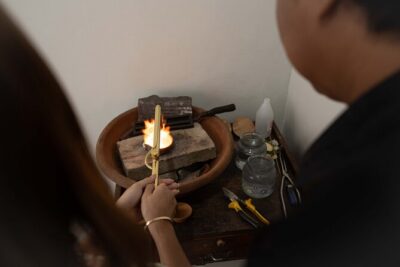
Ubud Monkey Forest Silver Class – Craft Your Own Silver Jewelry
Read our review →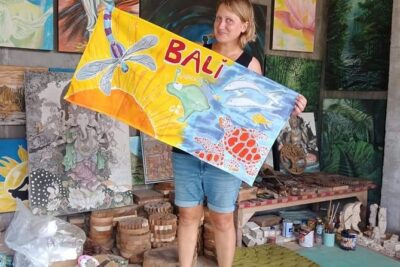
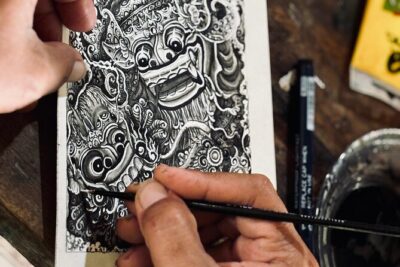
Threads of Tradition Miniature Keliki Painting Workshops
Read our review →
Exclusive Ubud Jewelry Making: Craft with a Pro Silversmith!
Read our review →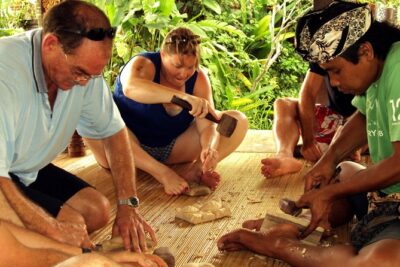
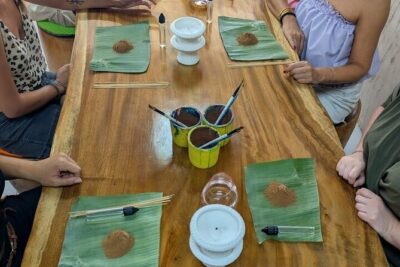
Incense Making Workshop. Create Incense From Scratch!
Read our review →
Browse the lists this tour appears in