
Reviewed · UBUD BALINESE COOKING CLASSES
Jambangan Bali Cooking Class
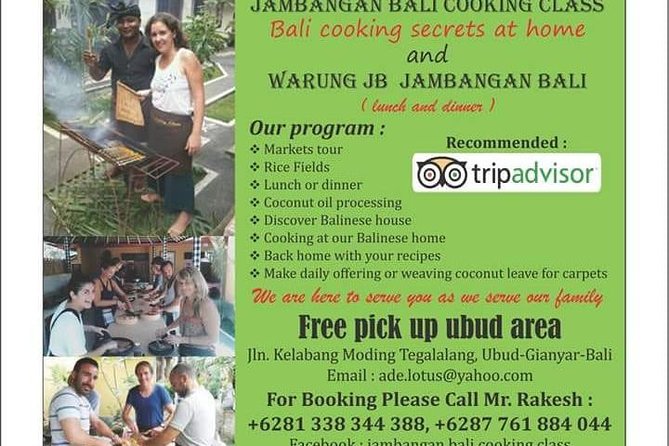
The best part of the Jambangan Bali Cooking Class is that the food lesson begins before you reach the kitchen. You shop for ingredients at a traditional market, see rice farmers at work, then enter a Balinese family home where cooking, music, offerings, and daily life all share the same space. The market visit and the home setting give this class more local flavor than a restaurant meal.
I like that you cook every dish yourself and eat the results for lunch in the garden. I also like the extra cultural touches: coconut oil processing, a household offering, and a short lesson on the bamboo rindik instrument. The main thing to consider is timing. An evening class may not include the market because it closes earlier, so book the morning option if that part matters to you.
Key points at a glance

- Market shopping comes first in the morning: Choose herbs, spices, meat, and vegetables with help from a Balinese chef.
- The class takes place in a family home: You cook in an open kitchen and learn about household life, not just recipes.
- You prepare a full meal: Some sessions include as many as eight dishes, followed by lunch in the garden.
- Culture is part of the lesson: Make a simple Hindu offering, see coconut oil processing, and try rindik, Balinese bamboo music.
- Morning and afternoon classes differ: Morning is best for the market; later sessions may visit a small coffee plantation instead.
- The $34 price is strong value: For about five hours, you receive instruction, lunch, and several cultural activities.
Why this class feels different from a restaurant meal
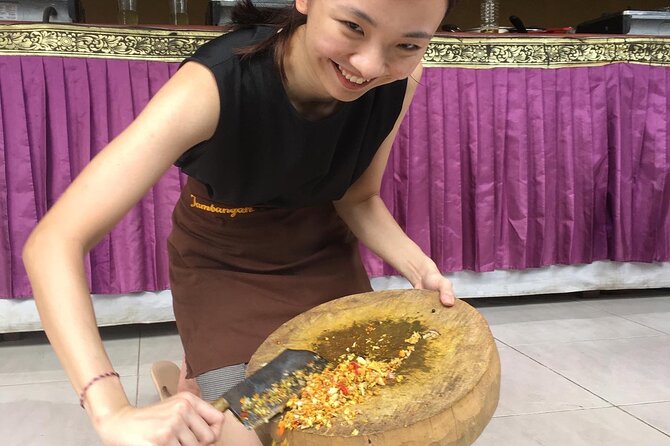
A restaurant lets you taste Balinese food. This class shows you how that food fits into family life.
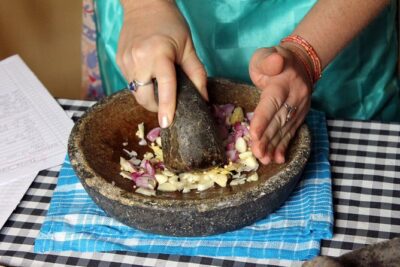
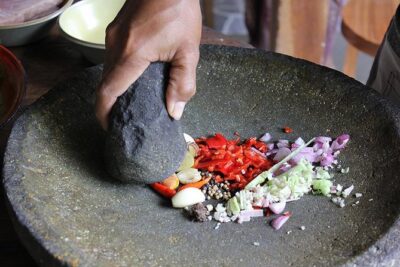
The day begins around a traditional market, where you select fresh herbs, spices, meat, and vegetables. That simple task matters. Instead of seeing a finished plate, you learn what the ingredients look like before they are chopped, ground, or cooked. The chef can explain local items as you choose them, and you get a clearer idea of how Balinese cooks build flavor.
From there, the experience moves toward rice fields and a local family home. The setting is an open kitchen, so you are not separated from the household. You can learn about the layout of the home and see how food preparation connects with ordinary Balinese routines.
The class is conducted in English by Balinese chefs who explain both food and culture. Names connected with different sessions include Wayan, Made, and Putu, though the specific teacher may vary. You may cook with a small family team rather than one permanent instructor.
More Balinese cooking classes in Ubud:
- Ubud Cooking Class Bali with Balinese Chef
★ 5.0 · 1,609 reviews - PRIVATE Authentic Balinese Cooking Class in Ubud at Putu’s Home
★ 5.0 · 644 reviews - Balinese Ubud cooking school (9 Dish Cooking and Market Tour)
★ 5.0 · 540 reviews
The morning market and rice fields
The morning schedule is the best choice if you want the full experience. At the market, you help select the ingredients used in your meal. This can include fresh herbs, spices, selected cuts of meat, and vegetables.
You should expect a practical visit rather than a long market tour. The point is to understand the ingredients and make choices for the cooking session. That makes the stop useful for anyone who wants to recreate the dishes at home.
After the market, the route includes a chance to see rice farmers doing their daily work. The rice fields add useful context to the meal. Rice is not just a side dish in Bali, and seeing the work behind it helps connect the kitchen to the countryside around Ubud.
Timing is important here. The class runs for about five hours, and morning sessions allow the market visit while it is open. If you choose an afternoon or evening class, the market may not be possible. In that case, the program can include a small coffee plantation where you sample different coffees and teas, including coffee luwak. The coffee stop is not presented as a fixed feature of every class, so treat it as a possible alternative rather than a promise.
Entering a Balinese family home
The move from market to home is one of the strongest parts of the day. You are welcomed into a Balinese household and shown something of family life before cooking begins.
The class takes place in an open kitchen. That means the setting feels more personal than a hotel demonstration kitchen, but it also means you should not expect a polished culinary school with rows of professional equipment. The appeal is the home itself and the chance to see how cooking works in a local setting.
The family also shares traditional activities. You can learn about the household’s daily Hindu offering and make a simple offering yourself. This is a small task, but it gives you a direct connection to a practice that is easy to miss when you only visit temples as a sightseer.
You can also see how traditional coconut oil is processed and try playing rindik, music made from bamboo. These additions keep the day from becoming a narrow lesson in chopping and frying. They explain how food, household ritual, craft, and music sit together in Balinese life.
Cooking several dishes, then eating in the garden
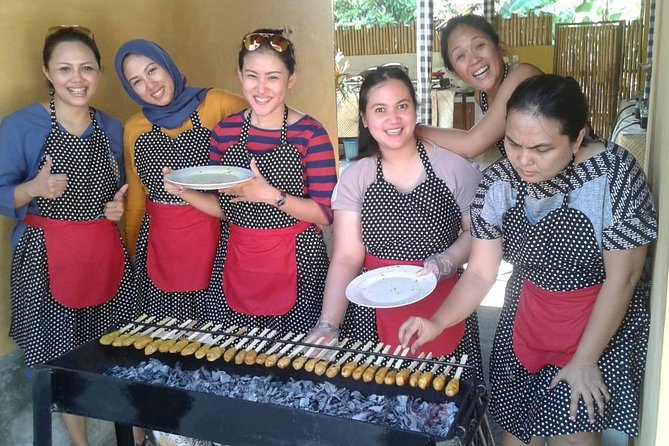
The main class is hands-on. The recipes are prepared by you, with guidance from the Balinese chefs, and you eat the finished food afterward in the garden.
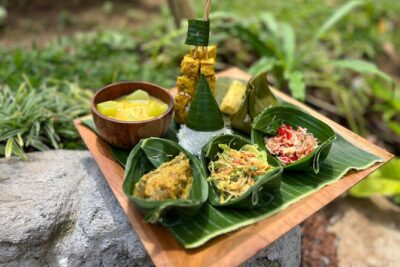
Different sessions can include a large menu. One class prepared eight dishes, which gives you plenty to do and a broad introduction to Balinese cooking. The exact menu is not provided as a fixed list, so you should not book this expecting one specific recipe. What you can count on is a meal made from the ingredients selected during the day.
This is a good format for families and mixed groups. Children can take part in simple preparation, while adults get a better sense of technique and ingredients. The class is also suitable for people who enjoy food but do not consider themselves experienced cooks. The teaching is designed to bring you into the process, not test your skills.
Several sessions have accommodated dietary needs. One group included someone allergic to chicken, and the cooks adjusted the meal so that person could prepare and eat safely. Still, you should provide any allergy or dietary information when booking and confirm it before cooking begins. The supplied price includes lunch, but alcohol is not included.
The best practical benefit is that you receive copies of the recipes after class in at least some sessions. That turns the day into something you can use at home. If you enjoy the food, you are not limited to a memory and a photograph.
A completely different kind of day out from Ubud:
- All-Inclusive Ubud Private Tour
★ 5.0 · 14,344 reviews - Best of Ubud Full-Day Tour with Jungle Swing
★ 5.0 · 8,571 reviews - Ubud: Monkey Forest, Jungle Swing, Rice Terrace, and Water Temple
★ 5.0 · 7,160 reviews - Best of Ubud 1-Day Private Tour
★ 5.0 · 4,451 reviews
The people make the experience
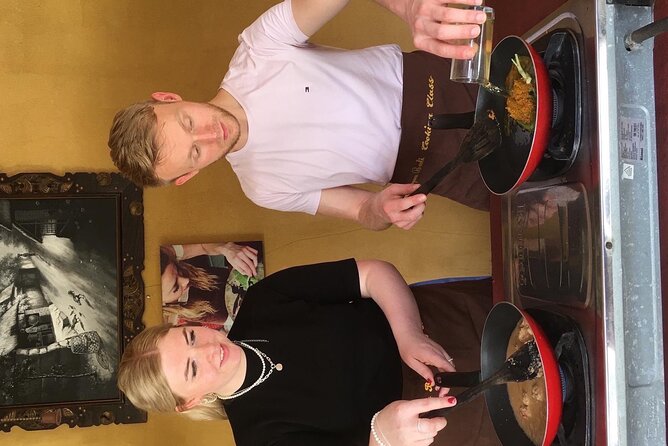
The cooking itself matters, but the warm family welcome is a major reason this class earns such strong marks. Wayan is described as a friendly teacher with a good sense of humor, and Made has led sessions with a family member. Putu has also guided visitors through the market, rice paddies, home tour, and music lesson.
Because the class is run by Balinese cooks and families, the mood can be more relaxed than formal. You are treated as part of the household for the day. That can make the experience feel generous and personal, though it also means the pace may not be as tightly timed as a large commercial tour.
The maximum group size is 15 people. That is small enough for a personal setting, but it is not necessarily a private class. If you want individual attention at every step, ask about the group size for your date. The home setting works best when you are comfortable sharing the kitchen and activities with other people.
What the $34 price really covers
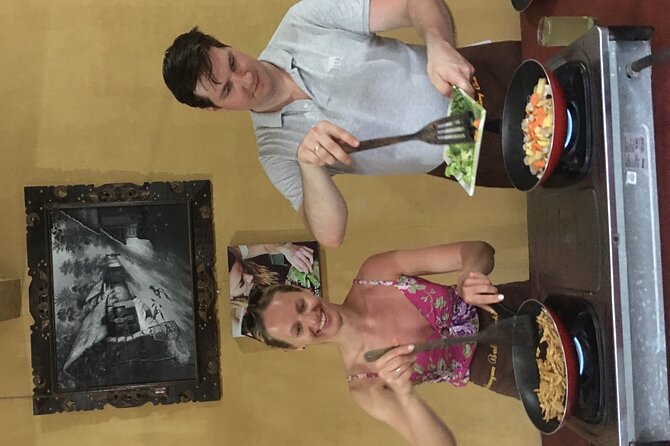
At $34, this is a strong-value half-day activity in Ubud. The price covers about five hours of programming, market or countryside visits, instruction in an open-air family kitchen, lunch, and cultural activities such as the offering and rindik music.
You are also paying for access to things you would not easily arrange alone. A local market visit is simple enough to attempt, but selecting unfamiliar herbs and spices without help can be confusing. Entering a family home, learning about an offering, and seeing coconut oil made in a traditional way would be harder to organize independently.
The value is greatest if you want a cultural activity as well as a meal. If you only want to cook a few dishes quickly, a shorter cooking lesson may suit you better. Here, part of the cost goes toward the setting, the people, and the time spent connecting the food to Balinese life.
The included lunch is another practical advantage. You do not just watch a demonstration and leave hungry. You prepare the dishes and then sit down to eat them in the garden.
Choosing morning, afternoon, or evening
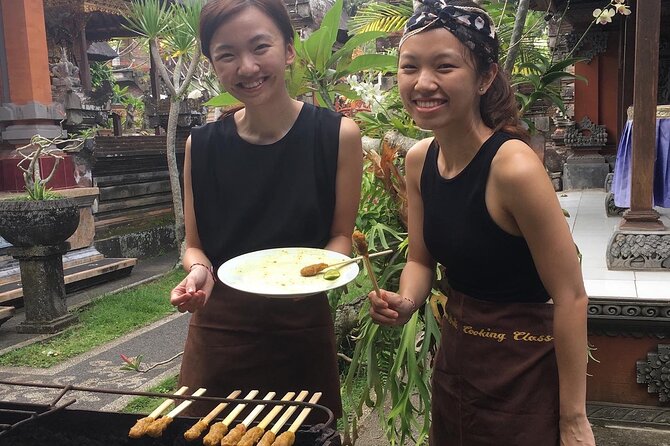
Choose the morning class if the market is high on your list. This schedule offers the clearest sequence: market, rice fields, family home, cooking, and lunch.
An afternoon or evening class can still provide the home visit, cooking, meal, and cultural activities. The tradeoff is that the traditional market may be closed. A coffee and tea tasting at a small plantation may replace it, depending on the timing and the day.
The evening option may appeal if you have sightseeing plans earlier. Just understand that it is not an equal substitute for the morning market. One evening session lost the market visit because it was already closed, and the coffee plantation became the alternative.
The activity begins and ends at Warung JB Jambangan Bali, at Jalan Kelabang Moding No. 713 in Tegallalang, Ubud. The meeting point is near public transportation. The location is outside the most central part of Ubud, so allow enough time to reach it and confirm your transport plan before the start.
Who should book this experience
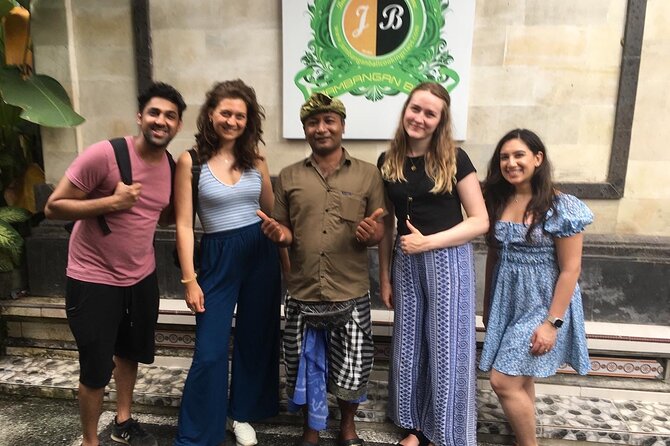
I would recommend this class to food lovers who want more than a restaurant meal. It suits families, couples, and small groups who enjoy learning by doing.
You will get the most from it if you are curious about everyday culture. The offering, home tour, coconut oil work, music, market, and rice fields are not filler. They help explain the world around the recipes.
It is also a good choice for people who want to cook Balinese food at home. The ingredient shopping shows you what to look for, the chefs explain substitutions in some sessions, and recipe copies can help you repeat the dishes later.
You may want to skip it if your schedule is very tight or if you dislike group activities. Five hours is a substantial part of a Ubud day, and the program includes several moving parts. It is not simply a two-hour kitchen lesson.
Practical details before you book
The experience has a mobile ticket, and booking confirmation is provided at the time of reservation. The activity requires good weather. If poor weather causes a cancellation, you are offered another date or a full refund.
You can cancel without a penalty up to 24 hours before the local start time. Cancellations or changes made less than 24 hours in advance are not accepted for a refund.
The class ends back at the meeting point. Lunch is included, while alcohol is not. Since the menu can involve meat and local ingredients, tell the provider about allergies or dietary restrictions before the class.
Should you book the Jambangan Bali Cooking Class?
Book it if you want food, family life, and small cultural details in one well-priced half-day. The morning option gives you the most complete program, especially the market and rice-field visit.
I would choose this over a standard demonstration class because you shop for the ingredients, cook the food yourself, and take part in activities that show daily Balinese life. The only real caution is to match your expectations to the format: this is a family-home experience for up to 15 people, not a sleek professional kitchen.
For $34, the combination of lunch, instruction, market access, and cultural activities is hard to beat in Ubud. Book the morning slot if you can, and tell the provider about any food restrictions before you arrive.
FAQ
How long does the Jambangan Bali Cooking Class last?
The experience lasts approximately five hours.
Where does the experience start and finish?
It starts and ends at Warung JB Jambangan Bali, Jalan Kelabang Moding No. 713, Tegallalang, Ubud, Bali 80571.
Is lunch included?
Yes. Lunch is included, and you eat the food prepared during the class in the garden. Alcohol is not included.
Does the class include a local market visit?
The morning program begins with a traditional market visit where you select herbs, spices, meat, and vegetables. An evening class may not include the market because it can be closed.
What happens instead of the market in an evening class?
Depending on the session, you may visit a small coffee plantation and sample different coffees and teas, including coffee luwak.
Is the cooking class taught in English?
Yes. The classes are conducted in English by Balinese chefs who explain Balinese food and culture.
Can I cancel for a full refund?
Yes. You can cancel at least 24 hours before the local start time for a full refund. If poor weather causes the provider to cancel, you can choose another date or receive a full refund.
More craft workshops in Ubud
- Ubud Silver Class Jewelry making in bali
★ 5.0 · 978 reviews - Balinese Farm Cooking Class by Pemulan Bali
★ 5.0 · 410 reviews - Ubud Monkey Forest Silver Class – Craft Your Own Silver Jewelry
★ 5.0 · 254 reviews - Balinese Authentic Cooking Class in Ubud
★ 5.0 · 239 reviews
Newly added Ubud trips
- authentic Balinese organic cooking class in Ubud★ 5.0 · 4 reviews
- Farm-to-Table Balinese Cooking Experience★ 4.0 · 3 reviews
- Sunrise Jeep Tour Mount Batur Kintamani Bali★ 5.0 · 24 reviews
- coconut wine and coffee safary tour★ 5.0 · 16 reviews
- Nungnung Waterfall,Jatiluwih Heritage UNESCO and Bedugul Tour★ 5.0 · 5 reviews
- Bali Amazing Cycling Tour★ 5.0 · 4 reviews
- Authentic Balinese Cooking Class with Jewelry Making Class★ 5.0 · 3 reviews
- Bali Rural Village Bike★ 5.0 · 10 reviews
Ubud Balinese Cooking Classes, compared.
PRIVATE Authentic Balinese Cooking Class in Ubud at Putu’s Home
Read our review →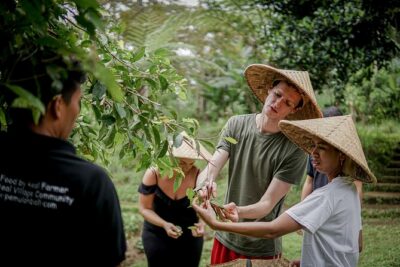
PRIVATE Balinese Cooking Class in Ubud with Dewa with Transfers
Read our review →
Balinese Cooking class with traditional morning market visit
Read our review →
PRIVATE Ubud Market Tour & Balinese Cooking Class with Putu
Read our review →
Authentic Bali Farm Cooking School & Organic Farm
Read our review →Browse the lists this tour appears in