
Reviewed · UBUD BALINESE COOKING CLASSES
authentic Balinese organic cooking class in Ubud
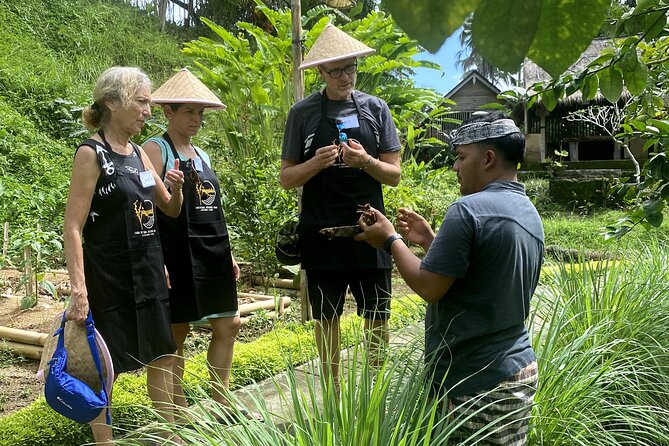
The most interesting part of this Ubud class happens before the cooking begins. You’ll walk through a working family farm, pick ingredients from the garden, and take them straight to the cooking area. Ninek, the cooking teacher, explains what each plant is used for, including medicinal uses mentioned during the class.
I like the direct farm-to-table setup, and I like that the cooking is done mostly with simple manual tools, rather than a polished demonstration kitchen. The four-hour visit also includes pickup and return to your accommodation, which makes the $47 price easier to justify.
The main consideration is that this is an outdoor, weather-dependent activity. The exact pickup area is not stated, and the class may feel less comfortable in rain or strong heat. Ask about meal requirements before booking, since the available details do not explain how dietary restrictions are handled.
Key points at a glance
- Pick ingredients from the family farm: You harvest some of the herbs, spices, and staples used in your own meal.
- Learn from Ninek and her cooking crew: The class covers ingredients, preparation, and some medicinal uses of plants.
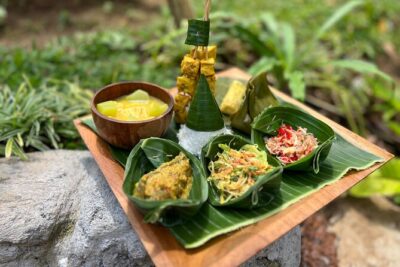
- Prepare about six Balinese dishes: You cook the food yourself, then sit down to eat the finished lunch.
- Cook beside rice terraces: The garden kitchen provides a rural setting instead of a closed classroom.
- Travel in a small group: The maximum is 10 people, with pickup and drop-off included.
- Add possible farm activities: A swing and natural waterfall visit may be offered as optional extras.
A farm visit before the cooking starts
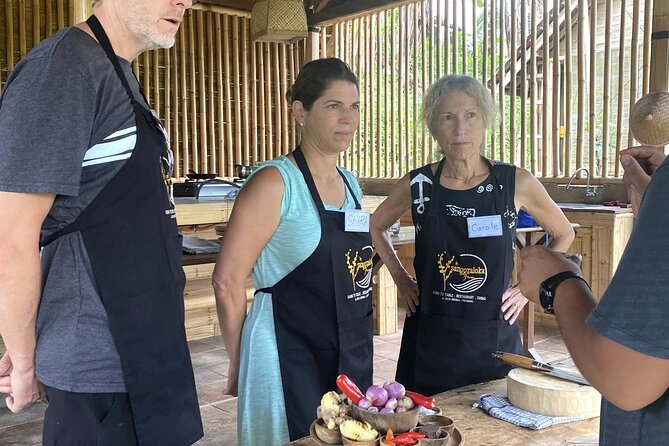
This class gives you a useful look at the source of Balinese cooking. Rather than arriving at a kitchen where ingredients are already measured and lined up, you begin at a farm connected with the class. You’ll receive a welcome drink, hear an introduction from the chef, and then walk into the garden.
The garden contains several plants used for spices and staple ingredients. You’ll pick some of what you need during harvest time, then take it directly to the cooking area. That short trip from soil to chopping board is the heart of the experience.
I find this more worthwhile than a class that simply hands you a printed recipe. You see the raw plants, hear what they do in a dish, and learn why particular ingredients matter. The emphasis is on organic produce and local use, not on cooking Balinese food with ingredients bought from a supermarket.
The farm setting also gives you a better sense of daily food preparation in Bali. You may not leave with a full lesson in agriculture, but you will understand that many Balinese dishes depend on a wide mix of fresh herbs, spices, roots, and other plant ingredients.
More Balinese cooking classes in Ubud:
- Ubud Cooking Class Bali with Balinese Chef
★ 5.0 · 1,609 reviews - PRIVATE Authentic Balinese Cooking Class in Ubud at Putu’s Home
★ 5.0 · 644 reviews - Balinese Ubud cooking school (9 Dish Cooking and Market Tour)
★ 5.0 · 540 reviews
Pickup from Ubud and a small-group setting
Pickup is offered from your accommodation, followed by return at the end of the class. That removes the need to arrange a taxi to a rural meeting point, which can be useful in Ubud, where addresses are not always easy to locate and roads can be confusing outside the center.
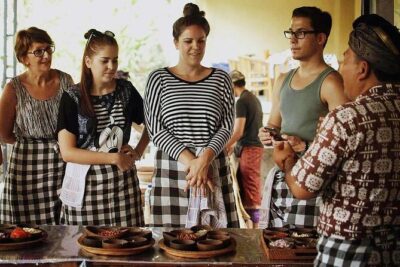
The group limit is 10 people. That is small enough for hands-on instruction without making the class private. Since you’ll be handling ingredients and cooking tools, group size matters. A class of 10 can still feel personal if everyone takes part, but it may be busier than a two-person lesson.
The transport portion is also part of the experience. One of the staff members handles the drive and helps create a friendly welcome at the family farm. The available information does not give a fixed pickup time or list every pickup zone, so confirm the details when you book.
Plan on about four hours from pickup through drop-off. That is long enough for a farm walk, instruction, cooking, and lunch, but not so long that the class takes over your entire day in Ubud.
Meeting Ninek in the garden kitchen
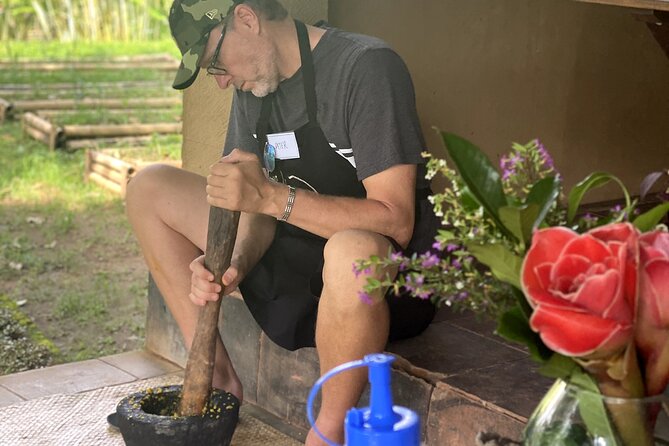
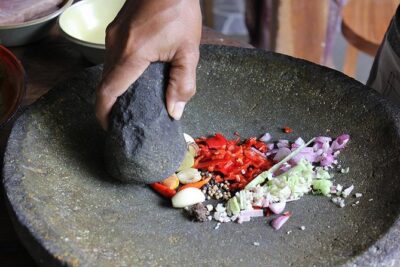
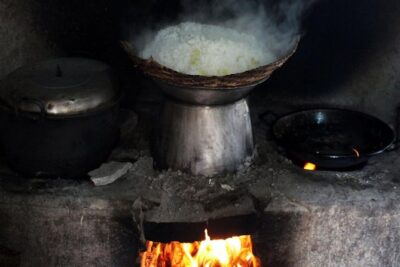
After the garden visit, you’ll move to the cooking area. This is not described as a modern culinary school with rows of equipment. Most of the tools are manual, which gives the class a more traditional feel and keeps the focus on the ingredients.
Ninek leads the cooking instruction with her crew. She introduces the plants and explains how they are selected, prepared, and used. One detailed account describes learning about the ingredients, how to pick them, and other medicinal uses before preparing six different dishes.
That combination is useful because Balinese food can seem complicated when you only see the finished plate. A dish may depend on several aromatics and spices, each added for a particular reason. When you pick and prepare those ingredients yourself, the final meal makes more sense.
You should expect to take part, not simply watch. The class is built around preparing the food you will eat later. That makes it a good choice if you want practical kitchen time, though it may not suit you if you prefer a short demonstration followed by a restaurant meal.
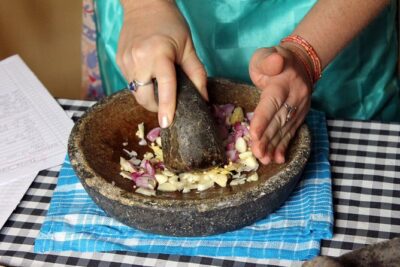
The manual equipment can be a plus or a minor inconvenience. It connects the class to home-style cooking, but it may also make the work slower and more physical. You might chop, grind, mix, or prepare ingredients in ways that feel less efficient than using electric equipment. That is part of the point, but it is worth knowing before you arrive.
Preparing six Balinese dishes from fresh ingredients
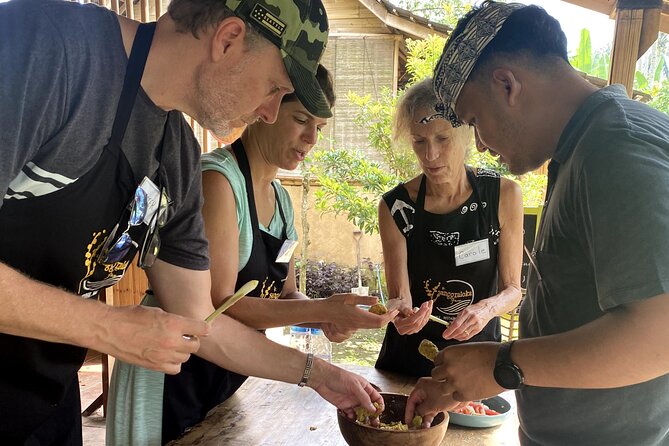
The class includes about six dishes, giving you a broad introduction rather than a lesson focused on one recipe. The supplied details do not name each dish, so you should not book expecting specific menu items. The menu may also depend on what is growing and available at the farm.
What you can expect is a series of steps that build from ingredient recognition to preparation and cooking. You’ll learn what the ingredients are, what function they serve, and how they become part of the finished meal. The teacher’s explanation of medicinal uses adds a local food-and-plant connection that you rarely get in a standard cooking lesson.
I like the fact that you eat what you make. It gives the class a clear payoff and lets you judge the results while the preparation is still fresh in your mind. It also makes the meal feel connected to the morning’s work, rather than added as an unrelated restaurant stop.
The food is described as tasty and amazing by people who took the class, but your own meal will depend on the day’s menu and your cooking group. If you are new to Balinese food, six dishes may feel like a lot to remember. Take notes or photographs of the ingredients and steps if you want to recreate the meal later.
You should also ask in advance about allergies, vegetarian preferences, or other food needs. The available tour information does not state whether substitutions are offered.
A completely different kind of day out from Ubud:
- All-Inclusive Ubud Private Tour
★ 5.0 · 14,344 reviews - Best of Ubud Full-Day Tour with Jungle Swing
★ 5.0 · 8,571 reviews - Ubud: Monkey Forest, Jungle Swing, Rice Terrace, and Water Temple
★ 5.0 · 7,160 reviews - Best of Ubud 1-Day Private Tour
★ 5.0 · 4,451 reviews
Lunch with rice-terrace views
Once the cooking is finished, you sit down for your original cooking lunch. The meal is enjoyed in the farm setting, with a view over rice terraces. This is one of the stronger parts of the visit because the setting adds something beyond the recipes.
A restaurant can serve Balinese food, but it cannot give you the same connection between the garden, the cooking process, and the meal. Here, you have seen some ingredients growing, helped prepare them, and then eaten the result in the same rural setting.
The view also gives the class a relaxed ending. You are not rushing from the kitchen to a separate dining room or back into central Ubud. Instead, the final meal lets you pause and enjoy the setting.
Keep your expectations practical. The experience provides a farm lunch with terrace views, not a formal fine-dining service. The attraction is the setting and your involvement in the cooking. If you want polished presentation or a large menu of restaurant-style courses, this class may not be the right fit.
Optional swing and waterfall stops
One account of the visit includes optional activities such as a swing and a natural waterfall. These are not listed as core stops in the main schedule, so treat them as possible additions rather than guaranteed parts of the four-hour class.
If they are available on your date, ask whether they add time, cost extra, or require a separate arrangement. That matters because a swing or waterfall stop can change the pace of a cooking-focused morning.
The farm and cooking lesson are the dependable reasons to book. The optional activities should be viewed as a bonus, not the main reason for choosing this experience.
Is $47 a fair price?
At $47 per person, this class sits above a basic cooking demonstration but includes several elements beyond the lesson itself. You are paying for pickup and return, a farm visit, a welcome drink, ingredient harvesting, instruction, cooking, and lunch.
The value is strongest if you want an all-in-one half-day activity. Arranging separate transportation, a garden visit, a meal, and a cooking class would take more planning. Here, those pieces are combined into one outing, with a group cap of 10.
The price is less attractive if you only want to learn one or two recipes. You are paying for the full farm setting and the slower process of harvesting and preparing ingredients. Someone focused strictly on technique might prefer a shorter class in a dedicated kitchen.
I would also factor in the personal scale of the business. The experience is run by Amara Bali Family Tour, and the setting centers on a local family farm. Your payment supports a small operation rather than only a large commercial venue, though the tradeoff may be a less standardized schedule.
Who will enjoy this class most?
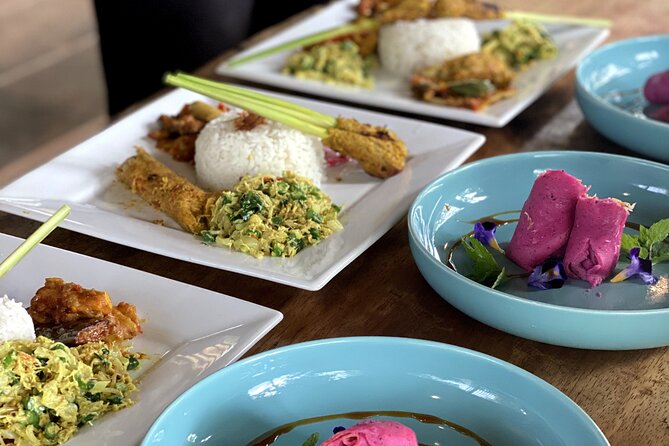
I would recommend this class to you if you like food with a sense of place. It is especially suitable if you want to see where ingredients come from, work with your hands, and eat a meal connected to the morning’s activities.
It also suits:
- Couples looking for a relaxed Ubud activity
- Families with older children who enjoy gardening and cooking
- First-time visitors who want an introduction to Balinese ingredients
- Food-minded people who prefer a local setting to a formal kitchen
- Anyone who values pickup and drop-off
You may want to choose another class if you need a tightly timed schedule, indoor facilities, advanced culinary training, or a guaranteed list of dishes. The outdoor setting and harvest-based approach are central to the experience, so the class is not designed to feel like a professional cooking school.
The maximum of 10 people helps keep the outing manageable. Still, if you want one-on-one instruction, contact the provider before booking and ask how many people are scheduled for your date.
Weather, timing, and what to clarify
The experience requires good weather. If poor weather causes cancellation, you’ll be offered another date or a full refund. That policy is helpful, but it also tells you that the garden and outdoor cooking area are important parts of the visit.
You can cancel for a full refund up to 24 hours before the start time. Changes or cancellations inside that 24-hour window are not accepted for a refund. The cutoff uses local time in Bali, so check the time carefully if you are booking from another country.
Confirmation is sent at the time of booking. Before your class, I would confirm the pickup address, pickup time, menu style, and any food restrictions. The supplied details do not state the exact pickup boundary, so this is a sensible step.
Wear something practical for an outdoor farm visit and cooking. The details do not specify a dress code or equipment list, but you should expect contact with soil, plants, food, and manual tools.
My call: book it for the farm-to-table connection
Book this class if you want more than a recipe lesson. The best feature is the full chain from garden to plate: you see the plants, harvest ingredients, learn their uses from Ninek and her crew, prepare several dishes, and eat lunch above rice terraces.
The strongest reasons to hesitate are the outdoor setting, the unspecified menu, and the lack of detail about dietary substitutions. Confirm those points before paying, especially if food allergies or a strict schedule matter to you.
For most people seeking a friendly, local half-day in Ubud, $47 is a reasonable price for the transport, instruction, farm access, and meal. Choose it for the setting and the hands-on process, not for a formal culinary qualification or a guaranteed menu.
FAQ
How long does the organic cooking class last?
The experience lasts approximately four hours, including pickup, the farm visit, cooking, lunch, and return to your accommodation.
Is pickup included?
Yes. Pickup from your accommodation is offered, and you are dropped off at your accommodation at the end. The exact pickup area and time are not specified, so confirm those details when booking.
How many people can join the class?
The maximum group size is 10 people.
What happens during the farm visit?
You receive a welcome drink, hear an introduction from the chef, visit the garden, and pick some ingredients used for the cooking class. The plants include ingredients used for spices and staple foods.
How many dishes will I prepare?
The available information indicates that the class teaches the preparation of six different Balinese dishes. The specific dishes are not listed.
What happens if the weather is poor?
The experience requires good weather. If it is canceled because of poor weather, you can choose another date or receive a full refund.
More craft workshops in Ubud
- Ubud Silver Class Jewelry making in bali
★ 5.0 · 978 reviews - Ubud Monkey Forest Silver Class – Craft Your Own Silver Jewelry
★ 5.0 · 254 reviews - Canggu Scooter Lessons
★ 5.0 · 195 reviews - Crafting Heritage Batik Painting Workshops
★ 5.0 · 164 reviews
Newly added Ubud trips
- Farm-to-Table Balinese Cooking Experience★ 4.0 · 3 reviews
- Sunrise Jeep Tour Mount Batur Kintamani Bali★ 5.0 · 24 reviews
- coconut wine and coffee safary tour★ 5.0 · 16 reviews
- Nungnung Waterfall,Jatiluwih Heritage UNESCO and Bedugul Tour★ 5.0 · 5 reviews
- Bali Amazing Cycling Tour★ 5.0 · 4 reviews
- Authentic Balinese Cooking Class with Jewelry Making Class★ 5.0 · 3 reviews
- Bali Rural Village Bike★ 5.0 · 10 reviews
- Full-Day Private Cultural Bali Tour + Balinese Driver★ 5.0 · 20 reviews
Ubud Balinese Cooking Classes, compared.
PRIVATE Authentic Balinese Cooking Class in Ubud at Putu’s Home
Read our review →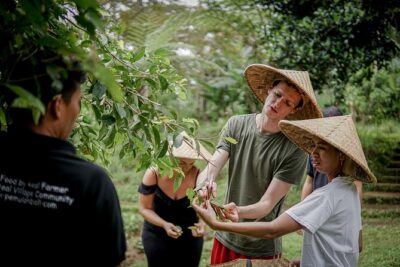
PRIVATE Balinese Cooking Class in Ubud with Dewa with Transfers
Read our review →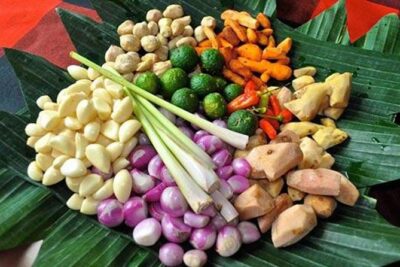
Balinese Cooking class with traditional morning market visit
Read our review →
PRIVATE Ubud Market Tour & Balinese Cooking Class with Putu
Read our review →Browse the lists this tour appears in