
Reviewed · UBUD BALINESE COOKING CLASSES
Afternoon Cooking Class & Making Bali Offering with Dinner
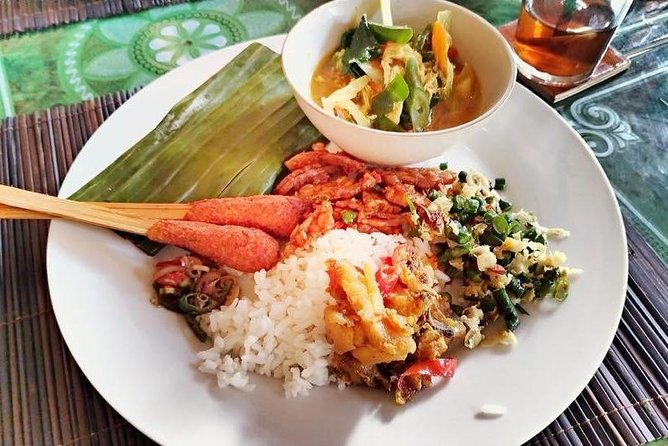
The best part of this Ubud experience is that you do more than watch a chef work. You make a Balinese canang offering, prepare the spice paste used in many local dishes, and cook up to nine recipes before sitting down to dinner at a family home. It is a practical way to connect food with daily Balinese culture.
I like the small maximum group of 12, which gives the class a more personal feel, and I like that the meal is not an afterthought: the food you prepare becomes your dinner. The cold ginger tea, mineral water, shared cooking, and recipe PDF also add useful touches.
There is one important catch. The afternoon class does not include the local market visit, despite the market being part of the morning program. Pickup is free only from central Ubud, and transport from outside the area costs extra if arranged ahead of time.
Key points at a glance
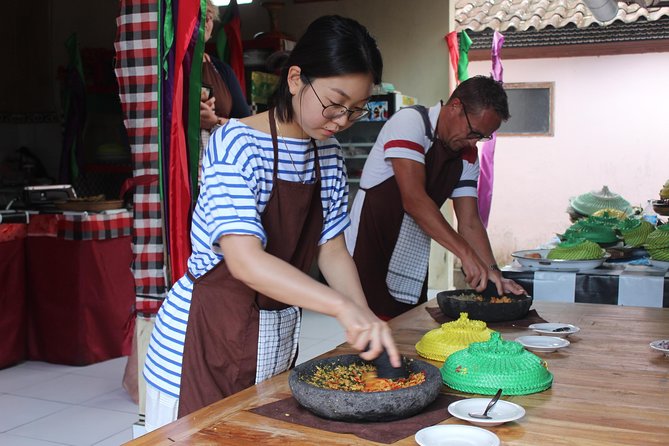
- Nine Balinese recipes: You prepare a large meal by working through the dishes one at a time.
- Culture beyond cooking: You make a canang, a traditional Balinese offering, before entering the kitchen.
- Family-home setting: The class takes place with a Balinese local family rather than in a large commercial school.
- Afternoon schedule: The experience starts at 2 pm and is designed to finish with dinner.
- Central Ubud pickup: Free pickup is offered in the Ubud center area, with extra charges outside that zone.
- Market visit limitation: The afternoon option does not include shopping at the local market.
Cooking nine dishes in a Balinese family home
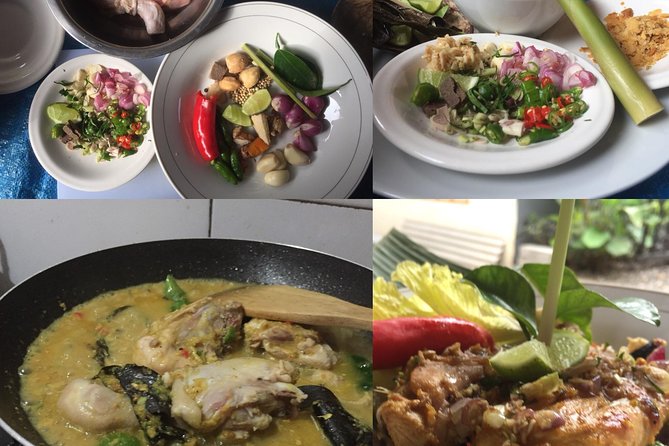
For $46, this is a generous food experience. You are not paying for one cooking demonstration followed by a small tasting plate. You work toward up to nine Balinese dishes, then eat them together as a full dinner.
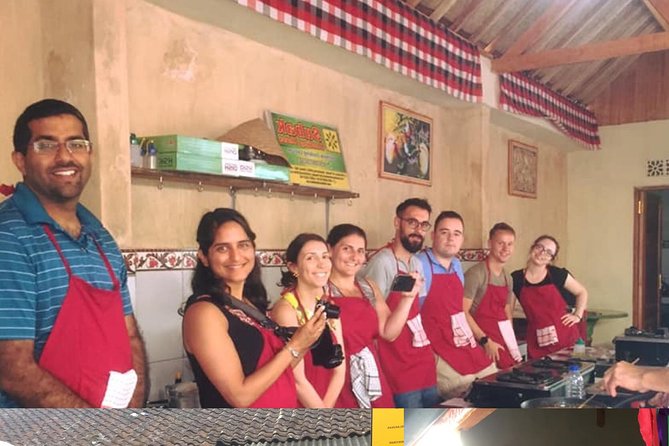
The class is hosted at a local family home through Wayan Aris. The family-run setting matters. You get a more direct look at how cooking and hospitality fit together in Bali, and the small group size should make it easier to follow the instructions and ask questions.
The chef is described as friendly, engaging, and good at keeping the class moving. That last point is useful because nine dishes can sound like a lot in five hours. Some preparation is done before you begin, including cutting vegetables and pre-cooking meat, so the class stays manageable rather than turning into a long wait between steps.
You will still handle the key work yourself. The focus is on learning the ingredients, building the spice base, preparing the recipes, and tasting what you make. If you want to take home a practical cooking skill rather than simply a pleasant meal, this format makes sense.
More Balinese cooking classes in Ubud:
- Ubud Cooking Class Bali with Balinese Chef
★ 5.0 · 1,609 reviews - PRIVATE Authentic Balinese Cooking Class in Ubud at Putu’s Home
★ 5.0 · 644 reviews - Balinese Ubud cooking school (9 Dish Cooking and Market Tour)
★ 5.0 · 540 reviews
A cultural start with a canang offering
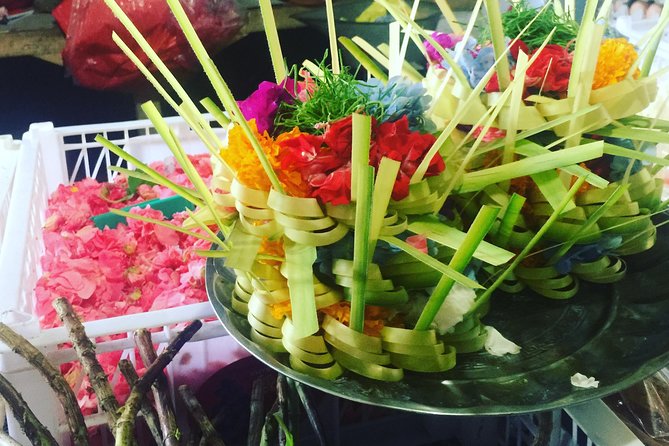
The experience begins with a welcome drink, specifically cold ginger tea, followed by making a Balinese canang offering. This gives the afternoon a cultural frame before the cooking starts.
A canang is a small Balinese offering used in daily religious practice. Here, you get to make one yourself rather than simply seeing finished offerings in a temple or on a roadside pavement. That hands-on introduction helps explain why small woven trays of flowers and other items appear so often around Bali.
The activity is not presented as a long lecture. It is part of the flow of the afternoon, which suits anyone who prefers learning through doing. If you are mainly interested in food, it does not take over the class. If you want more context about Balinese life, it gives the cooking session more meaning.
The spice paste that holds the meal together
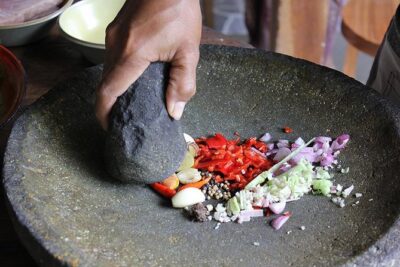
The central cooking lesson is the preparation of Balinese spice paste. This is an important detail, since the paste forms the base or sauce for many local dishes.
Rather than treating each recipe as a separate trick, the class shows you how one foundational mixture can support several dishes. That is the kind of information you can use later at home. You begin to see Balinese cooking as a process of building flavor from a shared base, not simply assembling unrelated recipes.
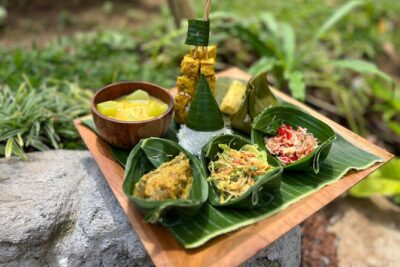
The exact menu is not provided, so you should not book this expecting a named list of dishes. You can expect up to nine local recipes, with the spice paste playing a major role. The class also gives you a PDF containing nine Balinese recipes, which adds value after the holiday. It is much easier to recreate the meal when the instructions are already organized for you.
How the afternoon schedule works
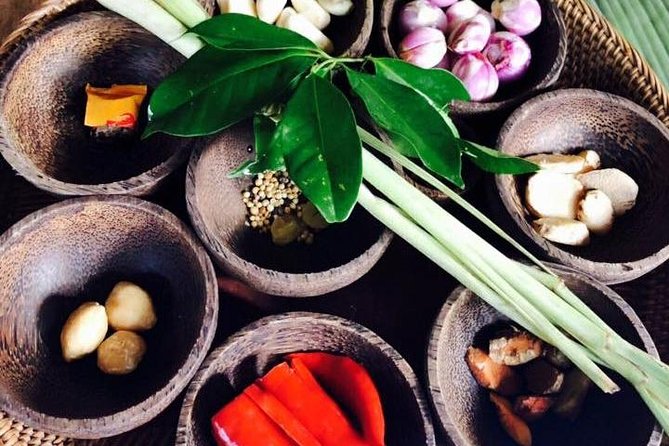
The afternoon session starts at 2 pm. Pickup is offered from hotels in central Ubud, and the listed meeting point is Ubud Palace on Jalan Raya Ubud. The activity is listed as ending back at the meeting point, while the tour details also describe return transport to your Ubud stay. Confirm the exact pickup and drop-off arrangement when you book, especially if you are not staying in central Ubud.
After pickup or meeting at Ubud Palace, you head to the family setting for the welcome drink and offering activity. The cooking follows, beginning with the spice paste and moving through the recipes. You then eat the food you prepared as dinner before returning.
The total duration is approximately five hours. Some descriptions refer to the cooking portion as about four hours, so plan your afternoon and evening around a half-day outing rather than a quick class. That timing works well if you want a relaxed dinner without booking another evening activity.
The class has a maximum of 12 participants. That is not a private lesson, but it is small enough to feel more involved than a large demonstration. If the group fills, you will still be sharing workstations and instructions, so expect a social class rather than one-on-one tuition.
More dinners and dining experiences in Ubud:
- Uluwatu Sunset, Kecak Dance, and Dinner Jimbaran Beach
★ 5.0 · 3,681 reviews - Spa at Flying Bamboo with Dining Included at Botanist
★ 5.0 · 204 reviews - Ubud: Dance Show + Dinner at Lost City – Story of Humanity
★ 4.5 · 94 reviews - Evening Cooking Class with Romantic Dinner in Ubud
★ 5.0 · 27 reviews
The missing market visit is important
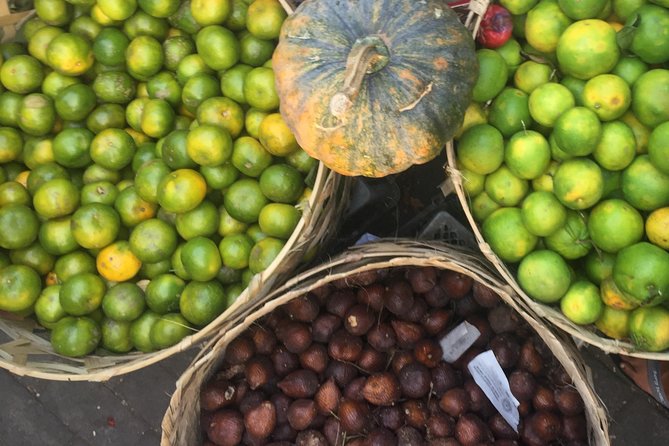
The morning version includes a trip to a local market to buy ingredients and learn about what goes into the recipes. The afternoon version does not include that stop.
This is the biggest difference to understand before booking. The market can be one of the most interesting parts of a food tour because it connects the finished dishes to real ingredients and local shopping. If that is your main reason for booking, choose the morning class if available.
The afternoon option still covers the ingredients during the cooking session, so you are not left without explanation. You learn about the spice paste and the components used in the recipes. But you will not have the same market experience, and you should not assume that the listed market itinerary applies to the 2 pm departure.
One account of the afternoon class specifically noted missing the market because of an itinerary conflict, while still finding the cooking experience worthwhile. That is a fair way to view it: the afternoon program is a strong cooking class, but not the complete market-and-cooking program.
Dinner is part of the lesson, not just a reward
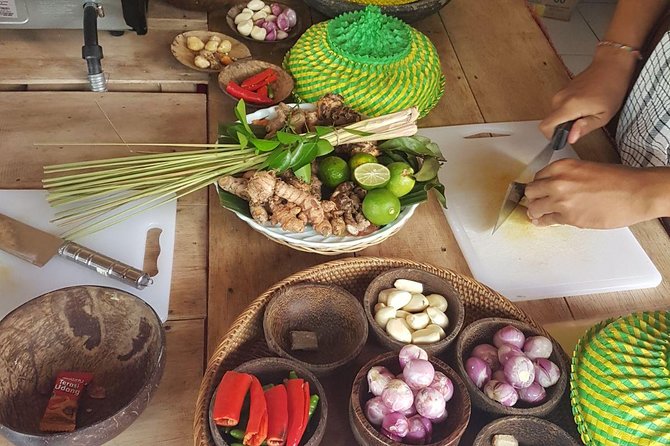
After preparing the dishes, you sit down at the Balinese house and eat the meal together. This is one of the strongest features of the experience. You can taste the results while the methods and ingredients are still fresh in your mind.
You may also sample food during the cooking process. That gives you a chance to adjust your understanding of the flavors as you go, instead of waiting until the end to discover whether everything worked.
The meal is described as large, with up to nine dishes prepared by the group. Because some ingredients are prepared in advance, you are not spending all five hours on repetitive chopping or waiting for meat to cook. The tradeoff is that you may not perform every single step from start to finish. If you want a fully independent kitchen lesson, ask how much preparation is done before arrival.
One especially useful detail is that some participants were able to take food home. This is not presented as a guaranteed part of every booking, so bring that up with the host if leftovers matter to you. Either way, you should expect a substantial dinner rather than a small sample.
What the price includes, and where costs can rise
At $46, the price is reasonable if you value the combination of instruction, dinner, cultural activity, drinks, and transport within central Ubud. You are also getting a recipe PDF and the chance to prepare a broad range of dishes, not just one signature plate.
The value is strongest for people who would otherwise pay separately for dinner and a cultural activity. The meal alone is not the whole point, but it helps make the class feel worthwhile.
Transport is the main extra-cost issue. Free pickup is offered in central Ubud. If you stay outside Ubud, you must request pickup in advance and pay an additional charge. Do not assume the provider will automatically arrange it. The instructions specifically say that outside-Ubud pickup is not arranged without a request.
You should also bring some cash. It may be needed for additional transport charges or purchases. The activity itself includes bottled or mineral water, so you do not need to plan for drinks during the class.
Who will enjoy this class most
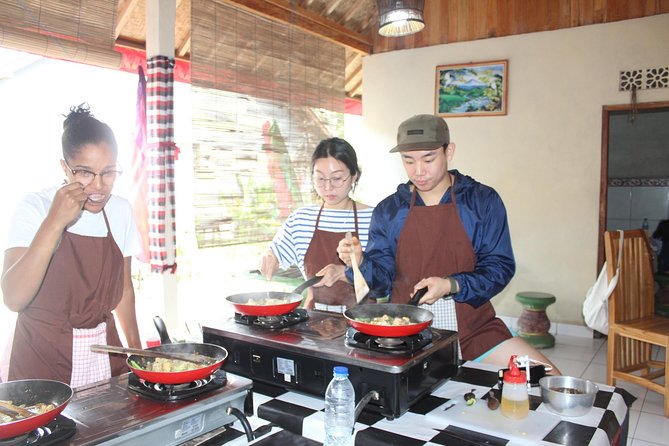
I would choose this for you if food is one of the main ways you like to understand a place. You get to cook, eat, meet a local family, and take home recipes that can keep the experience going after Bali.
It is also a good fit for couples and small groups. The shared work and final dinner give you plenty of time to talk with people from different countries, and the class has enough structure to keep the afternoon moving.
Families may enjoy it too, though the supplied information does not specify a minimum age or special child arrangements. If you are booking with children, confirm age requirements directly.
This is less suitable if you want a market tour above all else. It is also not the right choice if you prefer a private chef lesson or a completely unstructured food outing. The group can include up to 12 people, and the instructor keeps everyone working through the dishes together.
Practical details before you book
You receive confirmation at booking in most cases. If you book within two days of the experience, confirmation may take up to 48 hours and remains subject to availability.
The meeting point is Ubud Palace, F7V7+72R, Jl. Raya Ubud No. 8, Ubud. The experience is near public transportation, but central Ubud pickup is the simpler choice if your accommodation falls within the free pickup area.
The class offers free cancellation up to 24 hours before the local start time for a full refund. Cancellations or changes made within 24 hours are not refunded or accepted, so check your plans before the cutoff.
The provider is Wayan Aris. The chef’s individual name is not specified, so do not expect to select a particular instructor when booking.
Should you book the afternoon class?
Book it if you want a warm, hands-on introduction to Balinese food with a proper dinner at the end. The strongest reasons are the family-home setting, the nine-recipe format, the spice-paste lesson, and the chance to make a canang offering rather than simply watch a demonstration.
Choose the morning option instead if the local market is essential to your plans. For the afternoon class, think of the market as a separate feature that is not included.
For $46, this is a good-value half-day experience for anyone who wants to cook, eat, and learn something practical. Confirm the pickup zone, ask about the exact menu, and remember that some preparation is done in advance. If those limits suit you, this is an easy way to turn dinner into the most useful meal of your Ubud stay.
FAQ
What time does the afternoon cooking class start?
The class starts at 2 pm.
How long does the experience last?
The experience lasts approximately five hours.
How many dishes will I cook?
You will learn to prepare up to nine Balinese dishes.
Is the local market visit included?
No. The afternoon class does not include the market visit. The market stop is associated with the morning program.
Where does the activity meet?
The listed meeting point is Ubud Palace, F7V7+72R, Jl. Raya Ubud No. 8, Ubud, Bali.
Is hotel pickup included?
Free pickup is offered from the Ubud center area. Pickup from outside Ubud requires an advance request and an additional charge.
Is dinner included?
Yes. Dinner is included, and you eat the food prepared during the class at the Balinese family home.
What is the cancellation policy?
You can cancel at least 24 hours before the local start time for a full refund. Cancellations or changes made less than 24 hours before the start time are not accepted and are not refunded.
More craft workshops in Ubud
- Ubud Silver Class Jewelry making in bali
★ 5.0 · 978 reviews - Balinese Farm Cooking Class by Pemulan Bali
★ 5.0 · 410 reviews - Ubud Monkey Forest Silver Class – Craft Your Own Silver Jewelry
★ 5.0 · 254 reviews - Balinese Authentic Cooking Class in Ubud
★ 5.0 · 239 reviews
Newly added Ubud trips
- authentic Balinese organic cooking class in Ubud★ 5.0 · 4 reviews
- Farm-to-Table Balinese Cooking Experience★ 4.0 · 3 reviews
- Sunrise Jeep Tour Mount Batur Kintamani Bali★ 5.0 · 24 reviews
- coconut wine and coffee safary tour★ 5.0 · 16 reviews
- Nungnung Waterfall,Jatiluwih Heritage UNESCO and Bedugul Tour★ 5.0 · 5 reviews
- Bali Amazing Cycling Tour★ 5.0 · 4 reviews
- Authentic Balinese Cooking Class with Jewelry Making Class★ 5.0 · 3 reviews
- Bali Rural Village Bike★ 5.0 · 10 reviews
Ubud Balinese Cooking Classes, compared.
PRIVATE Authentic Balinese Cooking Class in Ubud at Putu’s Home
Read our review →
PRIVATE Balinese Cooking Class in Ubud with Dewa with Transfers
Read our review →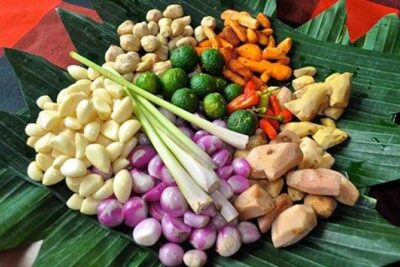
Balinese Cooking class with traditional morning market visit
Read our review →
PRIVATE Ubud Market Tour & Balinese Cooking Class with Putu
Read our review →Browse the lists this tour appears in