
Reviewed · UBUD BALINESE COOKING CLASSES
Bali Ubud Paon Cooking Class
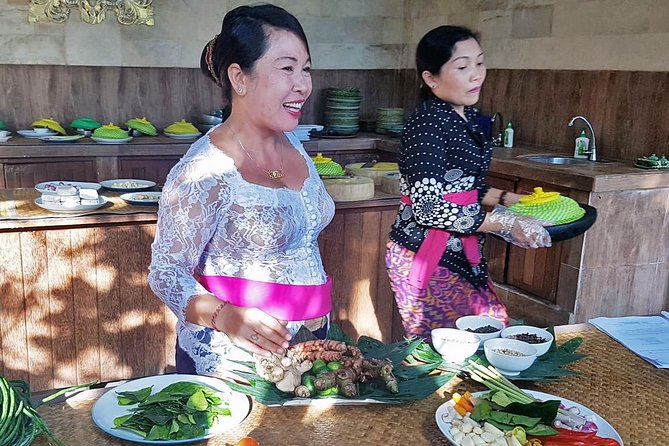
Ubud’s Paon Bali cooking class begins with food, not sightseeing. On the morning session, you visit a traditional market, study the local spices and produce, then carry that knowledge into a hands-on class at a Balinese home. The result is a useful, tasty look at how everyday Balinese dishes come together. I especially like the market visit and the chance to cook several dishes yourself rather than simply watch a chef work.
The class also gets two practical details right: hotel transfers within Ubud are included, and lunch is the food you have prepared. The small-group format, capped at 15 people, keeps the lesson social without turning it into a large demonstration. The main caution is timing: afternoon sessions do not include the market, and pickup outside Ubud costs extra.
Key points
- Morning market visit: See local ingredients and spices before cooking with them.
- Hands-on cooking: Prepare dishes such as banana-leaf fish and minced chicken satay.
- Traditional setting: The class takes place at a Balinese home with a dedicated cooking area.
- Useful takeaway: Recipes are provided, and you may be able to receive them through WhatsApp.
- Simple transport: Hotel pickup and return are included within the Ubud area.
- Good value for food lovers: About five hours includes transport, instruction, lunch, and a certificate.
Why this Ubud cooking class works
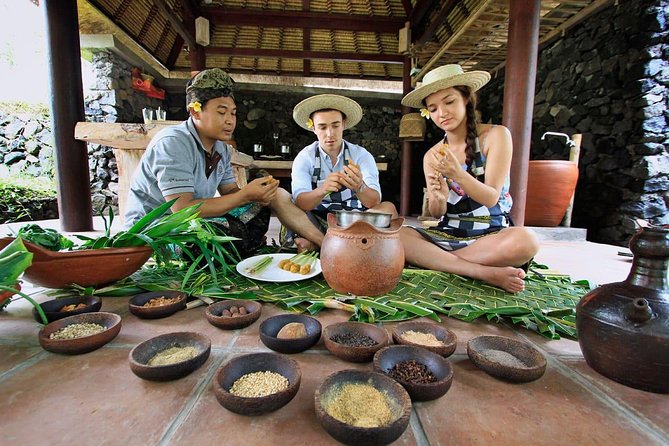
A cooking class can be a thin tourist activity, with a chef doing most of the work while you take photographs. Paon Bali aims for something more useful. You learn what the ingredients are, how they are prepared, and how the finished dishes fit into a Balinese meal.
The class is recommended for people who have already enjoyed Balinese food and want to make something similar at home. It also suits first-time visitors who want a cultural activity with a clear result: you shop, cook, eat, and leave with recipes and a certificate.
The setting adds to the appeal. Rather than staying in a hotel kitchen, you are taken to a traditional Balinese home with a cooking area arranged for instruction. One account describes the room as having forest views, which gives the meal a more personal sense of place than a standard restaurant kitchen.
The class lasts about five hours, so it takes a solid half-day. That sounds long on paper, but the market, transport, cooking, and lunch give the time a clear rhythm. You are not expected to spend five straight hours standing over a cutting board.
More Balinese cooking classes in Ubud:
- Ubud Cooking Class Bali with Balinese Chef
★ 5.0 · 1,609 reviews - PRIVATE Authentic Balinese Cooking Class in Ubud at Putu’s Home
★ 5.0 · 644 reviews - Balinese Ubud cooking school (9 Dish Cooking and Market Tour)
★ 5.0 · 540 reviews
Stop one: Ubud Traditional Art Market
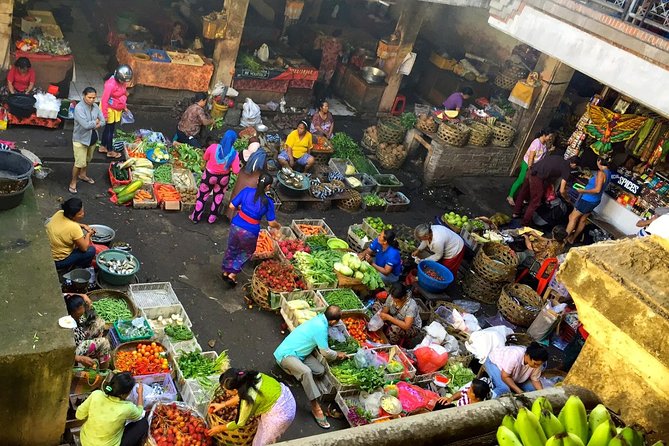
The morning session starts at a traditional market in Ubud. This is the part I would choose if you have the option. You see the raw materials before they are turned into neat portions for the cooking lesson, and that helps explain why Balinese food tastes as it does.
Your guide introduces local produce, fruit, herbs, and spices, along with ways they are used in Indonesian cooking. The market visit is not just a shopping stop. It gives you a quick lesson in the ingredients that can be hard to identify once they are ground, mixed, or cooked.
You may also find spices that are difficult to buy at home. One useful detail is that some people purchase spices during the visit, especially when they want to recreate the recipes later. Check your own country’s food import rules before carrying anything home, since those rules are not covered by the tour information.
The market is also the best choice for understanding daily food culture in Ubud. You are looking at ingredients used in ordinary cooking, not only at dishes prepared for visitors. That makes this short stop more valuable than a simple market photo opportunity.
The key limitation is that the market visit belongs to the morning session only. If you choose an afternoon class, your driver takes you from the hotel to the cooking location, but you skip the market. An afternoon class may suit your schedule better, yet it removes the part of the experience that connects the food to local shopping.
Stop two: Cooking at a Balinese home
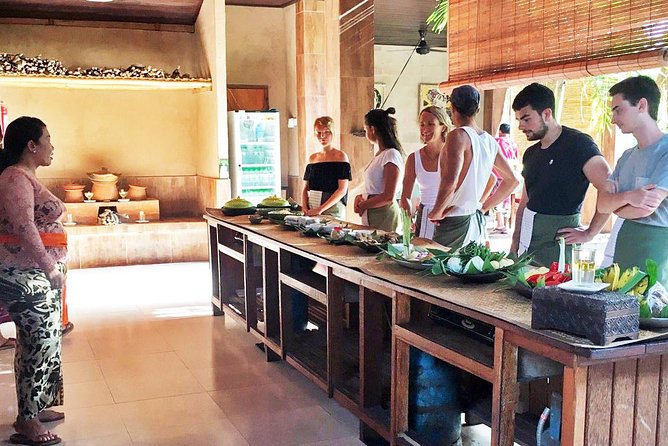
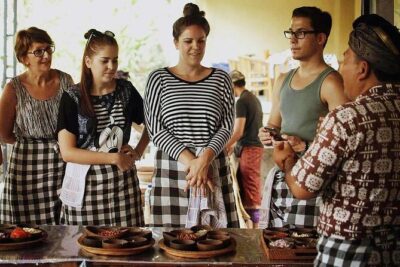
After the market, transport takes you to the Paon Bali cooking class. The class is held at a traditional Balinese home, and the kitchen is set up so you can participate in the preparation.
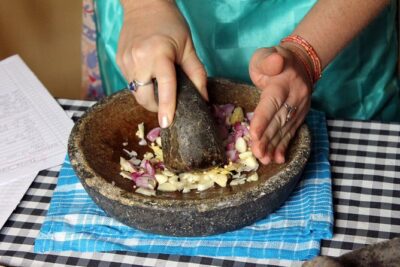
The instruction is designed for ordinary home cooks. The chef explains the purpose of the ingredients and walks you through the steps. You should expect demonstrations followed by opportunities to prepare parts of the meal yourself, rather than a lecture followed by a plate placed in front of you.
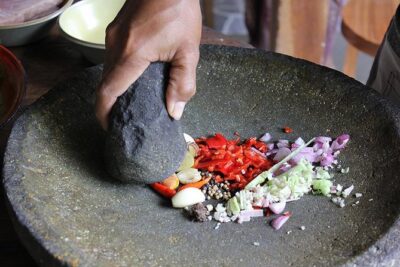
That hands-on approach matters. Balinese cooking often depends on the balance of spices, aromatics, and texture. Seeing a finished spice mixture is less useful than learning how it is made and where it belongs in the dish. The class also gives you a chance to ask questions as the food takes shape.
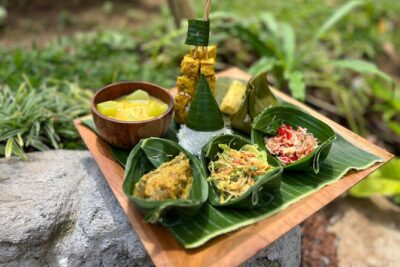
The menu includes dishes such as banana-leaf fish and minced chicken satay. These are good teaching choices because they show different cooking methods and presentations. The banana leaf gives the fish a distinctive local style, while the satay lets you work with seasoned minced chicken and skewers.
The exact menu should be confirmed when you book, since the supplied details name examples rather than a complete fixed menu. The important point is that you prepare several authentic Indonesian dishes, not just one recipe.
The class has enough support staff to keep the process moving. That is useful in a group setting, where different people may be working at different speeds. The maximum group size is 15, so you should not expect a private lesson, but the group remains small enough for a structured class.
From chopping board to lunch table
Lunch is built into the experience, and this is one of its strongest features. You sit down to eat the dishes you helped prepare, which gives the cooking lesson a clear payoff.
The meal also lets you judge your own work. You can taste how the spices came together and notice which parts you would change when cooking at home. That is more helpful than receiving a printed recipe without knowing what the finished dish should taste like.
The food is repeatedly described as delicious, but the practical value is just as important. You are learning a meal you can try to repeat, not simply sampling a restaurant dish. Recipes are included, and you may also have the option of receiving them through WhatsApp.
The social side works well for couples, families, solo visitors, and mixed groups. The class brings together people from different countries, and the shared work gives you an easy reason to talk. You do not need to arrive as a skilled cook. The instruction is meant to make the steps manageable.
Families should note that the class has also been used as a family activity, including groups with adult children. It is not presented as a separate children’s program, so parents should judge the format based on their children’s interest in cooking and the five-hour duration.
A completely different kind of day out from Ubud:
- All-Inclusive Ubud Private Tour
★ 5.0 · 14,344 reviews - Best of Ubud Full-Day Tour with Jungle Swing
★ 5.0 · 8,571 reviews - Ubud: Monkey Forest, Jungle Swing, Rice Terrace, and Water Temple
★ 5.0 · 7,160 reviews - Best of Ubud 1-Day Private Tour
★ 5.0 · 4,451 reviews
What the $44 price really covers
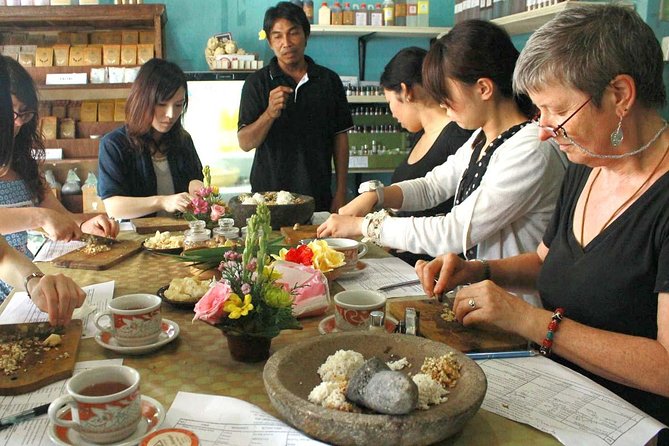
At about $44 per person, the price is fair for a five-hour activity that includes hotel transfers within Ubud, the morning market visit, cooking instruction, lunch, and a certificate. You are paying for more than a meal. The transport and guided market stop add time and convenience that would be difficult to arrange as neatly on your own.
The value is strongest if you choose the morning option. You receive the full market-to-kitchen sequence, which gives the day more depth. An afternoon class still includes transport, instruction, and lunch, but the missing market visit makes the price harder to compare with the full morning program.
Group discounts may be available, which can help families or friends booking together. The group limit is 15 people, a useful middle ground. A private class is not promised, but the group should be more manageable than a large culinary demonstration.
Hotel transfer is included only within the Ubud area. If your hotel is outside Ubud, expect an additional charge for pickup and drop-off. The experience also offers a mobile ticket, which is convenient when you are moving around Bali with your phone rather than carrying printed documents.
Tips are not included. The supplied information refers to manner tips, which appears to mean gratuities, so carry some local cash if you want to thank the cooking team. Personal travel insurance and anything outside the stated inclusions are also your responsibility.
Morning or afternoon: choose carefully
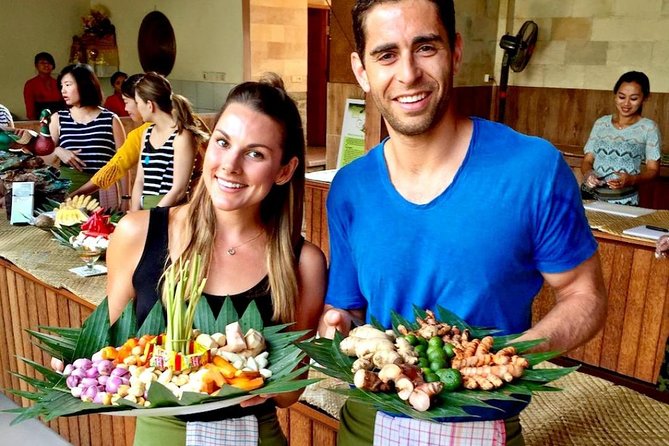
Pick the morning session if the market is one of your reasons for booking. You get the traditional market, then the cooking class and lunch. This option gives you the clearest link between local ingredients and the dishes on your plate.
Pick the afternoon session if your morning is already occupied or you prefer a slower start. You still receive hotel transport within Ubud, the class, lunch, and the chance to cook in the Balinese home. Just do not assume the market is part of the afternoon schedule.
The class takes about five hours, so leave room in your day. Pickup and return times will affect the total time you are away from your hotel, especially if you are staying in a spread-out part of Ubud. Confirmation is sent within 48 hours of booking, subject to availability, so do not build a tightly timed connection around it until your booking is confirmed.
The experience is near public transportation, and service animals are allowed. No other mobility details are provided, so if you have specific access needs, contact the provider before booking rather than guessing from the general description.
The strongest parts of the experience
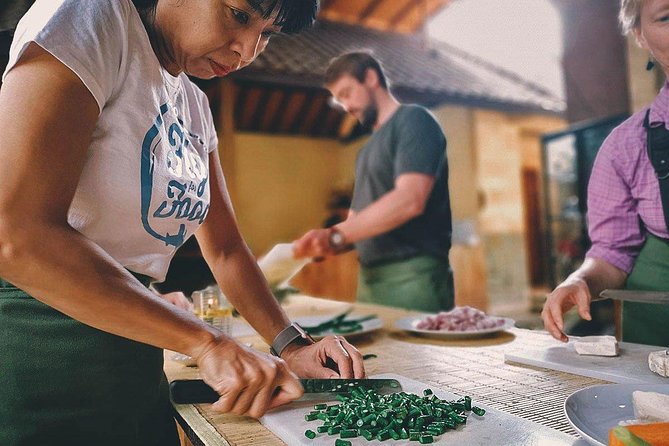
The best feature is the connection between the market and the kitchen. You first see the ingredients in their local setting, then learn how to use them. That simple order makes the lesson easier to remember.
The second strength is participation. You are not just watching a chef cook. You help prepare the food, follow the steps, and then eat the result. People who cook at home will get the most from this format because the techniques can be repeated.
The third strength is the setting. Cooking at a Balinese home gives the class a personal feel. The space is arranged for teaching, so you get structure without losing the sense that you are being welcomed into someone’s home.
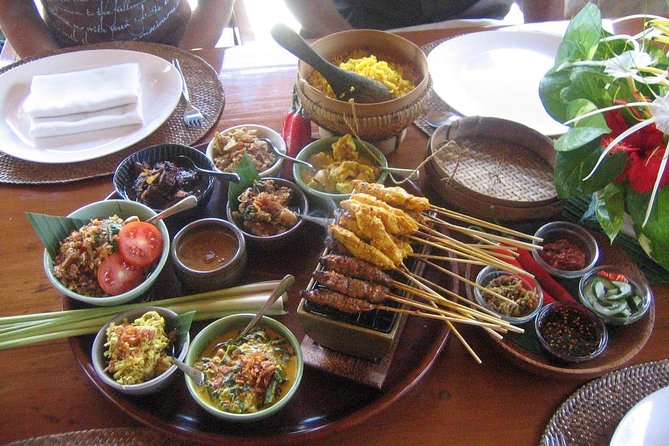
The food itself gets the praise it deserves. Dishes such as banana-leaf fish and minced chicken satay offer enough variety to keep the meal interesting. The recipes and optional WhatsApp delivery also make the experience more useful after you return home.
The class is well suited to visitors who want a cultural activity that is active but not physically demanding. You spend time moving between the market and cooking space, preparing food, and sitting down for lunch. You are not signing up for a strenuous excursion.
Small drawbacks to keep in mind
The non-refundable policy is strict. Once you book, you cannot cancel or change the experience for a refund, even if your plans shift. I would book only after your Ubud schedule and hotel are settled.
The afternoon option is less complete because it excludes the market. This is not necessarily a problem, but it is easy to overlook when comparing times.
The group can reach 15 people. That is still a reasonable class size, but you should not expect every moment of instruction to be private. If you want one-to-one coaching, ask whether a private arrangement is available, since the standard experience does not promise one.
Pickup is limited to Ubud. Visitors staying elsewhere can request transport for an extra charge, but the price and arrangement are not specified. Factor that into your budget before booking.
Finally, a cooking class is not the best choice if you dislike group activities or have no interest in preparing food. The point is participation, so you get more from it if you are ready to chop, mix, season, and taste.
Who should book Paon Bali?
I would recommend it to couples, families, friends, and solo visitors who want a practical introduction to Balinese cuisine. It is especially good for home cooks, since the recipes and hands-on work give you a realistic chance of repeating the dishes later.
The morning class is the better choice for first-time visitors who want more context. You see the ingredients at the market, learn how they are used, and then cook them in a traditional setting.
The afternoon class works for anyone with a packed morning or a preference for a simpler schedule. You still get the core cooking experience, but you should book it for the kitchen lesson rather than for the market.
At $44, the experience offers good value when you use the included transfer, market visit, lunch, and instruction. If you are staying outside Ubud and need an extra pickup fee, compare the total cost with similar classes before paying.
Should you book this cooking class?
Book Paon Bali if you want to do more than eat Balinese food. The market visit, traditional home setting, hands-on instruction, and shared lunch create a well-rounded half-day.
Choose the morning session if possible, especially if this is your first visit to Bali. The afternoon class remains worthwhile, but the market is the detail that gives the experience its strongest local connection.
Skip it if your schedule is uncertain, since the booking cannot be refunded or changed. Otherwise, this is a sound choice for learning several dishes, meeting other people over a shared meal, and bringing a useful piece of Balinese food culture home with you.
FAQ
How long does the Paon Bali cooking class last?
The experience lasts about five hours, including the market visit for the morning session, transport, cooking instruction, and lunch.
Is hotel pickup included?
Hotel pickup and drop-off are included for hotels within the Ubud area. Pickup outside Ubud is available for an additional charge.
Does every session include the market visit?
No. The traditional market visit is included only with the morning session. Afternoon participants go directly to the cooking class location after hotel pickup.
What dishes will I cook?
The class includes dishes such as banana-leaf fish and minced chicken satay. The supplied information does not provide a complete fixed menu.
Is lunch included?
Yes. Lunch is included, and you eat the dishes prepared during the class.
What is the maximum group size?
The activity allows a maximum of 15 people.
Are recipes provided?
Recipes are included. You may also have the option of receiving them through WhatsApp.
Is the class suitable for service animals?
Yes. Service animals are allowed.
Can I cancel or change my booking?
No. The experience is non-refundable and cannot be changed for any reason.
More craft workshops in Ubud
- Ubud Silver Class Jewelry making in bali
★ 5.0 · 978 reviews - Ubud Monkey Forest Silver Class – Craft Your Own Silver Jewelry
★ 5.0 · 254 reviews - Canggu Scooter Lessons
★ 5.0 · 195 reviews - Crafting Heritage Batik Painting Workshops
★ 5.0 · 164 reviews
Newly added Ubud trips
- authentic Balinese organic cooking class in Ubud★ 5.0 · 4 reviews
- Farm-to-Table Balinese Cooking Experience★ 4.0 · 3 reviews
- Sunrise Jeep Tour Mount Batur Kintamani Bali★ 5.0 · 24 reviews
- coconut wine and coffee safary tour★ 5.0 · 16 reviews
- Nungnung Waterfall,Jatiluwih Heritage UNESCO and Bedugul Tour★ 5.0 · 5 reviews
- Bali Amazing Cycling Tour★ 5.0 · 4 reviews
- Authentic Balinese Cooking Class with Jewelry Making Class★ 5.0 · 3 reviews
- Bali Rural Village Bike★ 5.0 · 10 reviews
Ubud Balinese Cooking Classes, compared.
PRIVATE Authentic Balinese Cooking Class in Ubud at Putu’s Home
Read our review →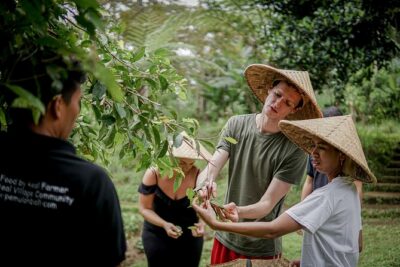
PRIVATE Balinese Cooking Class in Ubud with Dewa with Transfers
Read our review →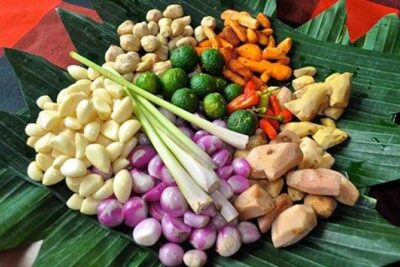
Balinese Cooking class with traditional morning market visit
Read our review →
PRIVATE Ubud Market Tour & Balinese Cooking Class with Putu
Read our review →Browse the lists this tour appears in